



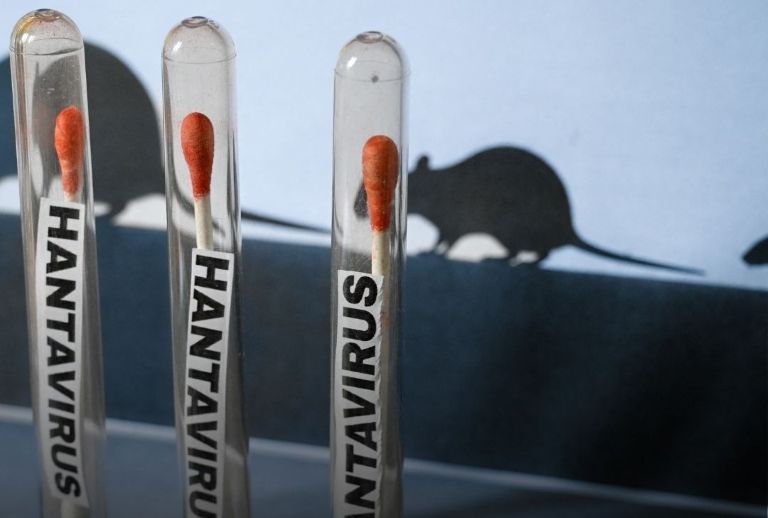
The World Health Organization has confirmed a deadly Hantavirus outbreak linked to the MV Hondius cruise ship. This has triggered a global health alert as passengers from 23 countries dispersed before the infection was discovered.
As of May 4, 2026, the outbreak has recorded seven confirmed cases and three deaths.
This specific situation involves the Andes strain, which is uniquely capable of rare human-to-human transmission.
In response, the Nigeria Centre for Disease Control and Prevention is facing calls to heighten surveillance. Nigeria’s significant rodent population and busy international travel hubs make the country a high-risk zone for potential importation.
Medical experts are concerned because Hantavirus pulmonary syndrome has a high fatality rate. In 2025, the Americas reported a case fatality rate of 25.7% across eight countries.
The Global Surge And Nigeria’s Vulnerability
The threat is not limited to the high seas. Germany saw 55 cases in early 2025, which was double the previous year’s figures. Meanwhile, China continues to report up to 15,000 cases annually.
Nigeria remains a “perfect storm” for this virus due to widespread rodent infestations in markets and homes. Hantavirus typically spreads when humans breathe in air contaminated with the urine, droppings, or saliva of infected rats.
Currently, there is no licensed vaccine or specific antiviral treatment for the disease. Early supportive care in an Intensive Care Unit (ICU) is the only way to improve survival chances for infected patients.
Because many Nigerian communities lack access to advanced ICU facilities, prevention is the primary defense. Health officials are looking at ways to strengthen local pest management and laboratory diagnostic capacity.
Proactive National Defense and Public Safety
The government is considering the establishment of a Hantavirus Task Force. This body would coordinate a national response strategy to prevent the virus from nesting in local rodent populations.
“This is not about rhetoric; it is about results,” health advocates argue, mirroring the urgency seen in other global health crises. Public campaigns will soon focus on safe cleaning practices for areas where rodents live.
People are advised to avoid dry sweeping or vacuuming rodent droppings, as this can stir up dangerous dust. Instead, wet cleaning methods with disinfectants are recommended to neutralize the virus safely.
Furthermore, border health officers at major airports are receiving briefings on symptoms. These include fever and severe muscle aches, which can quickly progress to acute respiratory distress.
Strengthening our disease surveillance systems is now a matter of national security. Without these checks, a cluster could spread for weeks before being detected by authorities.

 WhatsApp Channel
 Telegram Channel