


Nearly three out of every four adults living with diabetes in Africa are unaware they have the condition, according to the World Health Organization (WHO).
The agency warns that millions are at risk of severe complications and premature death as a result.
Dr Mohamed Janabi, WHO Regional Director for Africa, raised the alarm ahead of World Diabetes Day 2026, marked on November 14.
The theme this year is “Early Action on Diabetes.”
An estimated 24.6 million adults aged 20 to 79 were living with diabetes in the African Region in 2024, according to the International Diabetes Federation (IDF).
That figure could rise to 59.5 million by 2050 if urgent action is not taken .
Africa has the highest proportion of undiagnosed diabetes cases globally.
Many patients only discover their condition after developing serious complications, including kidney failure, blindness, cardiovascular diseases and lower-limb amputations.
Warning Signs and Action
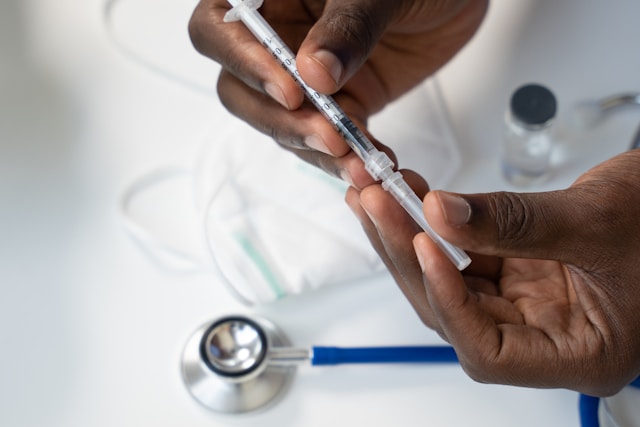
Janabi urged Africans to watch for warning signs such as increased thirst, frequent urination, unexplained weight loss, persistent tiredness and blurred vision.
He advised people experiencing these symptoms to seek medical testing promptly.
He also encouraged those at increased risk to undergo regular screening even when they show no obvious symptoms.
Communities should promote accurate information about diabetes, challenge stigma and support people living with the condition.
Addressing healthcare workers, Janabi stressed the importance of recognising symptoms early, providing timely testing and ensuring compassionate, patient-centred treatment.
WHO Support for Countries
The WHO is supporting African countries to improve diabetes services through initiatives including the Package of Essential Noncommunicable Disease Interventions (WHO PEN), HEARTS, HEARTS-D and the PEN-Plus regional strategy.
Janabi commended Rwanda for achieving nationwide district-level coverage of PEN-Plus.
However, significant gaps remain in access to trained health workers, diagnostic services, essential medicines and continuous care.
The WHO called on African governments to prioritise diabetes prevention, early diagnosis and treatment within primary healthcare systems.
It also urged investment in public awareness, affordable insulin, essential medicines and trained healthcare personnel.
“Know the symptoms. Do not ignore the warning signs. Seek testing and care early. Encourage others to do the same,” Janabi said.