




Sir Keir Starmer has formally resigned as the United Kingdom’s prime minister, telling the country “my work is done” as he handed power to his successor, Andy Burnham, after two years in office.
Starmer delivered his farewell address outside 10 Downing Street on Monday, reflecting on his time in government.
“I go with good grace, I go with a smile and I go proud of everything that we have achieved,” he said.
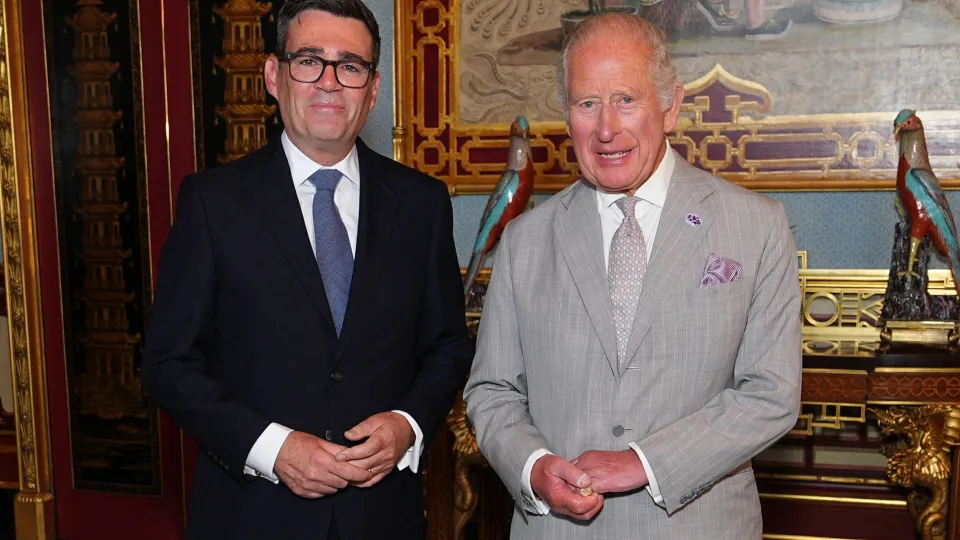
He then travelled to Buckingham Palace, where he formally tendered his resignation to King Charles III.
Confirming the handover, Buckingham Palace said in a statement that Starmer “had an audience of The King this morning and tendered his resignation as Prime Minister and First Lord of the Treasury, which His Majesty was graciously pleased to accept.”
Burnham, who was elected Labour leader on Friday, was then received by the King and invited to form a government, officially becoming the country’s new prime minister.
Starmer’s resignation follows months of falling approval ratings and mounting pressure from his own Labour lawmakers over the economy and immigration policy.
How Burnham Reached Downing Street
Under Britain’s parliamentary system, a governing party can replace its leader, and therefore the prime minister, without a general election, as long as the new leader can command a majority in the House of Commons.
Burnham, the former mayor of Greater Manchester, stepped down from that role in June to contest a by-election in Makerfield, winning the seat and entering the House of Commons before securing the Labour leadership.
He arrived at Buckingham Palace with his wife, Marie-France van Heel, before meeting the King in the ceremony known as “kissing hands,” the moment a new prime minister is formally appointed.
Among the first changes in government, prisons minister Lord Timpson resigned earlier on Monday as Burnham prepared to reshape his administration.
Starmer’s Record And Burnham’s Next Steps
Starmer cited what he called key achievements of his two years in office, including improvements to the economy, shorter NHS waiting times, falling immigration levels and a stronger international standing for Britain.
“Our economy is stronger. Our public services are on the up, with the biggest fall in waiting times for 17 years. Children are being lifted out of poverty every single day. Immigration is down significantly. Our defence and security are on a far stronger footing and our international reputation is greatly enhanced,” Starmer said.
He also called on Britons to remain confident in the country’s future, praising the public’s “resolve, grit, decency and compassion” and voicing hope that every child in Britain could have the opportunity to succeed.
Burnham is expected to deliver his first address to the nation from Downing Street, where he will acknowledge becoming the UK’s seventh prime minister in a decade and call for a return to “stable and responsible” politics.
He is also expected to announce his new Cabinet and unveil a series of policy initiatives in the coming days.

 WhatsApp Channel
 Telegram Channel