
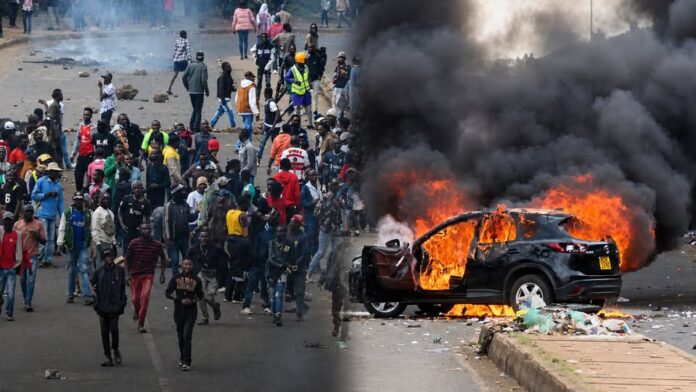
Protests erupted across Kenya on Monday, May 18, after the Energy and Petroleum Regulatory Authority raised fuel prices by up to 23.5%.
This followed a 24.2% increase just last month, both driven by global supply disruptions linked to the ongoing war in Iran.
The Transport Sector Alliance announced that vehicles affiliated with its member associations would stop operating from midnight.
The strike left commuters stranded nationwide, forcing many to walk long distances to work. Roads into Nairobi were blocked by striking operators, while scattered groups of protesters lit tyres to cut access to key routes.
Police responded with tear gas in several areas, worsening congestion and leaving thousands stuck.
In Mombasa, Kenya’s main port city, the strike raised fears of supply-chain delays. The disruption threatened the movement of goods through the country’s busiest gateway, sparking concern among traders and logistics operators.
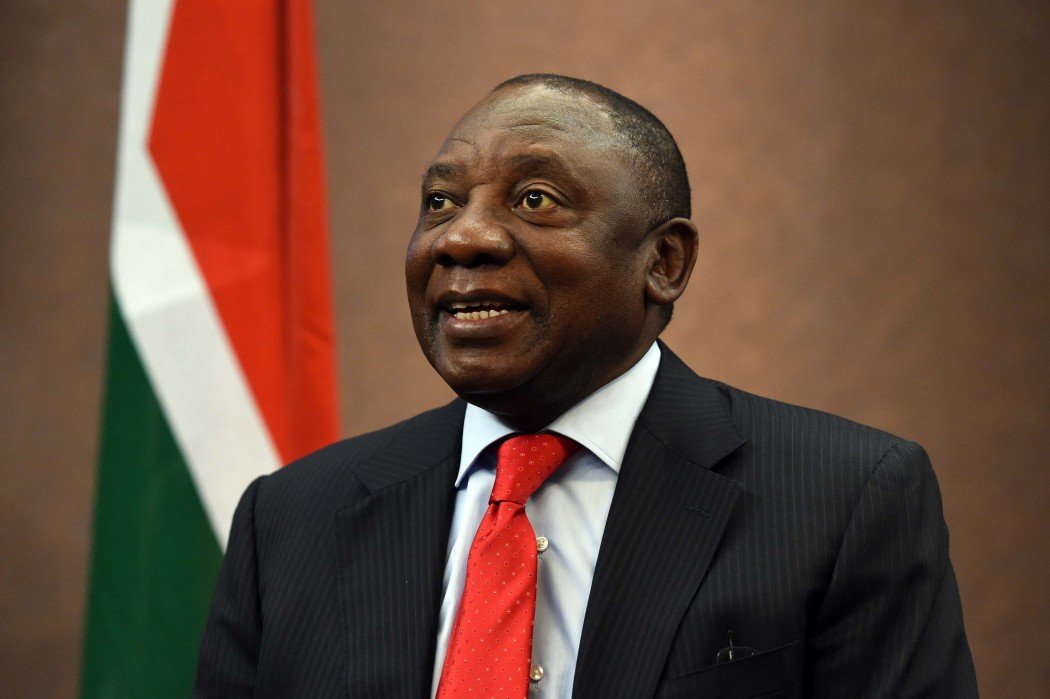
Finance Minister John Mbadi told Citizen TV that the government hoped to meet transport operators later in the day, stressing that current fuel prices were already subsidised.
Rising Costs And Public Anger
Kenya imports nearly all its fuel from the Middle East through government-to-government deals with Gulf suppliers. The latest hike has sharply raised transport fares and food costs, deepening household struggles.
Families already burdened by inflation now face higher daily expenses, with transport operators doubling fares in some areas.
Public relations worker Gabriel Odhiambo, 24, said his transport costs had doubled. He added that four tomatoes now cost 60 shillings (50 U.S. cents), a threefold increase compared to earlier this year.
His experience reflects the wider frustration of many Kenyans who say the rising cost of living is becoming unbearable.
Kenyan comedian and activist Eric Omondi joined the protests in Nairobi, carrying empty cans to symbolise the burden of rising fuel costs. His action drew attention to the plight of ordinary citizens, amplifying calls for government intervention.
Meanwhile, small businesses reported declining sales as customers cut back on spending due to higher transport and food prices.
New Pump Prices And Government Response
The regulator raised the pump price of super petrol in Nairobi to 214.25 shillings ($1.66) per litre from 206.97.
Diesel rose to 242.92 shillings from 196.63, while kerosene remained at 152.78 shillings. These increases are part of the May 15–June 14 pricing cycle.
The government has defended the hikes, saying they reflect global market realities and the impact of the Iran war on oil supply chains. Officials argue that subsidies are already in place to cushion consumers, but many Kenyans insist the relief is inadequate.
As protests spread, security agencies maintained a heavy presence in major towns to prevent escalation.
Transport operators warned that unless fuel prices are reviewed, strikes could continue, paralysing movement across the country.