



The Independent Petroleum Marketers Association of Nigeria (IPMAN) and the Petroleum Products Retail Outlets Association of Nigeria (PETROAN) have rejected calls for the reinstatement of petrol subsidy, insisting that Nigeria should instead prioritise reviving its refineries and critical petroleum infrastructure.
IPMAN spokesperson Chinedu Ukadike and PETROAN National President Billy Gillis-Harry set out their positions in separate interviews with another online media, DAILY POST, on Monday, responding to renewed calls by former Vice President Atiku Abubakar for the return of fuel subsidy.
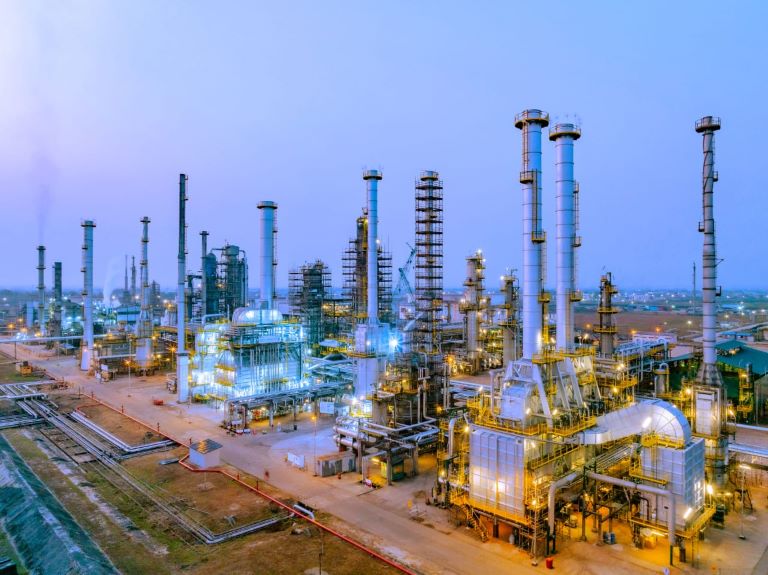
Ukadike argued that restoring Nigeria’s refineries in Port Harcourt, Warri and Kaduna would boost competition in the downstream petroleum sector and help stabilise petrol prices.
He said the central challenge facing the sector is not whether subsidy is removed or restored, but the failure to fully restore the country’s refining capacity, pipelines and petroleum depots.
“The issue before this President is the restoration of all the refineries that are working in Nigeria. The restoration and revival of all the pipelines. The restoration and revival of the 21 depots in Nigeria,” he said, adding that a fully functional domestic refining system would increase competition, reduce fuel price volatility and lower Nigeria’s dependence on imported petroleum products and foreign exchange.
Gillis-Harry Calls Old Subsidy Regime A “Loss Of Opportunity”
Gillis-Harry took a firmer stance against subsidy restoration, arguing that advocates of its return were ignoring the economic consequences of the policy under previous administrations.
He described the former subsidy regime as “a stark loss of opportunity” for Nigeria, alleging that the country borrowed nearly ₦2 trillion to finance subsidy instead of directing the funds towards infrastructure, economic development and human capital.
He said President Bola Tinubu was therefore right to announce the removal of subsidy on May 29, 2023.
“We were borrowing nearly ₦2 trillion to pay subsidy, not to develop Nigeria, not to develop human capacity, not to do anything, prior to the President’s arrival on the 29th of May, 2023,” Gillis-Harry said.
PETROAN Challenges Atiku To Explain Financing Plan
Gillis-Harry questioned why any political leader would now push for restoring a policy that featured prominently in the 2023 presidential campaign.
He challenged proponents of cheaper petrol to explain how government would finance a proposed reduction in pump prices to ₦500 per litre without returning to borrowing or another form of subsidy, and questioned the economic basis for subsidising crude oil production, arguing that the cost of producing crude remains a genuine economic cost that must be accounted for.
He also challenged Atiku Abubakar to explain what was achieved during his own tenure in government, and called on those advocating subsidy restoration to provide detailed economic calculations showing what should be subsidised and how such a policy would be financed
Both petroleum sector stakeholders ultimately pointed to increased domestic refining and improved petroleum infrastructure as more sustainable answers to Nigeria’s fuel-price challenges.
Their positions come amid a renewed national debate over the impact of subsidy removal on ordinary Nigerians, with proponents of reinstatement arguing that lower petrol prices would ease the cost-of-living crisis, while opponents maintain that subsidy could place fresh pressure on government finances and reverse ongoing market changes.


Ok, so why was the subsidy funds not diverted into fixing those pipes? We had enough to service loans, each state received a significant amount, why not divert some to that sector?
I understand Mr Atiku, on the accounts that subsidy was the only direct advantage the masses enjoyed from oil. Taking it off was like setting a fire in a gas enclosure, especially with nothing to cushion it’s effects.
You can say the economy is growing, fine what about your Human Development Index? Your people?