




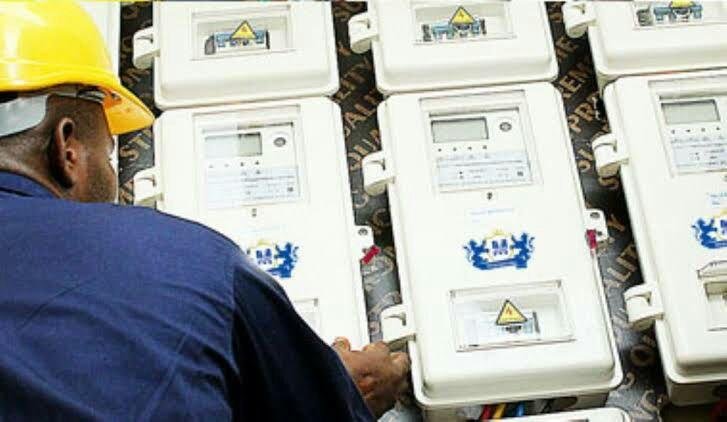
Nigeria has installed 668,000 prepaid electricity meters nationwide, marking progress under Phase 1 of the $500 million World Bank‑financed Distribution Sector Recovery Programme (DISREP).
The initiative, coordinated by the Bureau of Public Enterprises (BPE) and supported by the Presidential Metering Initiative (PMI), aims to close the metering gap and eliminate estimated billing for electricity customers.
The figures were disclosed during the second meeting of the National Council on Privatisation (NCP) in 2026, chaired by Vice President Kashim Shettima at the Presidential Villa, Abuja.
BPE Director‑General Ayodeji Ariyo Gbeleyi said: “We have implemented 60 per cent of the meters that have been delivered in the country out of 1,033,000. So far, we have deployed and installed 668,000 meters on customers’ premises.”
Electricity Act Implementation
The meeting also reviewed progress on the Electricity Act, which allows states to establish their own electricity regulatory commissions. Since April 2024, about 17 states have created commissions, including Akwa Ibom in July 2026.
Officials said fine‑tuning is needed to harmonise federal and state positions, with the Attorney General, Minister of Power, and other stakeholders tasked to propose amendments.
Minister of Power Joseph Tegbe confirmed that the NCP is working to ensure Nigerians benefit from reforms in electricity and other critical sectors.
“We are working concertedly and in a very collaborative manner to ensure that we give value, either in electricity or in telecoms — whichever area — to make sure that Nigerians benefit from this government,” Tegbe said.
The prepaid meter rollout is expected to continue under DISREP, with the government promising transparency and efficiency in implementation. Officials say the reforms will reduce disputes over billing and strengthen consumer confidence in Nigeria’s electricity sector.

 WhatsApp Channel
 Telegram Channel