





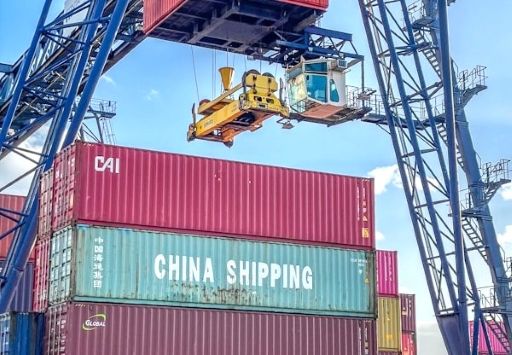
China has begun implementing a zero-tariff policy for imports from 53 African countries with which it maintains diplomatic relations.
The policy officially takes effect on Friday and will run until April 30, 2028.
It is designed to boost African exports into the Chinese market while deepening economic cooperation between both regions.
The arrangement is part of broader trade commitments under the Forum on China-Africa Cooperation (FOCAC) framework.
Meanwhile, China said the initiative also supports Africa’s industrial growth and long-term development agenda.
The Forum on China-Africa Cooperation has long served as a platform for trade and diplomatic engagement between both sides.
China Expands Market Access For African Exports
Under the new policy, African exporters will enjoy duty-free access to the Chinese market across multiple product categories.
These include agricultural goods, minerals, and manufactured products from participating African countries, including Nigeria.
China said the policy also covers improvements in customs clearance, inspection, and quarantine procedures.
It added that the goal is to simplify trade processes and support higher export volumes from Africa.
Meanwhile, African exports to China remain largely dominated by crude oil, metals, and raw materials.
The policy is also expected to improve technical cooperation, skills transfer, and industrial training across partner countries.
In a symbolic early shipment, 24 tonnes of apples from South Africa successfully cleared customs in Shenzhen.
This marked one of the first consignments to benefit from the expanded zero-tariff arrangement.
China’s foreign ministry had earlier said the policy aligns with its long-term cooperation strategy with Africa.
FOCAC Framework And Long-Term Cooperation Goals
The zero-tariff initiative was previously announced in June 2025 under the Changsha declaration.
It reflects China’s commitment to deepen trade ties and support Africa’s economic transformation agenda.
Beijing said it will also align the policy with the African Union’s Agenda 2063, which focuses on industrialisation and sustainable growth.
Chinese authorities described the arrangement as part of a wider effort to strengthen South-South cooperation.
Foreign Minister Wang Yi earlier confirmed that the policy is intended to improve long-term diplomatic and economic relations.
The initiative also comes at a time when global trade competition is intensifying, especially around resource-rich regions.
For many African exporters, the deal opens new opportunities to expand market reach beyond traditional trade partners.
However, there are questions about how effectively African countries can scale production to meet Chinese market demand.
With implementation now underway, attention will shift to how individual countries leverage the opportunity for export growth.

 WhatsApp Channel
 Telegram Channel