



Nigeria’s deep inequality continues to benefit a privileged few while leaving most citizens trapped in poverty, Oxfam in Nigeria has warned.
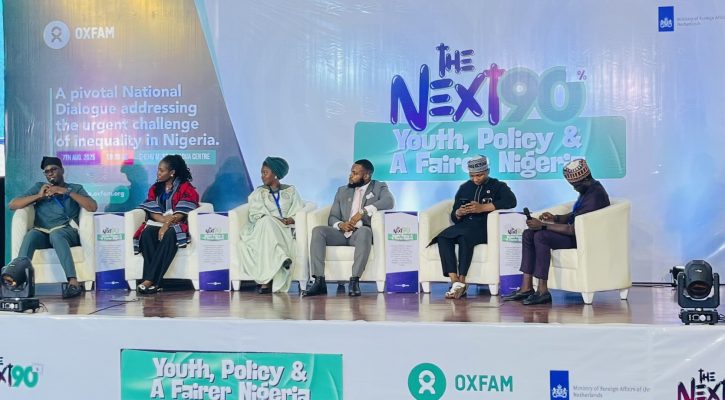
The organisation’s Country Director, John Makina, spoke in Abuja on Thursday at a high-level dialogue themed ‘The Next 90%: Youth, Policy & A Fairer Nigeria’.
The event gathered lawmakers, diplomats, government ministries, civil society leaders, and youth advocates.
Makina said the exclusion of young people from political leadership is a sign of the problem. “There is currently no one under 35 in the federal cabinet,” he noted.
A Country Where the Few Own Almost Everything
“The reality is that the top 10 percent controls an overwhelming 90 percent of our country’s resources, and over 83 million Nigerians live on less than ₦3,100 ($2) a day,” Makina stated.
He explained that this means poor access to schools, healthcare, and other essentials. “More than two-thirds of teenage girls in northern Nigeria cannot read or write,” he added.
Makina also pointed out that women, despite working hard in agriculture, own only 13% of Nigeria’s farmland. Female literacy is at 35%, compared to 59.5% for men.
Youth and Women Still Shut Out
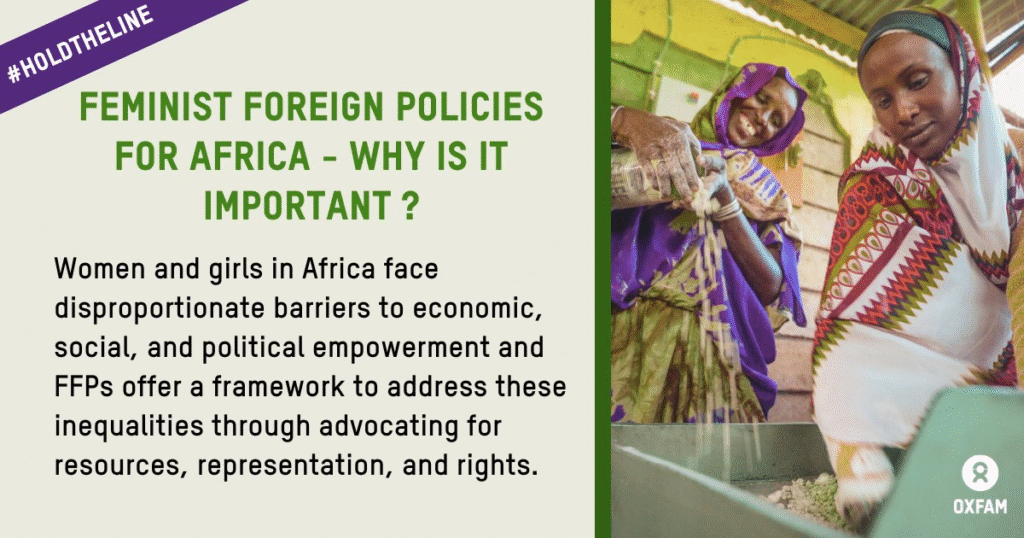
Oxfam says only 4.2% of elected officials in the National Assembly are women. This gender gap, Makina argued, limits Nigeria’s social and economic progress.
He called for the inclusion of young people in governance, describing it as a “strategic choice for our nation’s future, our economy, and our peace”.
According to him, inequality in Nigeria is not natural but “a consequence of deliberate actions and inactions by policymakers and vested interests”.
Policy Changes That Could Make a Difference
Makina revealed that in 2024, Nigeria lost over ₦5 trillion in tax incentives granted to large corporations. This was 18.5% of that year’s federal budget.
He urged a new era of public action — strengthening public services, regulating corporations, breaking up monopolies, and introducing wealth and excess profit taxes (IMF).
He called for progressive labour policies that increase the national minimum wage in line with the cost of living. “Sixty-five percent of Nigeria’s workforce operates in the informal economy,” he said, stressing the need to formalise businesses for better access to credit, training, and social protection.
Reducing vulnerable employment — which affects 55% of Nigerian youths — is also key, he added. This, he said, can be achieved by supporting small and medium enterprises with simpler registration, tax relief, skills training, and affordable credit.
“We must break up monopolies that stifle competition, job creation, and innovation to promote economic growth and reduce poverty, ultimately creating well-paying jobs for Nigerian youths,” Makina concluded.
Should Nigeria’s leaders commit to wealth taxes and stricter corporate regulation to close the gap between the rich and poor?
Rate, Like 👍, Comment💬, share this article, Follow us on our social media handles, and Submit your own story to get featured and earn rewards!

 WhatsApp Channel
 Telegram Channel