





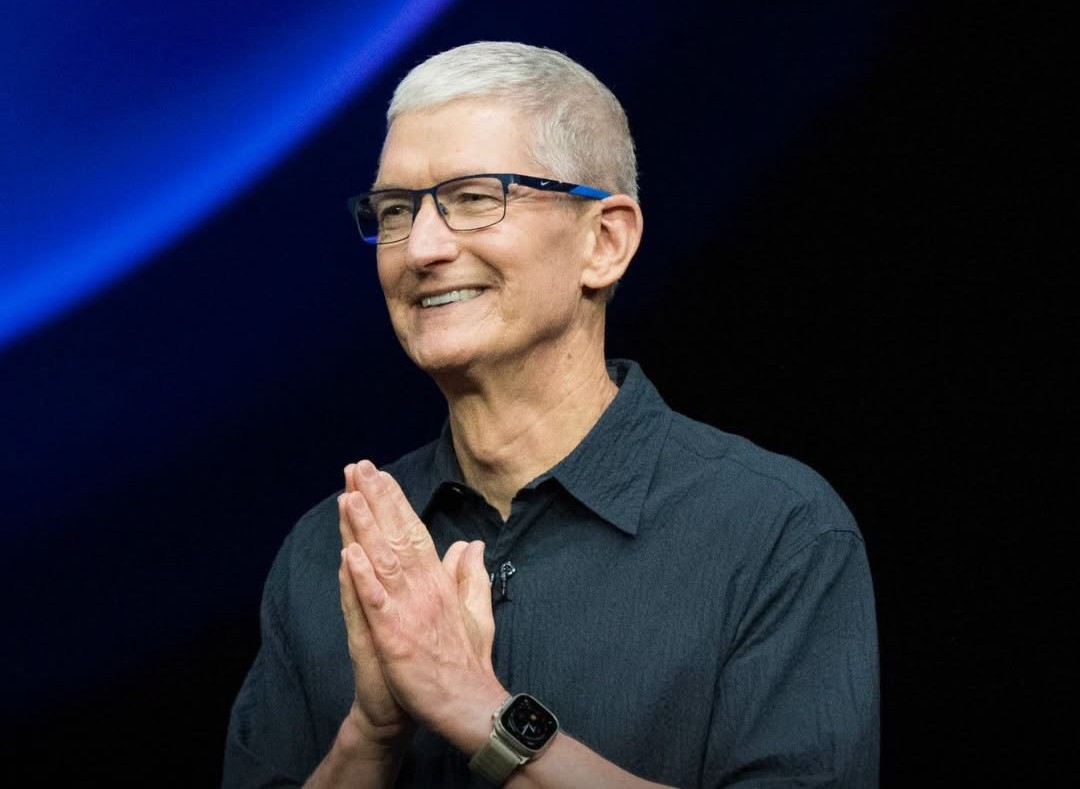
Apple has confirmed that Tim Cook will leave his role as Chief Executive Officer, ending a 15-year tenure that reshaped the company’s operations and global reach.
Cook will transition into the role of executive chairman from September 1, while John Ternus, Apple’s senior vice president of hardware engineering, will succeed him as CEO.
Cook joined Apple in March 1998 as senior vice president for worldwide operations during a major restructuring.
He focused on efficiency rather than design, closing factories and shifting production to contract manufacturers. This reduced inventory from months to days.
His team also secured critical components like flash memory before demand surged, ensuring Apple’s dominance in devices such as the iPod Nano, iPhone, and iPad.
Cook later became chief operating officer, handling day-to-day management during Steve Jobs’ medical leave.
When Jobs resigned in 2011, Cook was appointed CEO. By then, he had already spent over a decade shaping Apple’s operations and strategy.
Unlike Jobs’ product-focused style, Cook emphasised execution, collaboration, and organisational structure. He also expanded Apple’s charitable and environmental initiatives.
Management Style and Impact
Cook’s leadership was evident in 2012 when Apple reorganised senior responsibilities after problems with Apple Maps.
He positioned himself as the executive overseeing a vast global organisation, balancing product development with supply chains, personnel, and execution.
His influence was often less visible in product launches but central to the systems and structures supporting Apple’s growth.
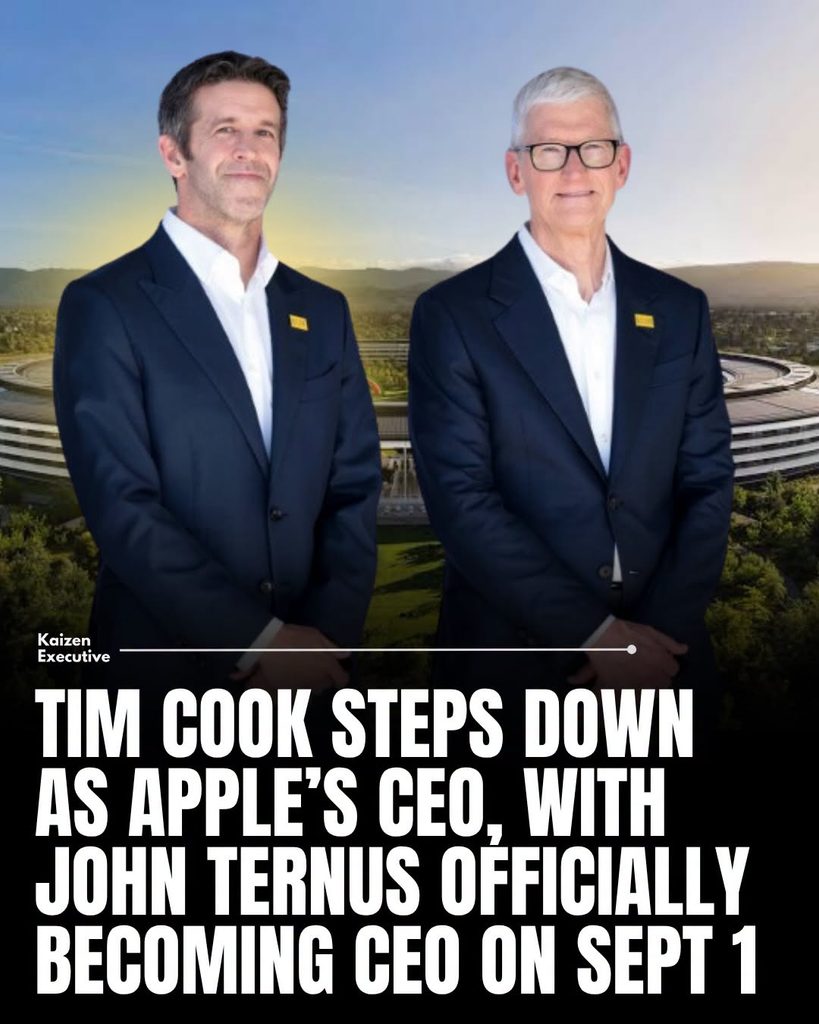
Cook’s departure marks a carefully planned leadership transfer.
John Ternus, who has led Apple’s hardware engineering, will take over as CEO. Cook will remain as executive chairman, ensuring continuity.
For Cook, it closes a journey that began in operations in 1998 and ended at the top of the company.
He leaves behind a legacy of efficiency, stability, and global expansion, having guided Apple through one of its most transformative eras.

 WhatsApp Channel
 Telegram Channel