





Fifty-nine years after hundreds were killed in Asaba, the Federal Government is preparing to formally acknowledge the massacre. A reconciliation declaration is coming.
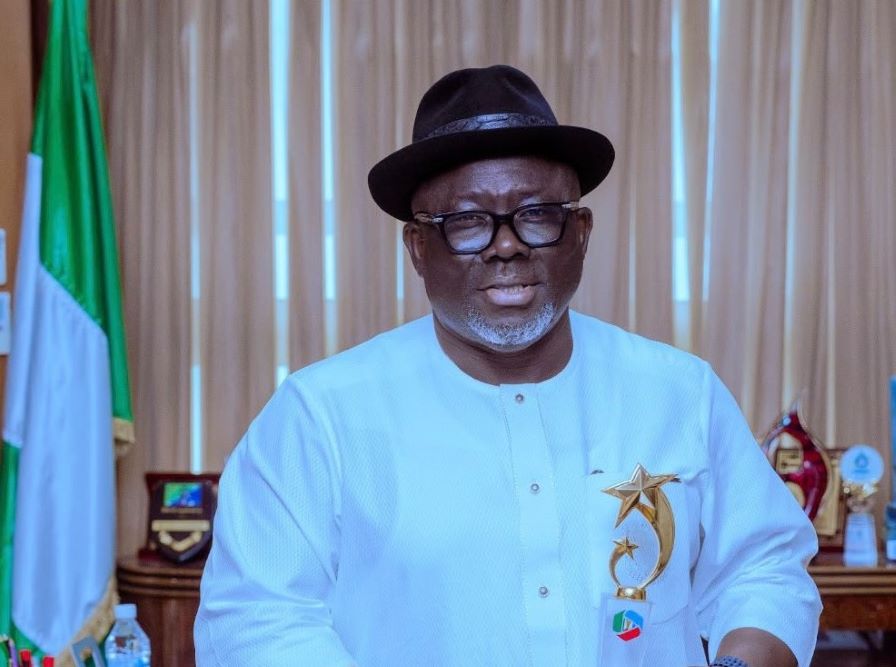
Delta State Governor Sheriff Oborevwori disclosed this on Wednesday at the anniversary memorial in Asaba. He was represented by the Secretary to the State Government, Dr Kingsley Emu.
The 1967 Asaba Massacre occurred during the Nigerian Civil War. Hundreds of civilians were killed in the city. The victims included men and boys targeted after federal troops entered the area.
Oborevwori said official acknowledgement by governments is critical to reconciliation. He said Delta State had acknowledged the tragedy. He said Nigeria would also acknowledge it.
“An official acknowledgement by the respective governments is critical. Delta State has acknowledged the tragedy. Nigeria will acknowledge it, and we believe the world will also acknowledge it,” he said.
“A formal reconciliation declaration will be made by the Nigerian government, and we are hopeful that this will happen.”
The governor said the state would back national recognition of the massacre. He also supported a national memorial. He stressed that remembering the tragedy should not be seen as an attack on Nigeria.
“Never again should ethnicity, suspicion or political conflict become a licence for the killing of innocent people,” Oborevwori said. “Do not inherit its bitterness; inherit its lessons.”
Azinge: No Closure Without Presidential Apology
The Asagba of Asaba, Prof Epiphany Azinge, said the community had forgiven but not forgotten. He said a sitting President must publicly apologise before the tragedy can be fully laid to rest.
“We have moved on,” he said. “There will be no closure and no healing until a sitting President of Nigeria publicly apologises to the Asaba people.”
Maj-Gen Ahmed Ibrahim Taiwo (retd.), son of the late Maj Ibrahim Taiwo, also apologised. His father was the Army officer who reportedly ordered the massacre.
He said he researched his father’s role before making the gesture.
“I cannot change what happened, but I believe and pray that this gesture can be a step towards reconciliation,” he said.
Former President Olusegun Obasanjo sent a recorded message. He called the massacre “one of the most painful and disturbing aspects of the Nigerian Civil War.” He said he wept after reviewing documents about the killings.
“Never again will such a black and unpleasant day occur in Nigeria or anywhere else in Africa,” Obasanjo said.
Calls For Truth, Justice And A Memorial Centre
Chief Chuks Nduka-Eze, Isama Ajie of Asaba and convener of the memorial, said the central message was that “Nigerian lives matter.” He questioned why the country had not fully explained the killing of civilians.
The Obi of Onitsha, Igwe Nnaemeka Achebe, called for truth, justice, restoration and healing. He said forgiveness should follow.
“There must be truth. There must be justice, and there must be healing. And then, forgiveness can follow,” he said.
Emu said the state is proposing a memorial centre. It would preserve the names, testimonies and records of the victims for future generations.
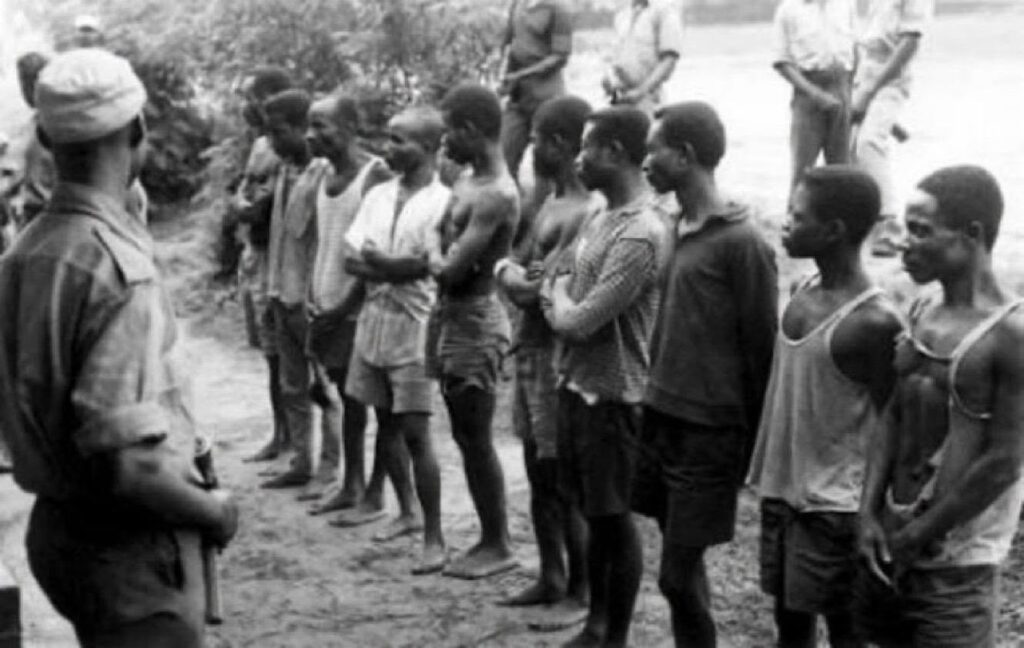
“We have survivors, and we have testimonies. We have names, even if they may not yet be exhaustive,” he said.
He said Asaba had endured the consequences of the tragedy and emerged stronger. Reconciliation, he said, is about forgiveness, not revenge.
The Asaba Massacre remains one of the least documented atrocities of the civil war. For decades, survivors and families pressed for recognition.
The proposed declaration would be a significant step. But for many in Asaba and neigbhouring communities, the continuing geopolitical tensions in Nigeria and complaints of regional neglect could leave such event a difficult wound to heal.
Who Is Col. Ibrahim Taiwo
Colonel Ibrahim Taiwo was later to become the Military Governor of Kwara State from July 1975 to February 1976 during the military regime of General Murtala Mohammed.
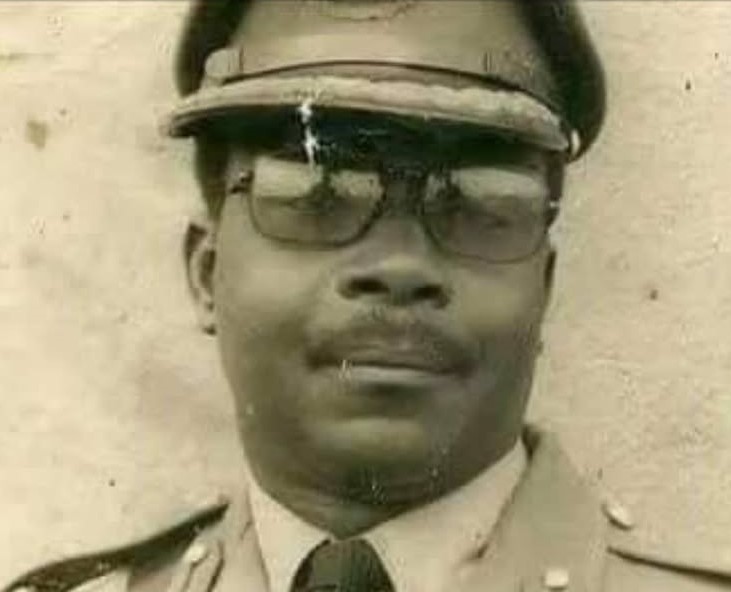
He assisted in the establishment of the University of Ilorin, which was founded by decree in August 1975.
He played a central role in the coup that ousted Yakubu Gowon and brought Murtala Muhammed to power, under cover of his Supply and Transport duties in the army, working closely with Lieutenant-Colonel Muhammadu Buhari.
Taiwo was murdered on Friday, February 13, 1976, following the failed Buka Dimka coup in which Head of State General Murtala Muhammed was also killed. He was 36.
The Ibrahim Taiwo Road in Kano is named after him, suggesting he is a celebrated figure for sections of Nigeria.

 WhatsApp Channel
 Telegram Channel


Chai, it is really such a tragedy, people slaughtered and up till years to now, acknowledgment is being offered.
Only if acknowledgment equalled the return of lives.