



The Igbo Agenda Dialogue (IAD) has urged the Igbo people to review their strategy for pursuing self-determination in Nigeria, arguing that active participation in the 2027 general election, rather than continued agitation alone, offers a more effective path to securing the release of detained Indigenous People of Biafra (IPOB) leader Nnamdi Kanu.
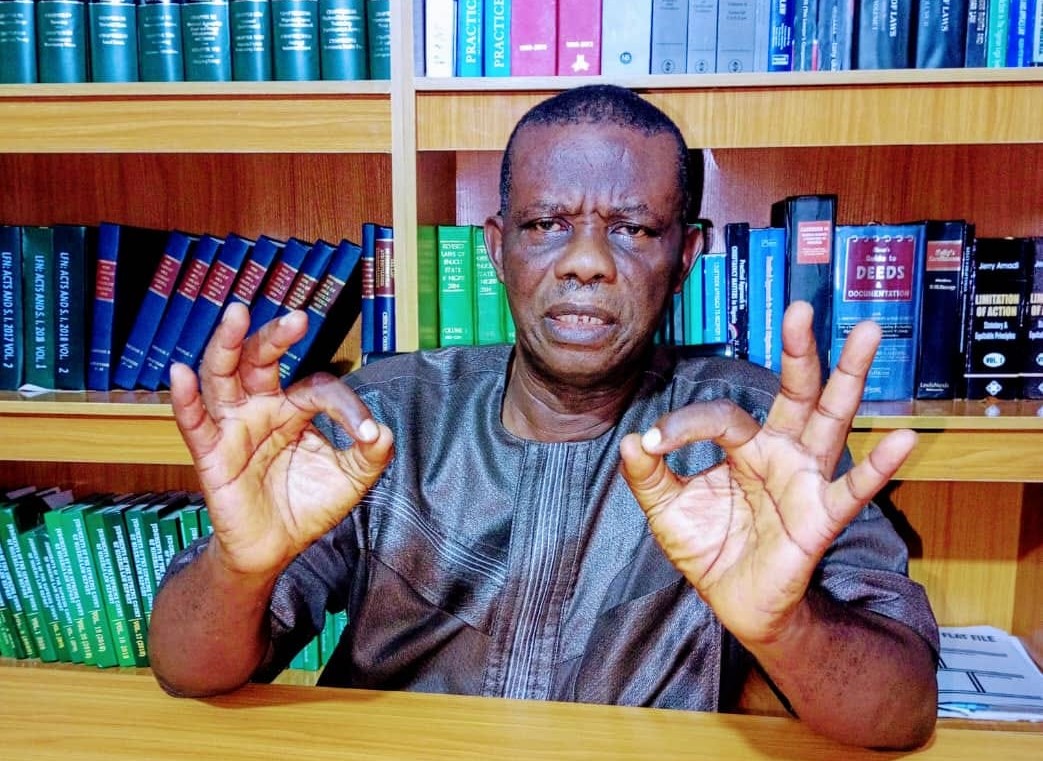
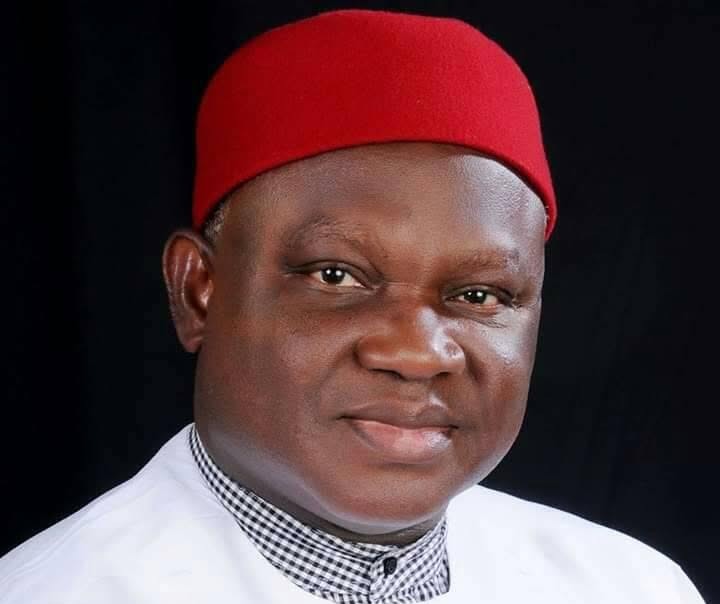
The appeal came in a statement titled “Special Appeal To All Freedom Fighters And Biafran Agitators,” issued Tuesday by the pioneer national chairman of the All Progressives Grand Alliance (APGA), Chief Chekwas Okorie.
Kanu is serving a life jail term in Sokoto prisons in relation to his activities at the head of the separatist group advocating for an independent Biafran state in south-eastern Nigeria.
Why The Group Says Numbers Matter
Okorie argued that the Igbo population and geographic spread across Nigeria represent a potent, underused political asset.
“There’s no state in Nigeria that the Igbo people cannot muster at least twenty-five percent of the voting population,” he said, adding that Igbo people constitute the second-largest population by ethnicity in 31 states and the FCT, and make up the vast majority of the population within the South-East geopolitical zone.
“In the Nigerian democracy, population and spread are the most potent force for political power and relevance. When effectively deployed, we’ll regain our respect in Nigeria and secure what is due to us in the Federation without firing a shot,” he said.
Okorie called on Igbo people, including those in the diaspora, to mobilise around the 2027 general election rather than boycott it.
“There’s nobody or groups who genuinely wish to see Mazi Nnamdi Kanu free in the nearest future that’ll be a party to any plot to dissuade our people from actively and massively participating in the 2027 general election,” he said, urging diaspora Igbos to use phone calls and social media to encourage relatives back home to vote.
A Long History Of Biafran Agitation
Okorie traced the history of the Biafran struggle to the late Dim Chukwuemeka Odumegwu-Ojukwu, who led Biafran forces during the 1967–1970 civil war.
He said the movement for a separate Biafran state has continued in different forms since 1999, when the Movement for the Actualisation of the Sovereign State of Biafra (MASSOB) first emerged, through to 2012, when IPOB rose to prominence under Kanu’s leadership.
“There are many other groups that sprang up along the line with similar objectives for approximately 27 years,” Okorie said, adding that he did not wish to dwell on the “collateral damage and economic costs of this adventure.”
He said the time had come to review the “strategy, tactics and methodology” behind the pursuit of self-determination.
Okorie pointed to a separate political development abroad to illustrate his argument for negotiated non-violent approaches to regional autonomy.
“As recently as Monday, 14th September 2026, the leaders of Scotland, Northern Ireland, and Welsh met to formulate a joint initiative to exit from the United Kingdom. In the same token, some geopolitical or regional zones in Nigeria may take similar concerted initiatives to redraw the political map of Nigeria at the fullness of time without violence,” he said.
IPOB has been designated a proscribed organisation by the Nigerian government, and Kanu’s trial and subsequent jailing have remained a sore point in the South-East as it considers its path towards the 2027 general election.

 WhatsApp Channel
 Telegram Channel