


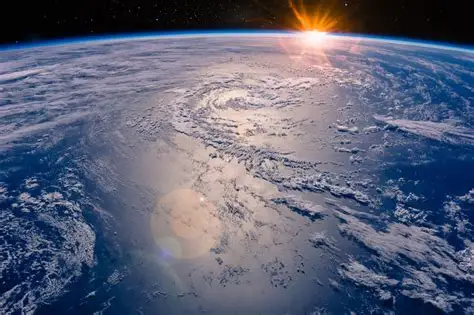
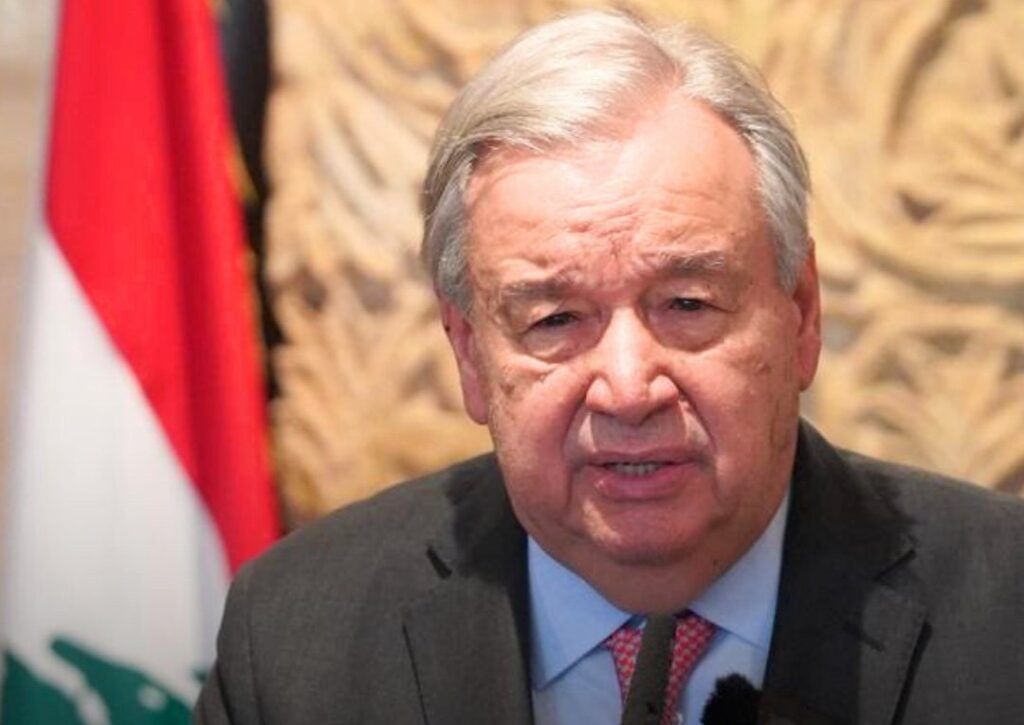
United Nations Secretary‑General António Guterres has sounded a global alarm over a rapidly intensifying El Niño event, describing the planet as entering a “danger zone of extreme weather.”
Fresh data from the World Meteorological Organization (WMO) suggests this could be the most powerful El Niño in more than 70 years, with impacts likely to stretch into early 2027.
El Niño is a recurring climate pattern driven by warming of the central and eastern Pacific Ocean. It disrupts global weather systems, often bringing drought to some regions while fuelling stronger storms and floods in others.
Scientists warn that this year’s event will also push temperatures higher, compounding heat already caused by human‑induced climate change.
Pacific sea temperatures have climbed sharply in recent months, a clear signal of the phenomenon’s growing strength.
Guterres’ Warning
Guterres said the scale of the event is unprecedented. “El Niño is being supersized before our eyes. The science is unambiguous: the planet has moved into unfamiliar territory, and conditions continue to worsen,” he declared.
He urged governments to prepare for severe impacts, noting that vulnerable populations will be hardest hit.
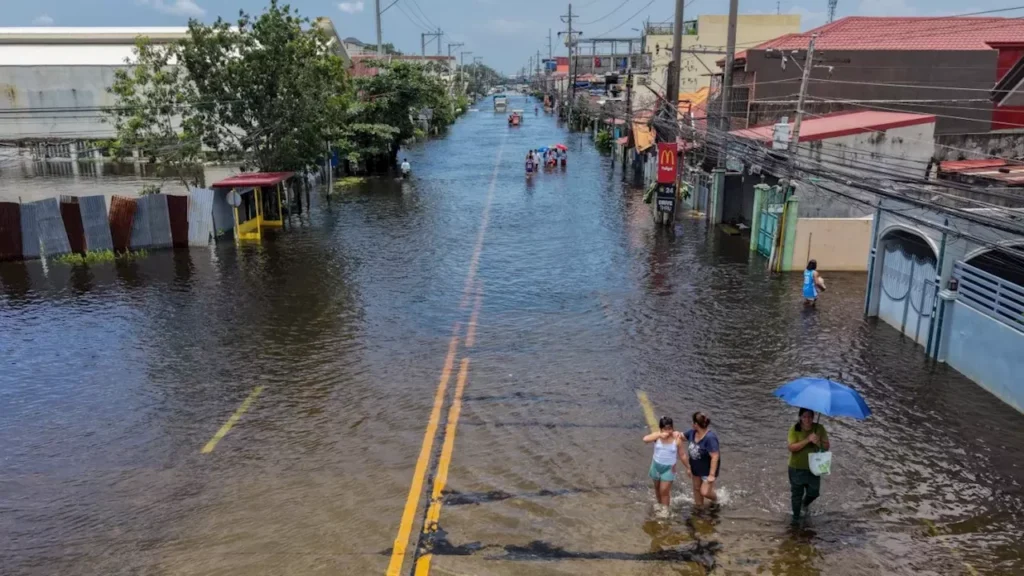
WMO Secretary‑General Celeste Saulo cautioned that the phenomenon “has the potential to deliver a massive blow to communities and economies across the world.”
She said the agency is working to expand forecast coverage so that early warnings reach as many communities as possible.
Officials worldwide are already bolstering emergency systems, from medical support to disaster response networks, in anticipation of extreme weather.
Countries across Africa, Asia, and Latin America are expected to face significant challenges. Drought could threaten food security in parts of East Africa, while flooding and storms may intensify in South Asia and the Americas.
Experts say preparedness measures, including early warning systems and community‑level resilience planning, will be critical in limiting damage.