

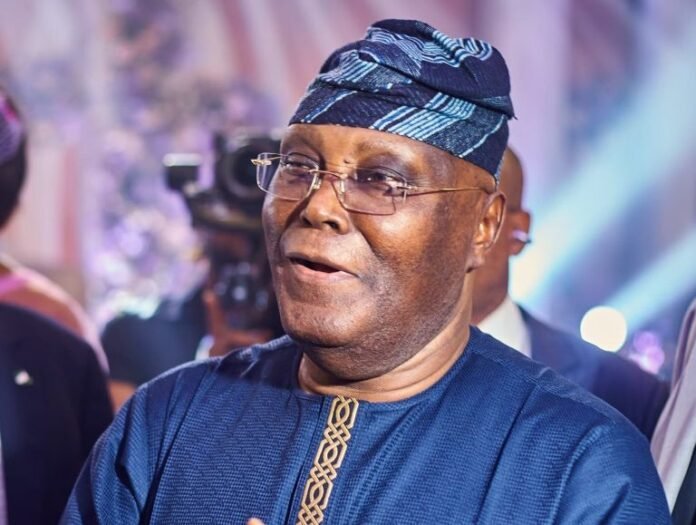
Former Vice President Atiku Abubakar has made the restoration of petrol subsidy a central promise of his 2027 presidential campaign under the African Democratic Congress (ADC).
Speaking in Hausa during an interview on Wednesday, Atiku asked “where is the money? Where did it go? It was intended to reduce poverty and help children attend school. Where is the money now? It seems they are just stealing it.”
He pledged that “if elected, I will bring back the oil subsidy, and whoever stole the money must refund it.”
President Bola Tinubu ended Nigeria’s petrol subsidy in May 2023, a decision that sharply increased fuel prices and living costs. The Federal Government argued that the policy freed up resources for development.
On Wednesday, Finance Minister Taiwo Oyedele said subsidy removal generated ₦15.8 trillion between June 2023 and December 2025. He explained that the figure reflected increased revenue mobilisation and exchange-rate reforms.
Atiku disputed this, insisting that Nigerians have not seen improvements in security, education, or infrastructure. His campaign accused the government of failing to account for about ₦30 trillion in federation revenues and transfers.
Political Context And Shifting Positions
Atiku’s latest position is marked reversal from his 2023 campaign as the People’s Democratic Party (PDP) candidate, when he promised to remove the subsidy within 100 days of taking office.
Now, he argues that subsidy removal has hurt ordinary Nigerians without delivering promised benefits. He said “if they had used the money for development, to solve security problems, for education, and to create opportunities for the youth, it would be different.”
Other opposition figures, including African Action Congress candidate Omoyele Sowore, have also pledged to restore subsidy, claiming the government still subsidises petrol and the naira despite declaring an end to the regime.
Historical Tensions with Obasanjo Continues
Atiku’s policy statement amid deteriorating relationship with his former principal, Ex-Presdient Olusegun Obasanjo.
Former Cross River governor Donald Duke recently recounted how ex-military leader Ibrahim Babangida allegedly warned President Olusegun Obasanjo not to trust Atiku during tensions ahead of the 2003 election.
According to Duke, Babangida told Obasanjo privately, “I warned you not to trust that your deputy. This one cannot rule Nigeria.”
Obasanjo and Atiku’s relationship has remained strained since their time in office. Obasanjo has repeatedly accused Atiku of corruption and betrayal, while Atiku insists Obasanjo fabricated allegations to weaken his political ambitions.
The subsidy debate is now likely to dominate the 2027 campaign. Tinubu’s government insists the policy has boosted state revenues, while opposition candidates argue it has worsened poverty.
Atiku’s promise to restore subsidy could resonate with Nigerians struggling under high fuel and food prices. However, critics question whether the policy is sustainable given Nigeria’s fiscal challenges.
With the campaign season heating up, the clash over subsidy savings and their impact on citizens may become the defining issue of the election.

 WhatsApp Channel
 Telegram Channel