




Nigeria is facing a growing public health concern as faulty genotype test results from laboratories continue to drive new sickle cell cases, despite years of awareness campaigns.
On World Sickle Cell Day, health experts warned that inaccurate testing, misdiagnosis, and even falsified results are contributing to about 150,000 affected births yearly.
Nigeria already carries the world’s highest burden, with about 40 million people living as carriers of sickle cell traits.
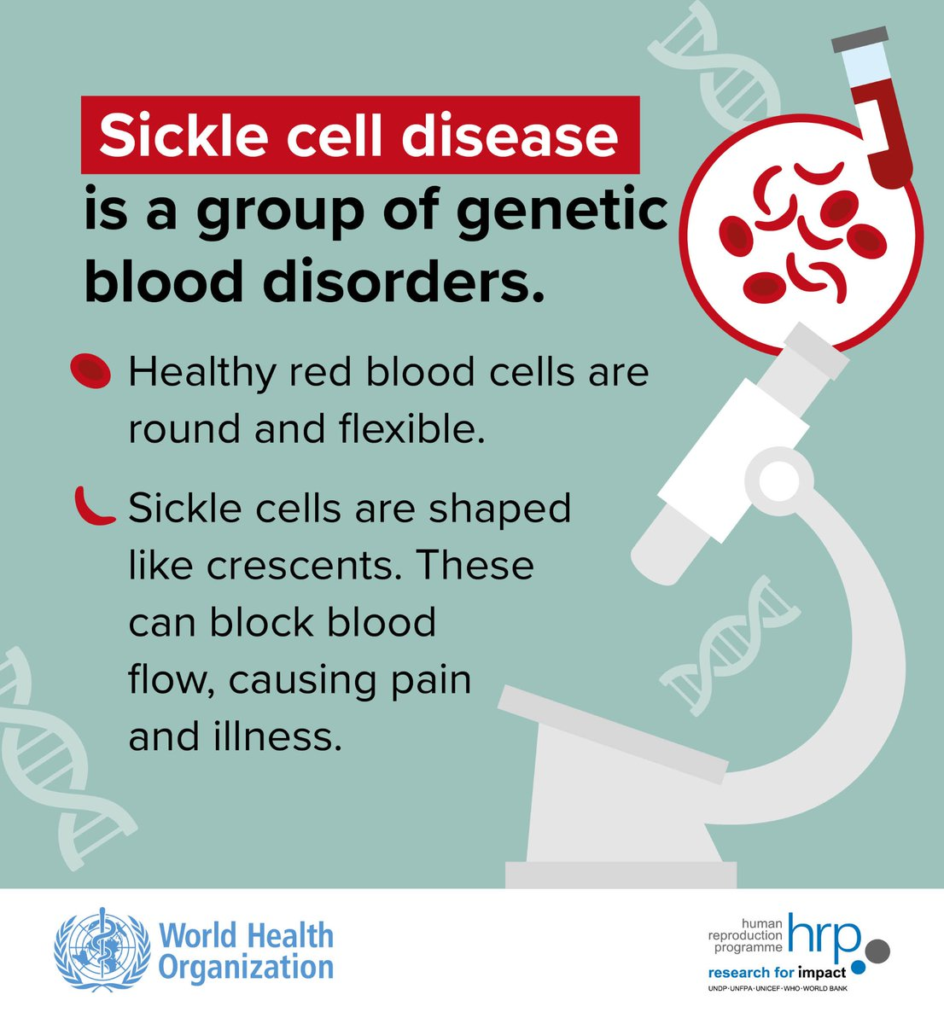
Sickle cell disease is a genetic blood disorder affecting haemoglobin, which carries oxygen in red blood cells.
Experts say the condition is fully preventable through proper genotype screening and informed marital decisions.
However, testing failures estimated at over 40% are undermining prevention efforts.
Faulty Tests And Fake Results Raise Alarm
Health professionals linked the problem to outdated equipment, poor training, weak regulation, and unethical practices in some labs.
They also pointed to cases where individuals allegedly bribe technicians to alter results before marriage.
A patient, Adewole, shared his experience.
He said, “It wasn’t until a year before I graduated from the University that I was diagnosed with SC.”
He added, “This helped me in choosing a wife who is AA, and we have two healthy children now.”
Another case involved a mother who discovered years later that her genotype result was wrong, after having children with sickle cell disease.
Experts say such cases are becoming more common and are affecting families and marriages.
According to the Medical Laboratory Science Council of Nigeria, poor oversight has allowed unqualified facilities to operate.
Fewer than 10% of over 30,000 laboratories in Nigeria are properly regulated.
Dr. Casimir Ifeanyi said, “In Nigeria, everybody performs and can perform testing.”
He added, “So that is why you have out there very, very fake, false, uncorrected haemoglobin genotype reports.”
Experts Call For Urgent System Overhaul
Medical leaders are calling for strict quality control, better equipment, and wider screening to tackle the crisis.
Professor Aisha Kuliya-Gwarzo of the African Medical Centre of Excellence said prevention depends on early and accurate testing.
She explained that poor results often come from weak lab standards or testing during blood transfusions.
Professor Obiageli Nnodu of the <a href=”https://uniabuja.edu.ng”>University of Abuja</a> said quality assurance failures are worsening the burden.
She revealed that up to 40% of patients in some clinics had incorrect genotype results.
She asked, “So, how do we address this issue of quality assurance?”
Experts recommend repeat testing at certified centres and mandatory premarital screening with counselling.
They also proposed nationwide screening from early childhood through adulthood.
Meanwhile, Dr. Annette Akinsete of the Sickle Cell Foundation said the financial burden on patients remains high.
She said many families pay out of pocket for care, limiting access to treatment.
She added, “Many couples have separated or even divorced on account of this.”
She explained that errors often come from poorly equipped labs or fraudulent practices.
Health experts are now calling for stronger regulation, improved funding, and expanded health insurance coverage, saying that without these, Nigeria’s sickle cell burden will continue to grow despite decades of public awareness.

 WhatsApp Channel
 Telegram Channel