



Nigeria’s rising debt has drawn new warnings from the International Monetary Fund (IMF), which has strongly advised authorities to focus on sustainability.
The guidance was delivered during the IMF’s April 2026 Regional Economic Outlook briefing for Sub-Saharan Africa.
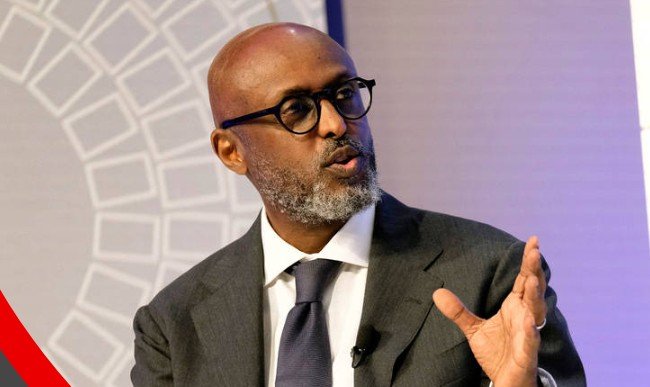
The IMF Africa Director Abebe Aemro Selassie said the key issue is not where Nigeria borrows from.
“What is really important is to keep the level of debt as manageable as possible,” Selassie said.
He explained that borrowing decisions must align with the country’s ability to service obligations without strain.
“It is about keeping debt within limits relative to repayment capacity,” he added.
Meanwhile, Nigeria’s public debt has risen sharply to ₦159.28 trillion as of December 31, 2025.
This increase has been driven largely by domestic borrowing to fund budget deficits and infrastructure expansion.
Nigeria Rejects IMF Loan Despite Rising Global Risks
However, despite mounting pressure, Nigeria has ruled out seeking fresh loans from the IMF’s proposed $20bn–$50bn support pool.
Finance Minister Wale Edun made the position clear during meetings in Washington DC.
“Nigeria has no plan at the moment to approach the IMF for any other such burden,” Edun said.
However, he acknowledged the strain on African economies from global shocks, especially the Middle East crisis.
“African countries are not creators of this situation, yet they face greater pressure,” he stated.
Meanwhile, IMF Managing Director Kristalina Georgieva advised countries to act quickly when support is needed.
“When you need help financially, don’t hesitate to move fast,” she said.
She added that early intervention helps protect economies from deeper instability.
“The sooner we act, the more we protect the economy,” Georgieva explained.
Global Pressures Threaten Africa’s Economic Stability
The IMF warned that over 20 million people in Sub-Saharan Africa face food insecurity due to rising global prices.
The warning was contained in its April 2026 report titled Hard-Won Gains Under Pressure.
Meanwhile, growth across African economies may decline by up to 0.2% due to geopolitical tensions.
A joint report by the African Development Bank Group and partners linked the slowdown to Middle East disruptions.
“The continent demonstrates remarkable resilience,” said AU Commissioner Francisca Tatchouop Belobe.
However, the report warned that supply chain disruptions and high energy costs could worsen conditions.
AfDB Chief Economist Kevin Urama advised governments to remain cautious.
“Governments should avoid panic decisions that harm fiscal balances,” he said.
Furthermore, experts recommended targeted social protection instead of broad subsidies to manage inflation.
“Strategic inflation management is essential to maintain stability,” the report indicated.
As global uncertainty deepens, Nigeria faces tough choices between growth, borrowing, and fiscal discipline.
The IMF’s position signals a shift toward stricter debt management.

 WhatsApp Channel
 Telegram Channel