

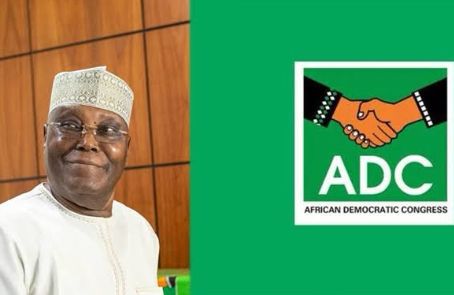
African Democratic Congress (ADC) presidential candidate Atiku Abubakar has pledged to ensure that funds allocated to Nigeria’s local governments are paid directly to them if elected president.
He said the measure would uphold the rule of law, strengthen grassroots governance, and restore what he described as true federalism.
His statement comes amid ongoing disputes over the implementation of a landmark Supreme Court judgment on local government financial autonomy
In July 2024, the Supreme Court ruled that allocations meant for local governments must be paid directly to democratically elected councils.
The judgment followed a suit filed by the national government against the 36 state governors, accusing them of withholding or mismanaging funds meant for the third tier of government.
The court held that state governments had no authority to control or divert local government allocations. It directed that payments be made directly to councils, thereby guaranteeing financial independence.
Advocates of local government autonomy hailed the ruling as a major step toward strengthening Nigeria’s federal system.
However, despite the judgment, implementation has stalled. Reports indicate that ₦10.48 trillion was allocated to local governments but not disbursed directly, leaving councils dependent on state governors.
Atiku’s Criticism Of Current Administration
Atiku accused President Bola Tinubu’s administration of failing to enforce the Supreme Court judgment. He alleged that the government was reluctant to confront state governors who continue to control local government funds.
“My administration will respect court judgments, protect local government autonomy, ensure that public funds reach the people for whom they are meant, and restore true federalism,” Atiku said in a statement issued by his spokesperson Kenneth Okonkwo.
He argued that direct funding would reduce poverty, bring development closer to the grassroots, and empower councils to fight crime and terrorism.
“This move will ensure that development is brought to the grassroots, reduce poverty at the level of government nearest to the people, and guarantee financial independence to the local governments which will increase their capacity to fight crimes and terrorism at that level,” he added.
Atiku emphasised that local governments are the closest tier of government to the people. Direct access to statutory allocations, he said, would enable councils to provide essential services such as healthcare, education, and infrastructure.
He also argued that financial autonomy would strengthen local governments’ capacity to tackle insecurity. With direct funding, councils could invest in community policing, youth empowerment, and social programmes that reduce crime.
“Nigeria must be governed by laws, not by political convenience,” Atiku said, stressing that governance should be guided by constitutional provisions rather than political interests.
Political Context Ahead Of 2027 Elections
Atiku’s pledge comes as political parties and presidential aspirants position themselves ahead of the 2027 general elections. Local government autonomy has become a major issue in debates about Nigeria’s federalism.
Supporters of autonomy argue that direct funding would reduce corruption and ensure accountability. Critics, however, point to challenges such as the status of elected councils in some states and the mechanisms for disbursement.
Atiku’s promise to enforce the Supreme Court judgment is likely to resonate with voters who feel disconnected from development at the grassroots.
His campaign has framed the issue as a test of Nigeria’s commitment to the rule of law and democratic governance.

 WhatsApp Channel
 Telegram Channel