




Nigeria is one step closer to having its own state police — and the Senate wants no one to mistake what drove that decision.
On Sunday, June 29, 2026, the Directorate of Media and Public Affairs of the Leader of the Senate, Senator Opeyemi Bamidele, issued a statement defending the passage of the Constitution of the Federal Republic of Nigeria (Alteration) (State Police) Bill, 2026.
Bamidele described the legislation as “a child of necessity and not of political expediency,” pushing back firmly against suggestions that the bill was driven by partisan interests.
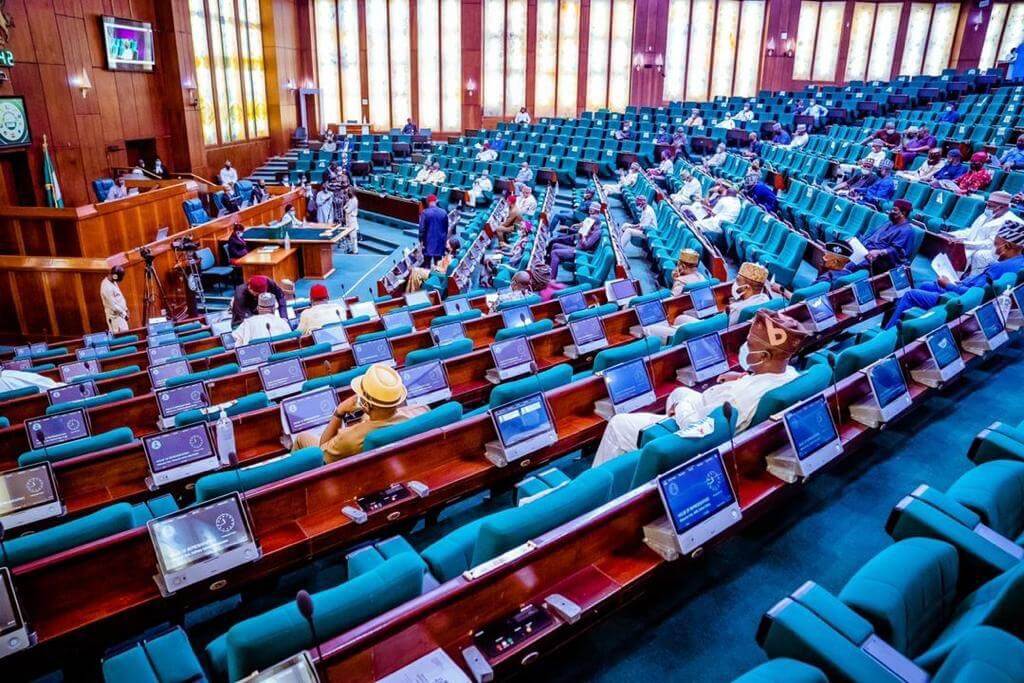
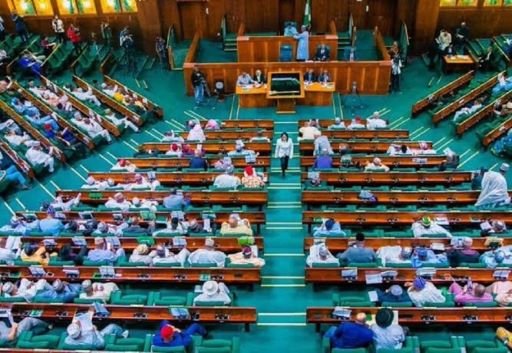
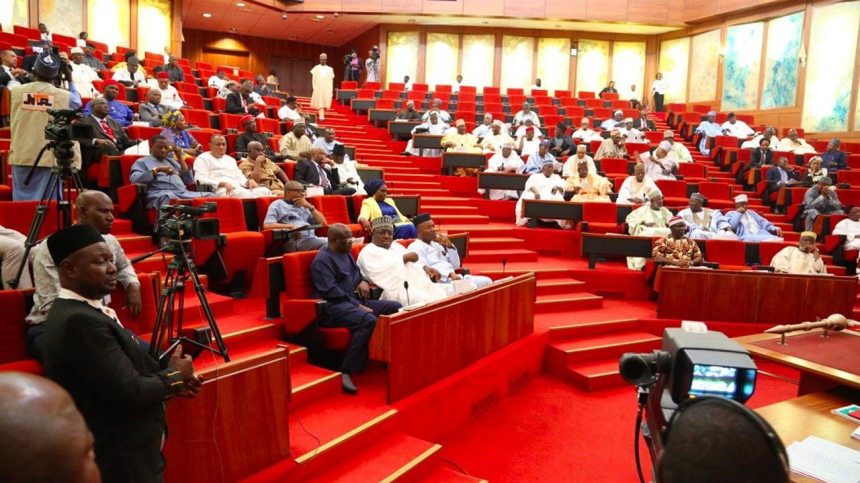
The House of Representatives passed the bill on June 11, 2026. The Senate followed on June 24, 2026, with 84 of its 109 senators voting in favour — a 77.06% approval rate.
Support cut across party lines, with members of the Peoples Democratic Party, African Democratic Congress, Nigeria Democratic Congress, and Labour Party joining the ruling All Progressives Congress majority in backing the bill.
“Even though the APC is the majority, there are members of opposition parties — PDP, ADC, NDC, and the Labour Party — that exercised their discretion in favour of the Bill, mainly in the national interest and not on a parochial basis,” Bamidele said.
The idea of state policing in Nigeria is not new. It has featured in constitutional review discussions for years, and the proposal that became this bill originated from memoranda submitted to the Senate Ad-hoc Committee on the Review of the 1999 Constitution.
The Nigerian Governors’ Forum, the Conference of Speakers of State Legislatures, and the leadership of the Nigeria Police Force were all consulted. Public hearings held across all six geopolitical zones in July 2025 returned overwhelming support.
What the Bill Actually Does — and the Safeguards It Contains
If fully ratified, the legislation will create a dual policing structure in Nigeria for the first time.
A Federal Police Service will retain responsibility for national security, terrorism, cybercrime, and offences that cross state boundaries.
Alongside it, each state will operate its own State Police Service, handling local law enforcement and public safety within its borders.
The bill includes several safeguards against political abuse — a concern that has long dominated debates about state policing in Nigeria, given fears that governors could weaponise local police forces against opponents.
Under the bill, governors will appoint State Commissioners of Police, but only subject to confirmation by their State Houses of Assembly.
Any removal requires a recommendation from the National Police Council and approval by a two-thirds majority of the state legislature. Each state must also establish a State Police Service Commission to handle recruitment, promotions, and discipline independently.
Furthermore, no State Police Service can begin operations until the National Assembly certifies that it meets nationally prescribed operational standards — a provision designed to prevent half-built or politically controlled forces from going live.
Bamidele said the Nigeria Police Force itself contributed to shaping the bill, with many of its recommendations incorporated into the final text.
Bill Now Heads to State Assemblies for Ratification
The bill’s passage through the National Assembly is only part of the journey.
A constitutional alteration in Nigeria requires ratification by at least 24 of the country’s 36 State Houses of Assembly — two-thirds — before it can be sent to President Bola Tinubu for presidential assent.
The bill has now been transmitted to the state legislatures, and the national debate is expected to intensify as each assembly considers whether to approve it.
Bamidele was pointed in his criticism of those who oppose the bill on political grounds, arguing that security is too important for party calculations.
“Security should transcend partisan politics,” he said, describing it as “a collective public good that benefits citizens across ethnic, political, and religious divides.”
He was equally blunt about the responsibility of the opposition.
“Even when they disagree on some grounds, they are under obligations to provide credible and useful ideas that can make our nation better and greater. Unfortunately, they have not passed this critical test of opposition democracy.”

 WhatsApp Channel
 Telegram Channel