





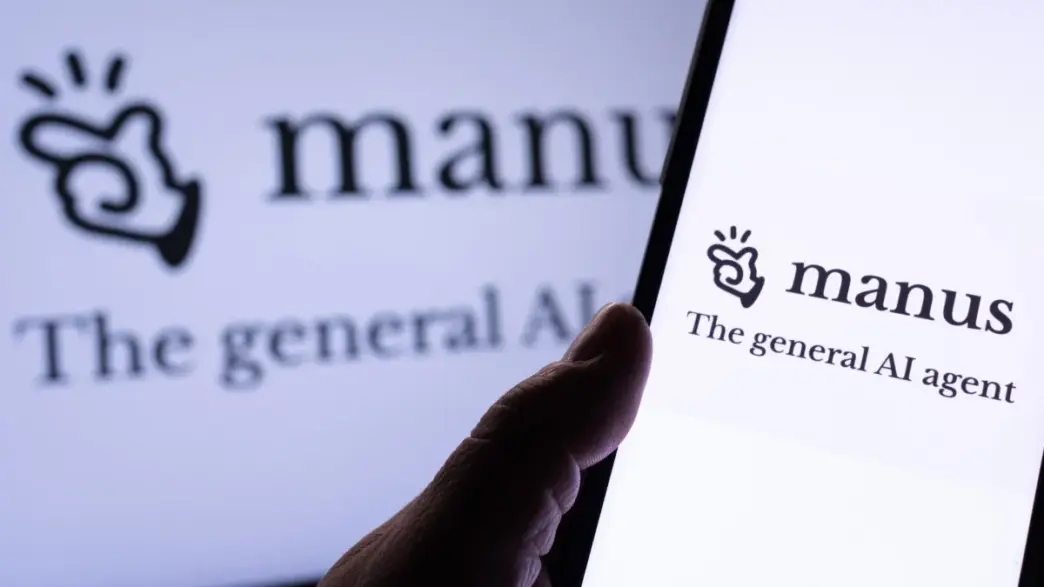
China has blocked a major artificial intelligence deal involving Meta Platforms, deepening tensions with the United States over control of advanced technology.
The decision, announced Monday by the National Development and Reform Commission, stops Meta from acquiring AI startup Manus.
Manus, developed by a Chinese-linked firm but now based in Singapore, had attracted global attention for its advanced AI tools.
Meta had announced plans in December to buy the company as part of its growing push into artificial intelligence.
The deal was reportedly worth more than $2 billion and seen as a strategic step to expand Meta’s AI capabilities.
Meanwhile, the startup’s technology includes tools that can summarise resumes and build stock analysis platforms automatically.
China Tightens Grip On Strategic Technology Sector
Chinese regulators moved quickly to block the deal, citing concerns over foreign control of sensitive technology.
Reports said Manus co-founders Xiao Hong and Ji Yichao were summoned to Beijing during the review process.
They were reportedly told they could not leave the country while the regulatory process continued.
This action reflects China’s wider approach to controlling key sectors like artificial intelligence and data systems.
Experts say Beijing now treats AI as a national security priority, similar to semiconductors and telecommunications.
“Securitising” the AI sector has become central to China’s strategy to prevent loss of talent and data.
The government has also introduced stricter rules on foreign investment in local tech firms.
Global Tech Rivalry Shapes Investment Decisions
The blocked deal comes amid growing competition between Washington and Beijing over technological leadership.
In recent years, both countries have imposed limits on tech transfers, investments, and partnerships.
China’s actions signal a clear intent to keep control of innovations developed within its ecosystem.
At the same time, US firms like Meta continue to invest heavily in AI to compete globally.
Despite Meta’s position that the deal followed legal requirements, Chinese authorities maintained their stance.
The decision could affect future cross-border deals involving Chinese-founded startups operating overseas.
It may also force companies to reconsider expansion plans or partnerships involving foreign investors.

 WhatsApp Channel
 Telegram Channel