




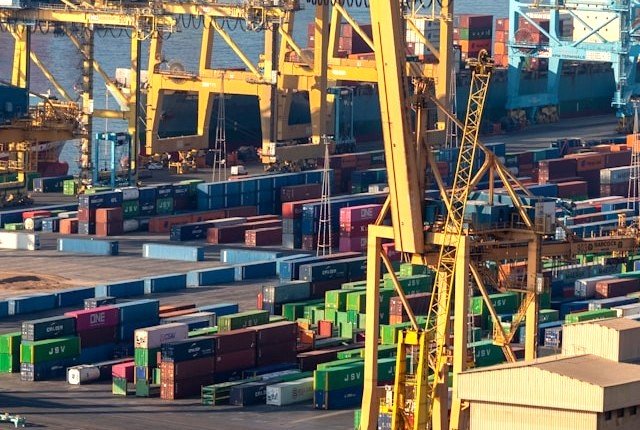
Nigeria’s federal government has banned 17 products from non-ECOWAS countries as part of the 2026 Fiscal Policy Measures released by the Finance Ministry.
Minister Wale Edun signed the circular on April 1, 2026. It targets goods like cement, poultry, and pharmaceutical products.
The document is titled Import Prohibition List (Trade). It applies only to goods originating outside of the West African trade bloc.
It consists of 17 items, stated the circular. This policy replaces the old measures from 2023 to better manage trade within Nigeria.
The government has given a grace period for existing orders. This window allows importers to finish their current transactions.
A grace period of ninety days shall be granted to all importers who had opened Form ‘M’ before the coming into effect of this circular.
This means traders who started deals before April 1, 2026, can still clear their goods. They will pay the old duty rates during this time.
Furthermore, any new deal started after the start of April must follow the rules. All new transactions are subject to the 2026 tariff regime.
The Economic Community of West African States (ECOWAS) is a regional group that encourages free trade between 15 countries in West Africa.
By exempting ECOWAS members, the government supports regional integration. However, goods from Europe or Asia face the full weight of the ban.
Understanding The Import Prohibition List
The list includes several common food items. Live or dead birds, including frozen poultry, are now strictly forbidden from outside the region.
Pork and beef products are also restricted. This covers tongues, livers, and shoulders of bovine animals often brought into the country.
Refined vegetable oil is another key item on the list. Meanwhile, the ban excludes crude vegetable oils and specific items like castor oil.
Sugar and cocoa products face similar rules. The government has banned cane or beet sugar and cocoa butter from non-members of the trade bloc.
Construction and household goods are also included. Bagged cement and soaps are now on the list to encourage local production in Nigeria.
Furthermore, the ban covers certain papers and glass. Hollow glass bottles and corrugated paper boxes are among the 17 restricted categories.
Pharmaceutical waste and various medicines are also part of the list. This includes mineral or chemical fertilisers like NPK for farming.
New Green Tax On Motor Vehicles
The 2026 measures introduced a new environmental fee. This is known as a 2% green tax surcharge on certain types of motor vehicles.
This excise duty applies based on the size of the engine. Specifically, it targets vehicles with large engine capacities used in Nigeria.
Cars with engines from 2,009 cc to 3,999 cc must pay the fee. Additionally, any vehicle with an engine of 4,000 cc or more is affected.
Now, these fiscal measures have become law and will soon be published in the Official Federal Government Gazette for public record.

 WhatsApp Channel
 Telegram Channel