




President Bola Tinubu yesterday reaffirmed his administration’s commitment to the Presidential Power Initiative (PPI), assuring Siemens Energy, the technical contractor, of full government support to improve electricity supply and strengthen Nigerians’ livelihoods.
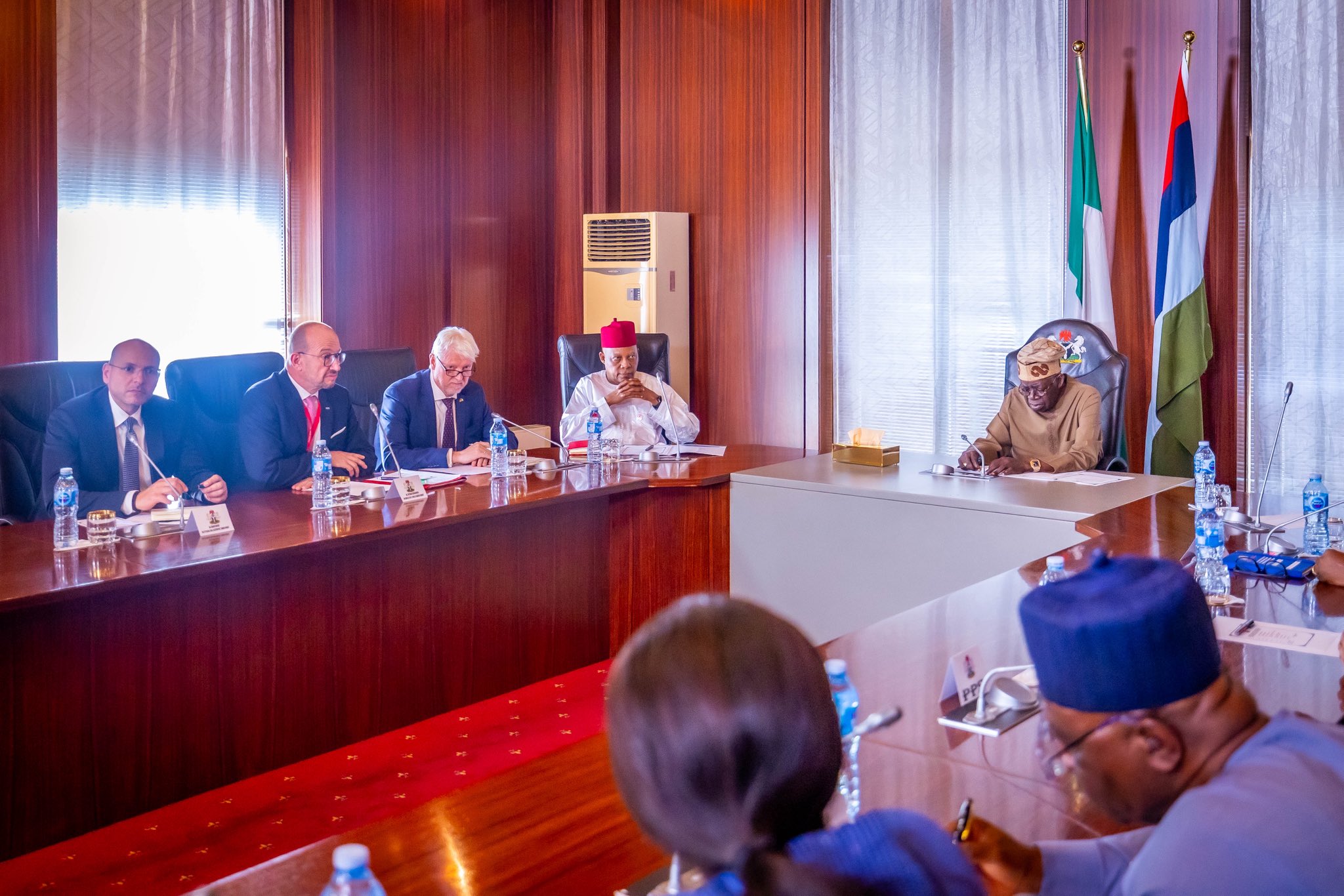
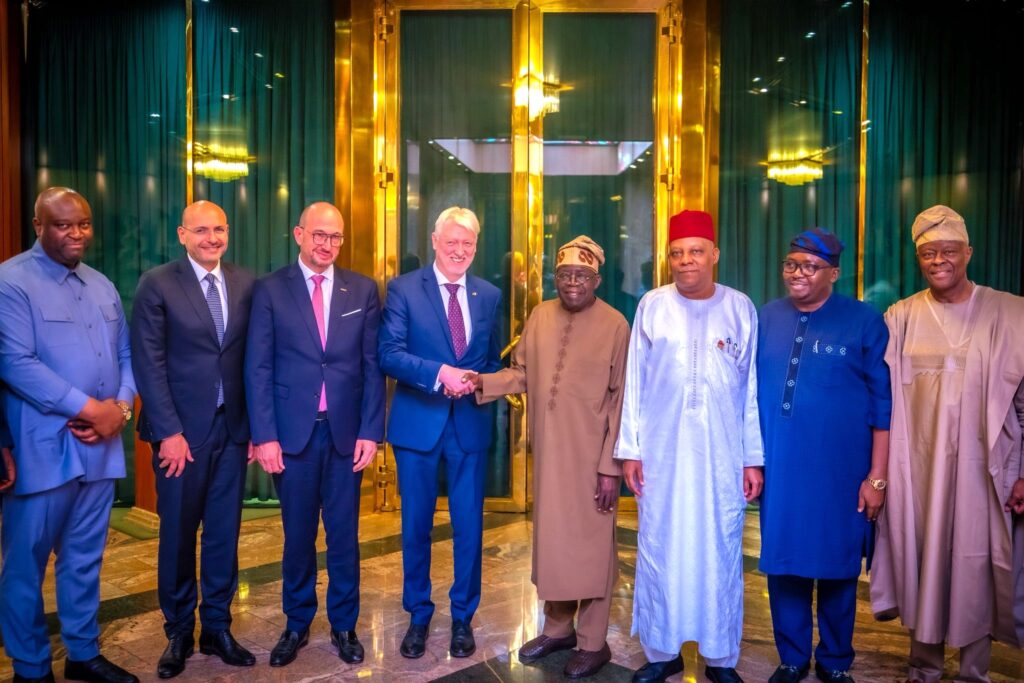
The President made the pledge while meeting a German delegation led by Dietmar Siersdorfer, Managing Director for Middle East and Africa.
He emphasised that power is central to economic growth, especially in industry, education, and healthcare.
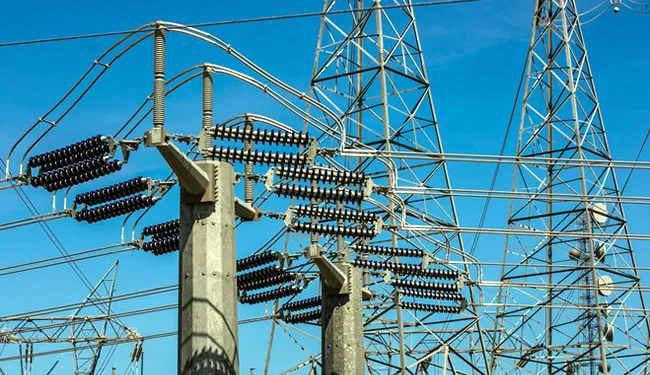
Nigeria’s PPI, launched in 2019 under the Buhari administration, was designed to upgrade transmission and distribution networks, ensuring that the country’s generating capacity can reach consumers.
The programme was planned in three phases: raising power delivery from 5,000 to 7,000 megawatts in Phase One, 11,000 megawatts in Phase Two, and 25,000 megawatts in Phase Three.
Power Sector Challenges and Progress
Despite delays, Phase Zero saw Siemens install mobile substations and large transformers, boosting grid capacity and reliability in key locations.
Tinubu stressed that completing the phased project would harness Nigeria’s human and material potential, placing the country prominently on the continent.
He directed the expansion of major transformer substations from two to three phases to strengthen transmission.
“There is no industrial growth or economic development without power. I believe that power is the most significant discovery of humanity in the last 1,000 years,” the President said.
Minister of Power, Adebayo Adelabu, highlighted milestones under the Tinubu administration, including the decentralisation and liberalisation of the sector through the Electricity Act 2023, a National Integrated Electricity Policy, and the activation of 15 state electricity markets.
The policy has attracted more than $2 billion in fresh investment.
Transmission, Distribution, and Revenue Bottlenecks
Currently, Nigeria can generate over 13,000 megawatts of electricity, but only around 5,000 megawatts reach consumers consistently.
Weak transmission lines, ageing substations, overloaded transformers, and frequent system collapses contribute to widespread power losses.
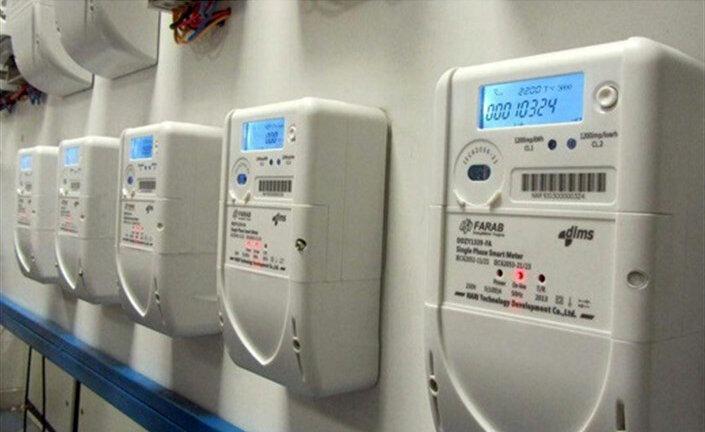
Distribution companies face revenue collection challenges, with many consumers being unmetered, leading to payment inefficiencies.
Gas supply disruptions further limit generation capacity, resulting in reliance on generators, high business costs, and reduced industrial competitiveness.
Siemens and PPI Milestones
Siemens Energy has delivered 10 mobile substations, three 75/100MVA transformers, and seven 60/66MVA transformers, adding 984 megavolts of capacity.
Phase One, Batch One includes five substations in Abeokuta, Offa, Ayede-Ibadan, Sokoto, and Onitsha, with two slated for completion by the end of 2026.
Phase One, Batch Two will add six brownfield and 10 greenfield substations, cumulatively impacting 4,104 megawatts.
The Siemens delegation confirmed that local professionals will be engaged directly, while thousands of jobs will be created in surrounding communities.
A training centre is under construction to develop local talent in electrical engineering, ensuring technology transfer and long-term capacity building.
Vice President Kashim Shettima, Minister of Finance Wale Edun, and Special Adviser on Energy Olu Verheijen attended the meeting.
Edun noted that the PPI would improve Nigeria’s ease of doing business, create jobs, and reduce poverty.
Siersdorfer described the PPI as a platform for long-term development, projecting that the project will make Nigeria a regional power hub. Johannes Lehne, representative of the German Ambassador to Nigeria, assured continued German support for the initiative.

 WhatsApp Channel
 Telegram Channel