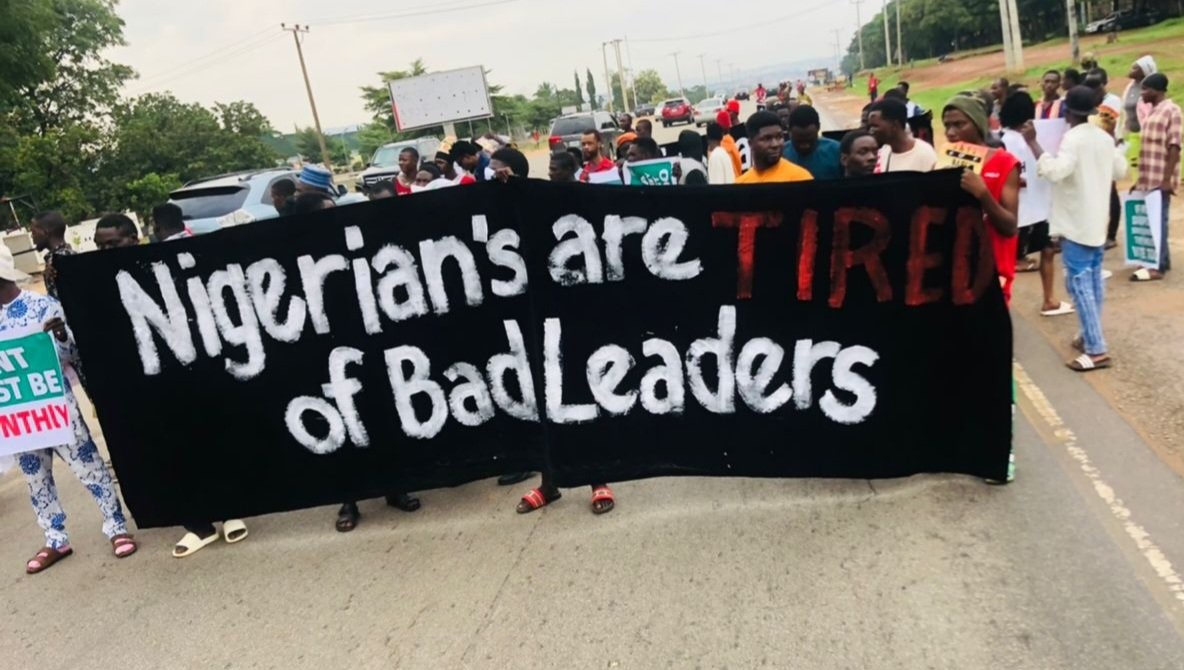






Nigeria’s economy is under fresh strain as global crude oil prices tumble, raising concerns over the nation’s revenue and budget sustainability. The sudden price decline has worsened financial risks for Africa’s largest oil producer.
Oil prices fell by $10.05 on Friday, with Brent crude settling at $64.9 per barrel. This drop follows new tariffs imposed by United States President Donald Trump, who introduced a 10% levy on certain goods.
Fears of a trade war and potential countermeasures have deepened market concerns.
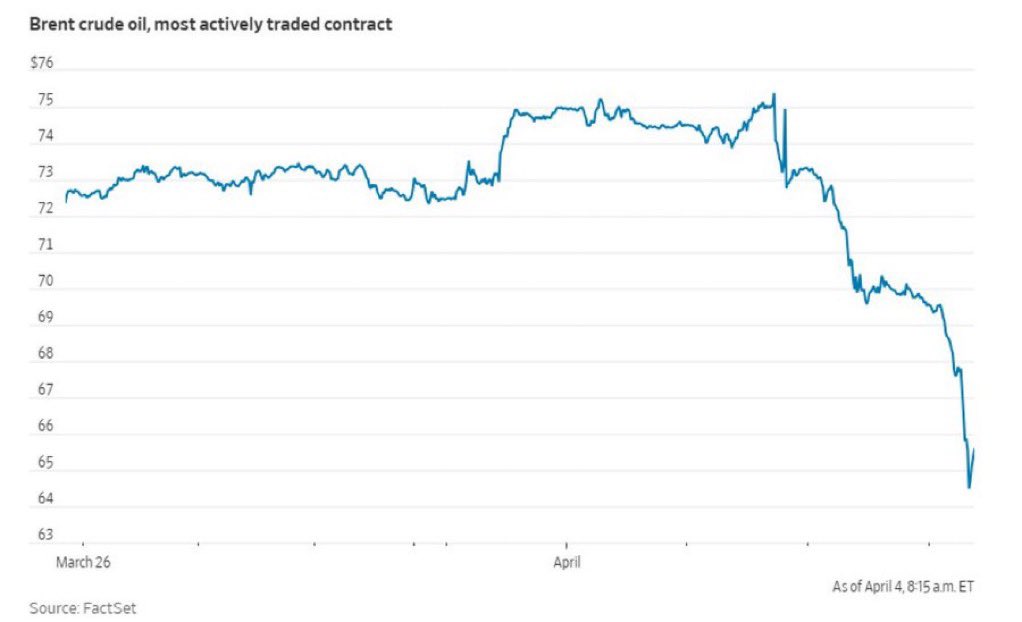
“We see this level of tariffs and a looming trade war as bearish for the global economy and oil demand and thus bearish for Platts Dated Brent,” analysts at S&P Global Commodity Insights stated in a report.
OPEC+ Increases Oil Production
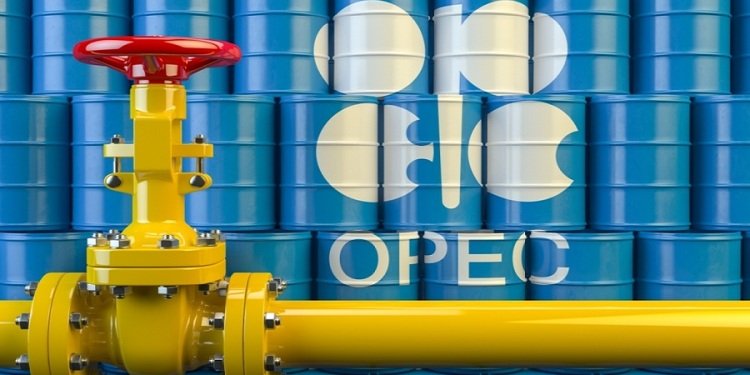
The Organization of Petroleum Exporting Countries and Alliance (OPEC+) surprised markets by deciding to boost production starting in May. The group announced that eight member nations will ease voluntary production cuts totaling 2.2 million barrels per day (bpd). Their combined quotas will increase by 411,000 bpd, further contributing to the market’s oversupply concerns.
Nigeria is particularly vulnerable to these developments. President Bola Tinubu’s 2025 budget is built on an oil benchmark price of $75 per barrel and a production target of 2.06 million bpd. With oil now selling below that mark and output struggling to meet expectations, government revenue projections are in jeopardy.
Nigeria’s Oil Revenue and Economic Struggles
Oil contributes nearly 90% of Nigeria’s export earnings and 60% of government revenue. The recent price crash could lead to severe budget shortfalls. The government may have to borrow more, increasing the national debt burden.
Meanwhile, the country faces other economic challenges:
- Inflation remains high, reducing purchasing power.
- The naira continues to depreciate against the U.S. dollar.
- Nigeria spends over ₦1.2 trillion monthly on petrol imports following the removal of fuel subsidies.
Despite being Africa’s top oil producer, Nigeria has struggled with low output due to pipeline vandalism, oil theft, and underinvestment. Recent data from OPEC shows that Nigeria’s oil production remains below its 1.8 million bpd quota, hovering around 1.47 million bpd.
This means Nigeria is earning less from oil at a time when revenue is desperately needed. The government may have to introduce economic adjustments to manage the shortfall.
Like 👍, Comment, share this article, and Follow us on our social media handles.

 WhatsApp Channel
 Telegram Channel