


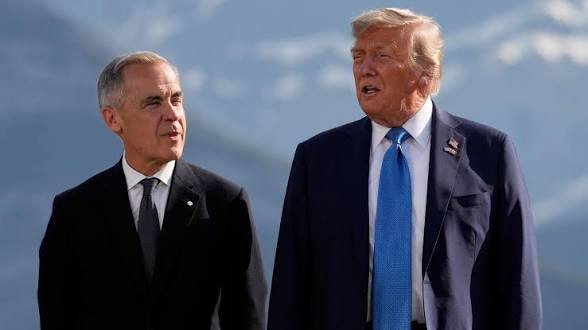
The United States imposed sweeping 50% tariffs on approximately $20 billion worth of Canadian goods early on Saturday, 22 August 2026, marking a dramatic escalation in trade tensions between the two longstanding allies.
The measures took effect just after midnight (04:00 GMT) following the collapse of last-ditch negotiations on Friday.
Canadian Prime Minister Mark Carney immediately announced that Canada would retaliate with matching tariffs on a “dollar-for-dollar” basis, suspending trade negotiations and recalling Canadian negotiators from Washington.
What the Tariffs Cover
The new US tariffs apply to a wide range of Canadian products, including:
- Wine and dairy products
- Furniture and cement
- Clothing and hockey equipment
- Fishing rods
- Various industrial and consumer goods
Notably, the measures do not apply to energy, potash, fish, or certain key minerals. The affected goods represent approximately 5% of Canada’s total annual exports to the United States.
Last-Minute Breakdown
Trade negotiations had been ongoing throughout the past week, with signals that a deal was imminent.
President Donald Trump had previously postponed the initial tariff deadline to 20 August, citing progress in talks. Canadian Trade Minister Dominic LeBlanc said on 20 August that an agreement was “very close“.
However, negotiations collapsed on Friday after what Carney described as “last-minute changes” to US proposals.
The Canadian Prime Minister called the new demands “unfair, not economically beneficial,” and said they “called into question the reliability of any deal”.
Carney stated: “We cannot accept what they are offering and we will not give them what they are asking for”.
Differing Accounts
US Trade Representative Jamieson Greer offered a contrasting explanation, arguing that Canada had refused to finalise the agreement on terms previously agreed upon earlier in the week.
Greer said Washington had offered Canada “even better terms” including significant tariff reductions, and called the breakdown a “missed opportunity for Canada“.
Greer added that “new demands and walkbacks of other commitments by Canada have upended the careful balance reached in the past days“.
Canada’s Retaliation
Carney confirmed that Canada's retaliatory measures would focus on:
- Steel and aluminium
- Dairy products
- Household appliances and agricultural machinery
- Pulp and paper, and electronics
The retaliatory tariffs will take effect starting 8 September 2026. Canada will announce the full list of targeted goods and tariff rates in the coming days.
Carney also announced that the government would introduce additional support measures for Canadian workers and businesses affected by the dispute, building on nearly $25 billion in support provided over the past 18 months.





These tariff war all boils down to businesses and livelihoods of people. The grass is the one who bares the brunt of the fight between two elephants.