




For more than 12 hours on Monday, June 30, 2026, Lagos did not function. It flooded.
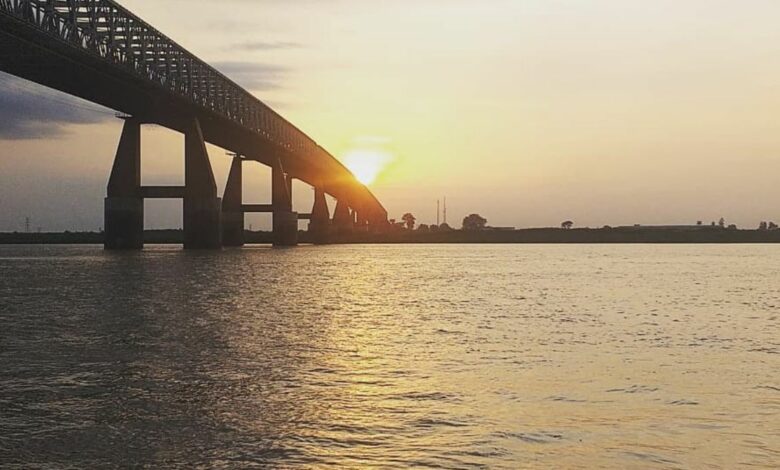
Torrential rainfall that began on Sunday and intensified through Monday morning submerged roads, homes, business premises, and schools across the nation’s commercial capital. By 11am, the bridge linking Ojota to Maryland along Ikorodu Road was underwater.
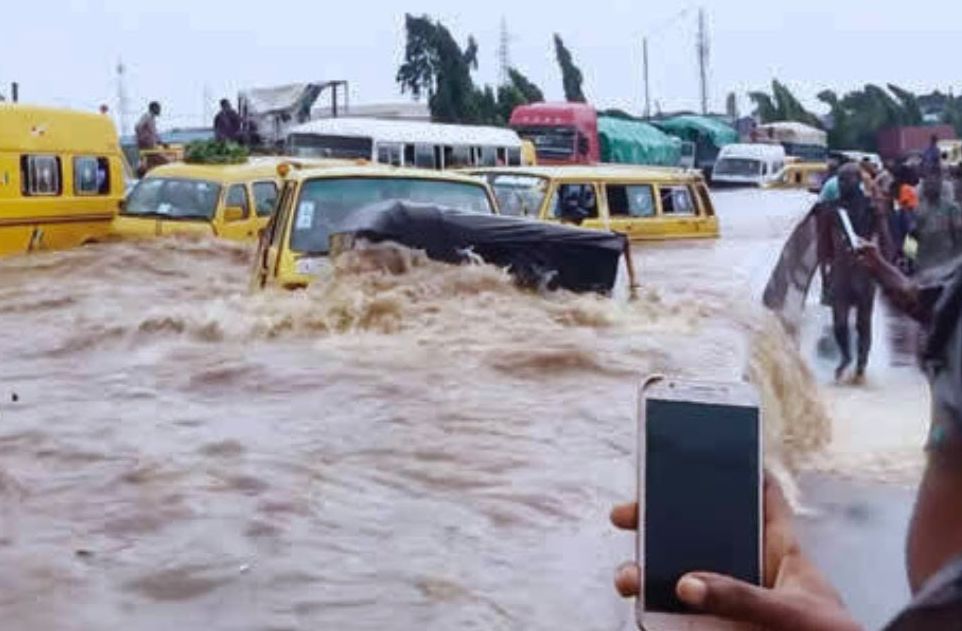
Vehicles floated in stormwater around Lekki and Oshodi. Pedestrians waded knee-deep through streets in Yaba, Ikeja, and Oyingbo to reach their destinations.
The list of affected areas was long: Lagos-Oshodi Expressway, Abeokuta Expressway, Lekki-Epe Expressway, Victoria Island, Agege, Oworonsoki, Gbagada, Funsho Williams Avenue, Iwaya in Yaba, Ago Palace Way in Okota, and several communities in Isashi, Iba LCDA, Okokomaiko, and Ojo.
Normal commercial activity ground to a halt. Bus stops emptied as commuters took shelter wherever they could find it. Many parents kept children home rather than risk flooded routes to school.
The rain subsided around 2pm, but the gridlock and misery it left behind continued for hours. No casualties had been officially reported at press time.
Residents Describe Waist-Deep Water and Rising Desperation
For those who lived through it, the experience was a mixture of danger and familiar frustration. A Yaba resident, Mr Wasiu, described the scene plainly.
“Many roads have been flooded, making it extremely difficult for people to get to work. Some parents were also afraid to allow their children go to school because many drainage channels are blocked and overflowing.”
He also noted that commercial transport operators exploited the crisis, hiking fares to navigate flooded routes and adding to the burden on commuters already struggling to move.
A primary school teacher, Mr Ade Bambo, spoke from personal experience.
“I had to make my way to school, but most of my pupils could not come because of the flood. Whenever there is heavy rainfall, attendance drops significantly because parents fear for the safety of their children.”
In Ago Palace Way, Okota, resident Kunle described how quickly the situation deteriorated.
“It started as a normal rainfall, but within an hour, the entire road was covered. Many cars were stuck while pedestrians had no option but to wade through waist-deep water.”
Among the most harrowing accounts came from Isashi, Iba LCDA, where resident Mr Joel Ubah stood outside a four-bedroom bungalow he completed in April 2025 and moved into just two months later — now entirely submerged.
“Look at my house. I completed the house in April 2025 and moved in May 2025. I can’t stay there now. All the rooms are flooded. The canal at the back of the house is not flowing. I am begging the Lagos State Government to come to our rescue. If the rains and flood continue, many buildings may collapse.”
Commissioner Warns Developers as Lagos Takes Legal Action
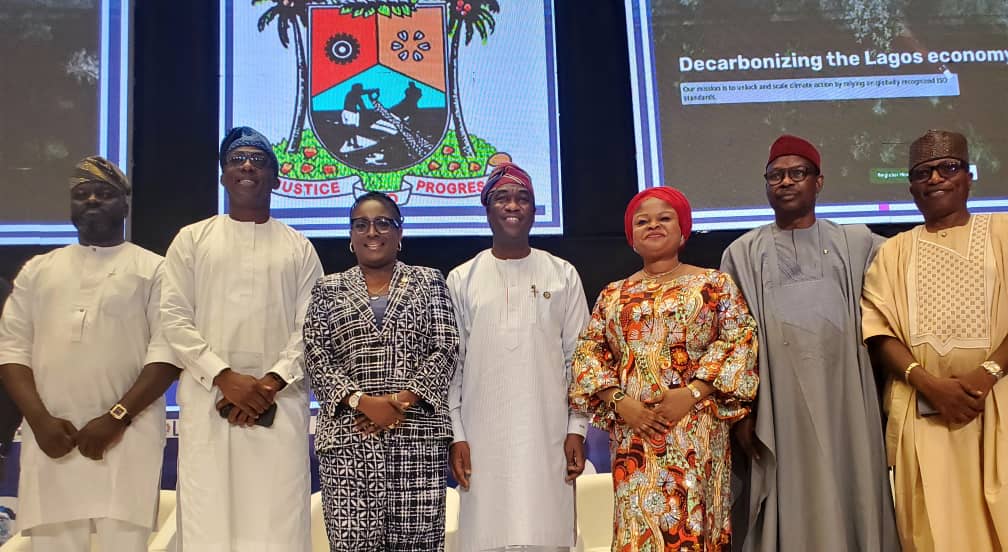
The Lagos State Government did not stay silent. Commissioner for Environment and Water Resources, Tokunbo Wahab, conducted an inspection of drainage channels and flood-prone sites in the Agungi-Ajiran, Gravitas, and Ikota areas before the rains hit their peak, and he was unambiguous about where part of the blame lies.
“We are not going to tolerate any form of encroachment on the alignments, floodplains and our discharging point for stormwater. Whosoever you are, we don’t care whose ox is gored, and we shall remove those contraventions immediately.”
Wahab identified a private developer allegedly pushing back the Ikota River without approval, reducing it from a river to a stream — a move he said he would reverse immediately.
“We noticed somebody under the name of Megamond is trying to push back the Ikota River and narrow it into a stream. All those structures done on that portion without approval, we shall remove them immediately and restore our setback,” he said.
He also confirmed that officials observed alleged illegal reclamation of wetlands around Graceland Estate, warning that wetlands serve as natural flood-retention systems.
“The wetland is nature’s sponge, holding water. Now they are destroying the wetland, destroying the ecosystem, and trying to reclaim the lagoon without approvals. We said to the estate, whoever it is, stop the work and let us see your paperwork. We are certain they don’t have any.”
On the Ikorodu flooding specifically, Wahab explained that a contractor had dammed the downstream section of a drainage channel to allow construction work to proceed — and was caught off guard by the scale of the rainfall.
“He didn’t know it was going to such a magnitude of heavy rains. When it started raining, the government appealed to him to free the downstream sector, so that the storm water would recede and people could have their normal lives back.”
Sanwo-Olu Approves Emergency Dredging and Challenges Federal Government
Governor Babajide Sanwo-Olu responded to the flooding by approving the immediate dredging and maintenance of 28 additional primary drainage channels across Lagos State.
The governor’s office acknowledged that Monday’s rainfall was an extreme weather event, describing it as part of a pattern affecting not just Lagos but other African countries and parts of North America on the same day.
Wahab’s statement outlined the government’s position clearly.
“The rainfalls were an extreme weather event that produced an unusually high volume of water within a short period, overwhelming drainage channels in some locations and resulting in temporary flooding across parts of Victoria Island, Lekki, Ikeja, Gbagada, Mushin, Mafoluku and several other areas.”
Beyond drainage, Wahab also put the Federal Government on notice over the Kuramo Beach axis along the Lagos-Calabar Coastal Highway, where federal agents are carrying out a reclamation project the state government says it will not permit.
“The Kuramo Waters is the water body that breathes within the Atlantic and they are trying to block it. It’s not going to happen. If they want to start reclamation, it’s going to be a gross problem and they can’t do it. We won’t allow it to happen,” he said.
Urban planner and environmentalist Michael Simire identified a familiar set of causes behind Lagos’s recurring floods: extreme rainfall intensity, blocked drainage channels and canals, low-lying coastal geography, and persistent failure to enforce setbacks against buildings encroaching on waterways.

 WhatsApp Channel
 Telegram Channel