

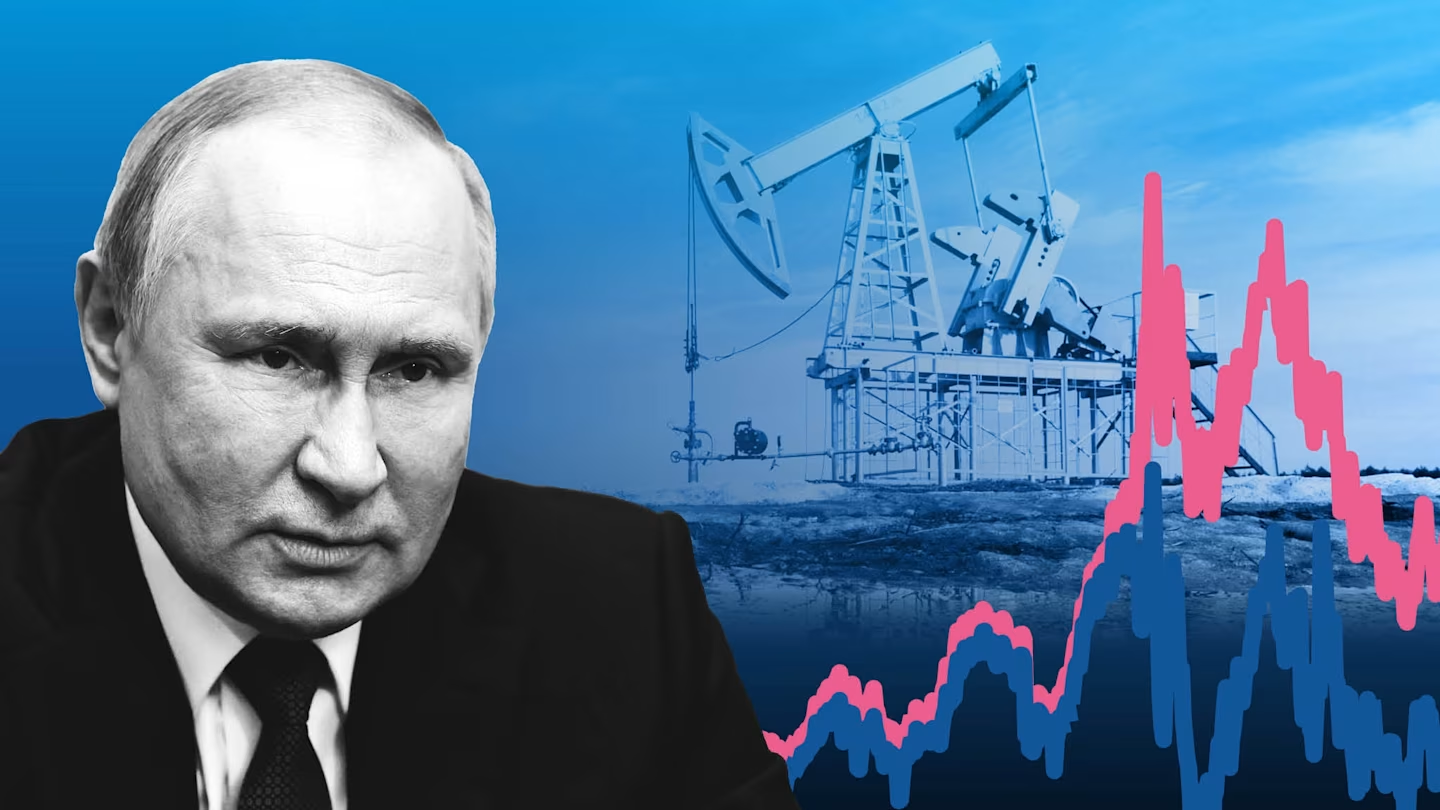
The Kremlin issued a chilling warning on Monday claiming that the end of the world has arrived following massive military strikes in the Middle East.
This statement came as the United States and Israel launched significant attacks against Iranian targets in what Moscow describes as a perfect storm.
Dmitry Peskov, the spokesperson for Vladimir Putin, said the existing framework of international law has completely collapsed.
He suggested that the planet is entering a period of unprecedented chaos where established rules no longer apply to global powers.
Russia currently appears unable to provide direct military assistance to Tehran beyond sharing intelligence on American and Israeli positions.
Despite this limitation, the Kremlin remains vocal about its support for the new Iranian leadership following the death of the previous supreme leader.

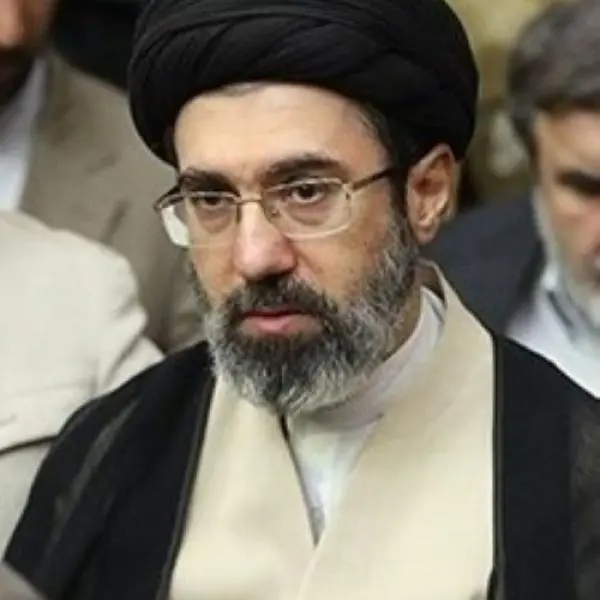
It will be recalled that the remnants of the Iranian regime on Sunday, name Ayatollah Mojtaba Khamenei, the son of the killed former leader, Ayatollah Khamenei as its new leader and head of the Islamic Revolutionary government of Iran.
A Perfect Storm and the Death of International Law
The Russian government suggests that the current global situation represents a total breakdown of the norms that governed nations since the end of the last century.
There have been worse things in human history but we weren’t alive then, so it seems to us that the end of the world is upon us, Peskov stated.
Moscow believes that the illegal invasion of Ukraine four years ago was just the beginning of this shift in the global order.
The Kremlin now argues that no nation can effectively call on others to follow principles that it believes no longer exist in practice.
Vladimir Putin recently pledged his total support to Ayatollah Mojtaba Khamenei, who took power after his father died in recent strikes.
Putin described Iran as a reliable partner and stated that Russia will maintain its solidarity with Tehran during this period of armed aggression.
This alliance between Moscow and Tehran creates a difficult situation for global diplomacy as the conflict spreads across the region.
The lack of a clear definition for new international rules makes it difficult for neutral nations to navigate the growing tension.
Global Energy Markets in Turmoil
The immediate fallout of this conflict is visible in the global energy markets where oil prices have rocketed to levels not seen in years.
Brent crude jumped by 24% in a single day, surging past the $100 per barrel threshold within minutes of the market opening.
Much of this panic stems from the near-total closure of the Strait of Hormuz, a narrow waterway where 20% of the world’s oil travels.
Iran’s Revolutionary Guard has threatened to set Western tankers ablaze if they attempt to navigate the passage.
Hundreds of ships carrying crude and liquefied natural gas are currently stuck at either end of the strait.
This bottleneck has caused European gas prices to jump by 30% as nations scramble to secure alternative energy sources before the winter months.
G7 finance ministers have scheduled an emergency meeting for this afternoon to discuss the release of strategic oil reserves.
Leaders from the world’s wealthiest economies are searching for ways to stop the economic bleeding before it triggers a global recession.
The situation mirrors previous energy shocks but with the added complexity of a direct military confrontation involving nuclear-capable powers.
If the strait remains closed, the short-term supply of energy to Europe and Asia will remain in serious jeopardy.
The Nigerian Reality and the Cost of Commuting
For the average Nigerian, this global chaos translates directly to the cost of daily survival and the price of goods in the market.
While higher oil prices usually mean more ₦ in the federation account, the lack of local refining capacity creates a double-edged sword.
A trader in Onitsha will likely see the cost of transporting containers from the ports rise as diesel prices track the global crude surge.
These costs are almost always passed down to the consumer, making basic food items more expensive for families already struggling with inflation.
The tech professional in London sending money home also feels the pinch as energy bills in the United Kingdom rise.
The British base in Cyprus was recently hit by an Iranian-made drone, showing that the conflict is physically moving closer to European soil.
This volatility puts pressure on the Naira as the demand for foreign exchange to import refined petrol increases.
Even with progress on local energy projects, the immediate shock of $100 oil threatens to destabilize the national budget in the short term.
The situation brings the importance of projects like the Super Grid back into focus as Nigeria tries to reduce its dependence on volatile global fuel markets.
Reliable domestic power becomes a matter of national security when international shipping lanes face total closure.
A Shifting Global Power Dynamic
European Commission President Ursula von der Leyen stated that the spillover of the war is now a reality that cannot be ignored.
She pointed out that European citizens are caught in the crossfire as trade disruptions and the displacement of people begin to accelerate.
Despite the chaos, the European Union plans to proceed with a 90 billion euro loan to Kyiv that was previously blocked.
Brussels appears determined to maintain its commitments to Ukraine even as a second major front opens in the Middle East.
The long-term impact of this war creates existential questions about the future of the 27-nation bloc and its place in the world.
Some leaders argue that the idea of withdrawing from a chaotic world is a fallacy that nations can no longer afford.
The alleged breakdown of the rules-based system means that every nation must now focus on its own potential and interests.
Russia has already signaled that it will focus on building up its own strength where it feels its current potential is lacking.
As the G7 meets to find a solution, the world remains on edge waiting to see if diplomacy can reopen the trade routes.
The transition from a structured international law to a period of self-interest represents a major shift in how the world functions.
The next few days will determine if the global economy can withstand a prolonged closure of the most important oil artery on the planet.
For now, the focus remains on preventing a regional conflict from turning into the total catastrophe the Kremlin has predicted.
Rate, Like 👍, Comment 💬, Share this article, Follow us on our social media handles, and Submit your own story to get featured and earn rewards!
 WhatsApp Channel
 Telegram Channel