


Nigeria’s technology leaders and electoral stakeholders are pushing for a total overhaul of how votes are counted across the federation.
This group gathered in Abuja this week to demand the adoption of blockchain technology to fix the transparency issues in the national election system.
The demand comes as the country continues to debate the reliability of digital tools used by the Independent National Electoral Commission (INEC).
Many voters still feel frustrated by the technological hiccups that occurred during the last major polls in 2023.
Experts argue that a decentralized digital record system provides the only way to stop the manipulation of results at the ward level.
They believe that current systems remain vulnerable to human interference during the transmission of data from polling units.
These stakeholders believe that switching to a blockchain model will create a permanent and unchangeable record of every single ballot cast.
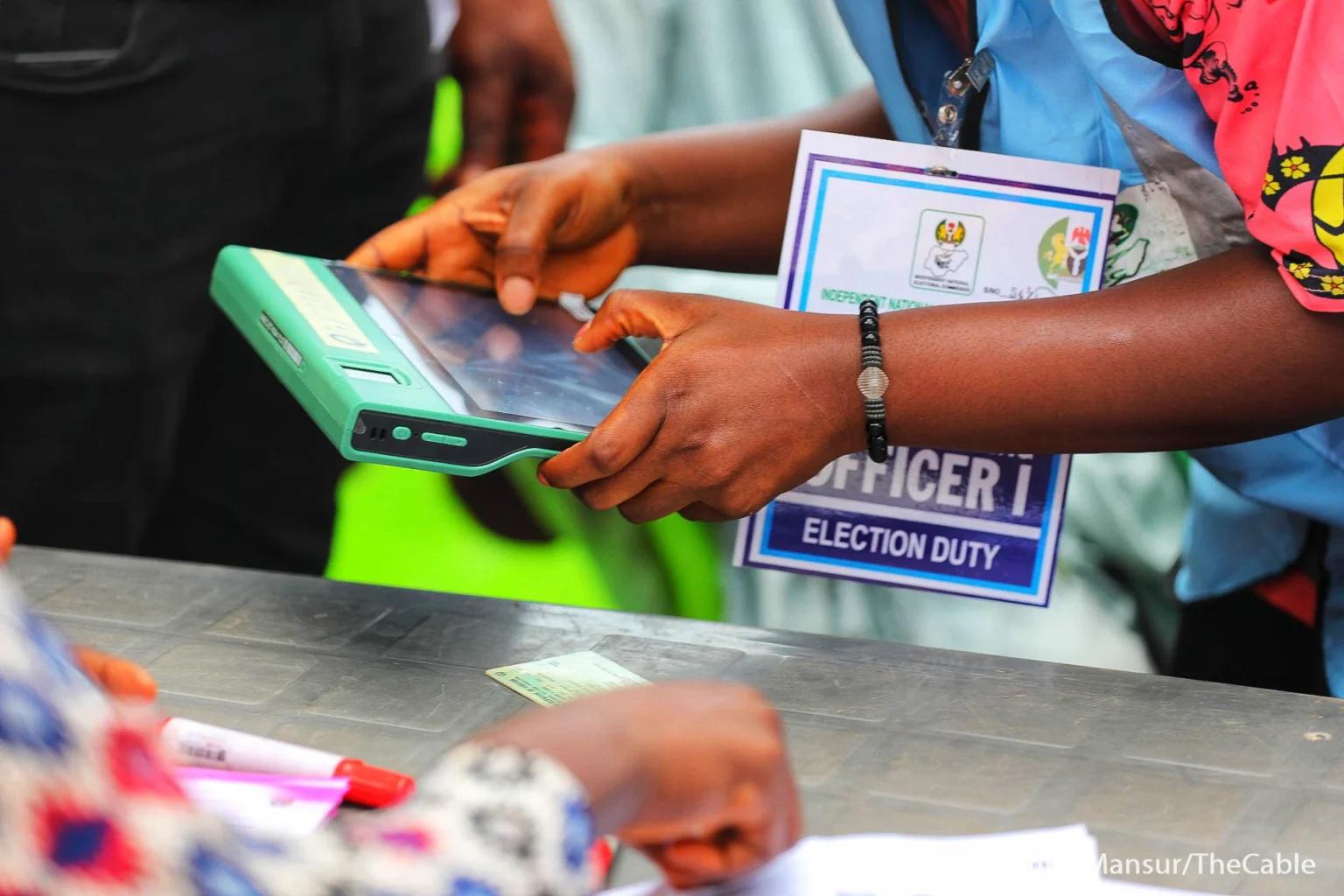
This step is seen as the next logical evolution after the introduction of the Bimodal Voter Accreditation System (BVAS).
The Failure Of Digital Trust In Recent Polls
While the BVAS and the INEC Result Viewing Portal (IReV) were intended to build trust, the alleged failure to upload results in real-time sparked widespread doubt.
The government spent billions of ₦ on these systems, yet the public remains skeptical about the final numbers released by the commission.
Technology professionals argue that the current setup relies too heavily on a central server controlled by a few individuals.
If that central server experiences a technical glitch, the entire credibility of the election falls apart in the eyes of the public.
A blockchain system would distribute the data across thousands of secure nodes, making it nearly impossible for a single actor to alter the results.
This decentralized approach mirrors the security protocols used in global finance and high-end cybersecurity projects like the Super Grid.
By distributing the data, the commission can ensure that the results seen at the polling unit match the final tally.
Stakeholders insist that this is the only way to convince the average citizen that their vote actually counts in the final selection.
How Decentralized Ledgers Stop Result Alteration
The technical details of the proposal involve creating a digital fingerprint for every vote that enters the system.
Once a vote is recorded on the blockchain, it cannot be deleted or changed without the consensus of the entire network of computers.
This means that even if a bad actor gains access to a local government office, they cannot change the numbers on the digital ledger.
The system would immediately flag any attempt at tampering, providing an audit trail that is visible to every citizen with an internet connection.
Such a system would protect the voting records of millions of Nigerians who often travel long distances to exercise their civic duty.
It would eliminate the need for long legal battles over the authenticity of paper results and manual collations.
Tech leaders pointed out that the cost of implementing this technology would be significant, likely running into several billions of ₦.
However, they argue that the cost of a failed election or a disputed mandate is much higher for the national economy.
Legislative Hurdles And Infrastructure Gaps
Adopting this advanced technology will require more than just software; it needs a solid legal foundation from the National Assembly.
Current laws provide some room for electronic voting, but they do not specifically protect the use of decentralized ledgers for result transmission.
Lawmakers must work to update the Electoral Act to recognize blockchain records as valid evidence in court during election petitions.
Without this legal backing, any technological advancement will likely be tied up in litigation for years after a vote takes place.
There is also the issue of the digital divide between the tech hubs in Lagos and the rural communities in the North.
A trader in Onitsha or a farmer in rural Kaduna needs to know that the system works even when the local network signal is weak.
Nigeria’s internet penetration stands at roughly 45%, which means millions of citizens still live in areas with poor connectivity.
The government must invest in nationwide digital infrastructure to ensure that every polling unit can communicate with the blockchain network in real-time.
The Human Impact On The Average Nigerian
For the average Nigerian, this technology is about more than just code; it is about the restoration of hope in the democratic process.
A tech professional in London who follows the news from home wants to see a country that values modern standards of accountability.
When elections are transparent, it reduces the risk of post-election violence and economic shutdowns that hurt small businesses.
A more stable political environment encourages foreign investment, which eventually helps stabilize the ₦ against the dollar and the pound.
The Onitsha trader who loses a week of business during election cycles would benefit from a faster and more credible result process.
A system that people trust leads to quicker transitions of power and less disruption to the local supply chains and market activities.
Stakeholders insist that the time for experimentation is over and the time for permanent solutions has arrived.
They believe that integrating blockchain into the electoral process will safeguard the integrity of the 2027 general elections and beyond.
Continued innovation is no longer a luxury for Nigeria; it is a necessity for the survival of its democratic institutions.
As the discussion continues, the world is watching to see if the continent’s largest economy will lead the way in digital governance.
Rate, Like 👍, Comment 💬, Share this article, Follow us on our social media handles, and Submit your own story to get featured and earn rewards!
 WhatsApp Channel
 Telegram Channel






They are talking about the new development in Nigeria