

The Independent National Electoral Commission (INEC) has proposed ₦873.778 billion to conduct Nigeria’s 2027 general elections.
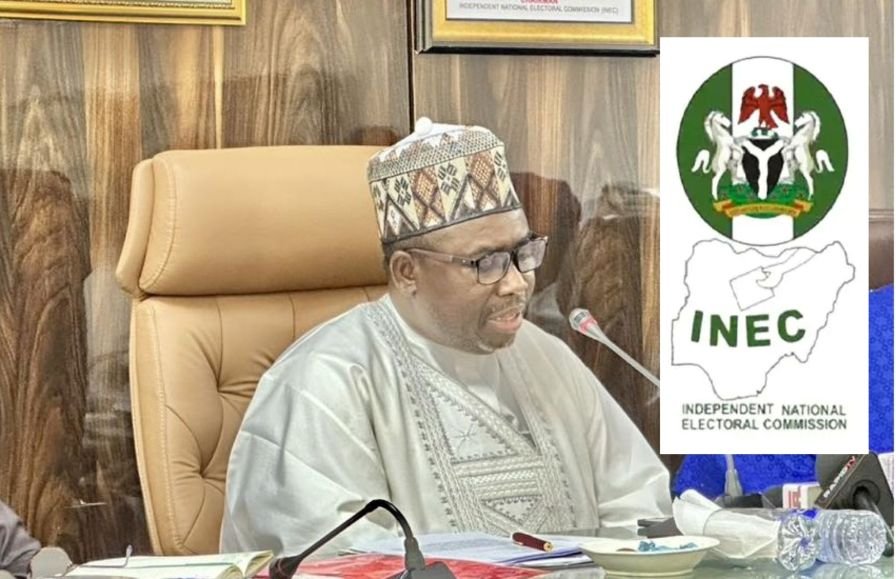
INEC Chairman, Prof. Joash Amupitan, presented the figure on Thursday while defending the Commission’s 2026 budget before the National Assembly Joint Committee on Electoral Matters.
He clarified that the election budget is separate from INEC’s ₦171 billion proposal for the 2026 fiscal year, which covers routine operations, by‑elections, and off‑cycle polls.
“The ₦873.778 billion is strictly for the 2027 general elections,” Amupitan said. He added that the figure excludes a fresh request by the National Youth Service Corps (NYSC) for higher allowances for corps members deployed as ad‑hoc staff.
Breakdown of Election Budget
Amupitan explained that the proposed election budget is structured into five components:
- ₦379.748 billion for operational expenses
- ₦92.317 billion for administrative costs
- ₦209.206 billion for technology
- ₦154.905 billion for capital expenditure
- ₦42.608 billion for miscellaneous items
He noted that the proposal complies with Section 3(3) of the Electoral Act 2022, which requires INEC to submit its election budget at least one year before a general election.
On the 2026 budget, Amupitan said the Ministry of Finance gave INEC a ceiling of ₦140 billion. However, the Commission is proposing ₦171 billion to meet obligations.
The breakdown includes ₦109 billion for personnel costs, ₦18.7 billion for overheads, ₦42.63 billion for election‑related activities, and ₦1.4 billion for capital projects.
He criticized the envelope budgeting system, arguing that it does not reflect INEC’s operational realities. He also highlighted the absence of a dedicated communications network, stressing that independent infrastructure would enhance transparency and accountability.
Lawmakers React
Senator Adams Oshiomhole (Edo North) said INEC’s sensitive constitutional mandate should not be subjected to rigid budget frameworks. “Parliament must consider INEC’s actual funding requirements to avoid underfunding,” he argued.
Edo lawmaker Billy Osawaru called for INEC’s budget to be placed on first‑line charge, with full and timely releases to ensure effective planning.
The Joint Committee approved a motion recommending one‑time release of INEC’s annual budget. It also said it would examine the NYSC’s separate ₦32 billion request to raise election duty allowances for corps members to ₦125,000.
Senator Simon Lalong, chairman of the Senate Committee on INEC, assured the Commission of legislative support. House Committee Chairman Bayo Balogun pledged backing but cautioned INEC against overpromising. “Be careful how you make promises,” he said, referencing the controversy over the INEC Result Viewing (IREV) portal in the last election.
The proposed ₦873.8 billion budget underscores the scale of Nigeria’s electoral process and raises questions about funding priorities.
Rate, Like 👍, Comment 💬, Share this article, Follow us on our social media handles, and Submit your own story to get featured and earn rewards!
 WhatsApp Channel
 Telegram Channel