

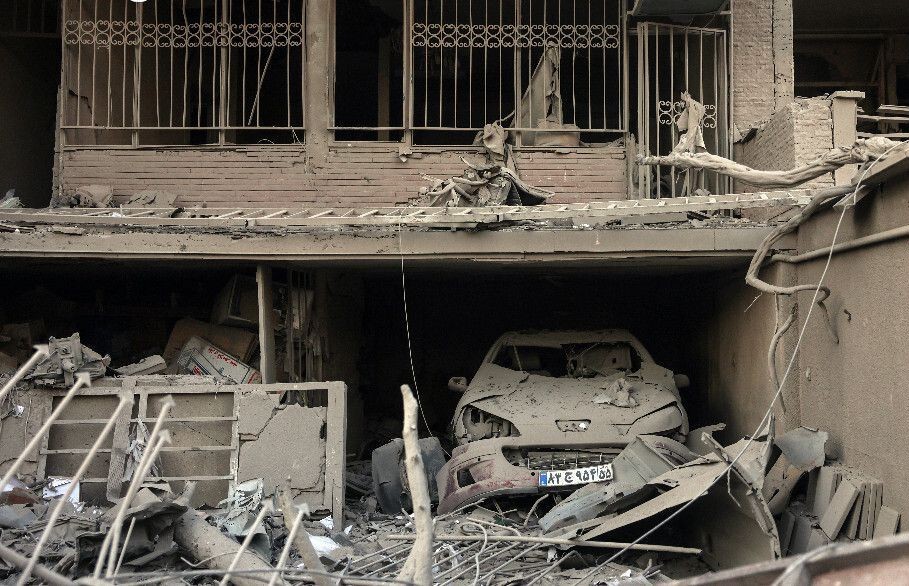
Iranian drones struck the United States embassy in Riyadh on Tuesday, escalating the fast-spreading Middle East conflict.
Saudi authorities said eight drones were intercepted across two cities, but two penetrated air defences and hit the U.S. compound.
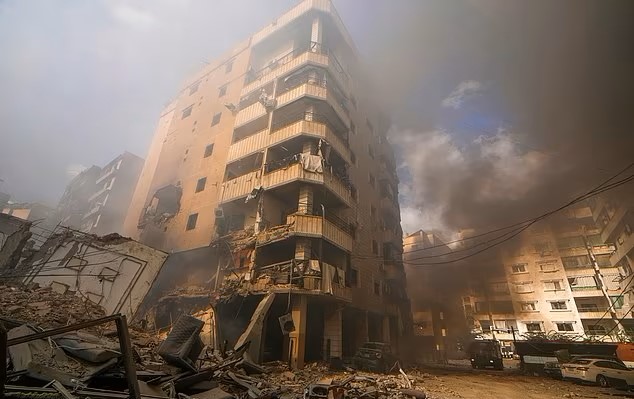
The attack caused a fire and visible structural damage. Security forces sealed off the diplomatic quarter, blocking major roads and tightening access.
The strike followed Iranian exchange of missiles with U.S. and Israeli forces. Earlier, Iran’s Supreme Leader, Ali Khamenei, was killed in the first U.S. strike pushing the country into open confrontation.
Since then, Tehran has targeted military, industrial, and diplomatic sites across the Gulf.
Rising Regional Tensions
The U.S. State Department has urged citizens to leave the Middle East immediately, citing “serious safety risks.”
President Donald Trump warned that military operations could continue for weeks and did not rule out deploying ground troops.
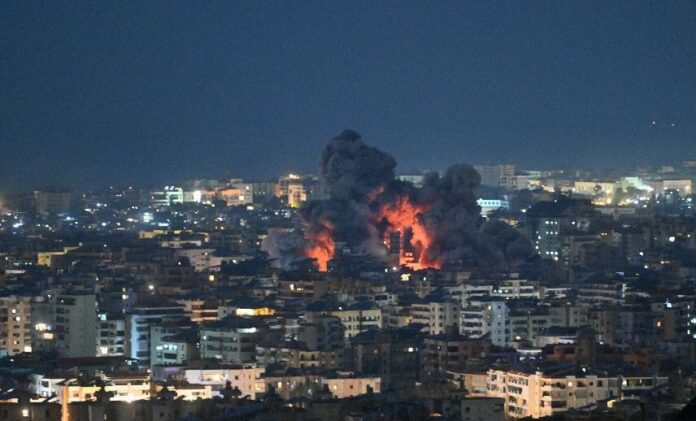
Explosions were also reported overnight in Tehran, while satellite imagery showed damage to Saudi Aramco-linked infrastructure. Brent crude prices rose as markets reacted to fears of supply disruptions.
Iran’s Foreign Minister, Seyed Abbas Araghchi, dismissed U.S. claims of an “imminent threat,” accusing Washington of choosing war in support of Israel.
Meanwhile, casualties continue to mount.
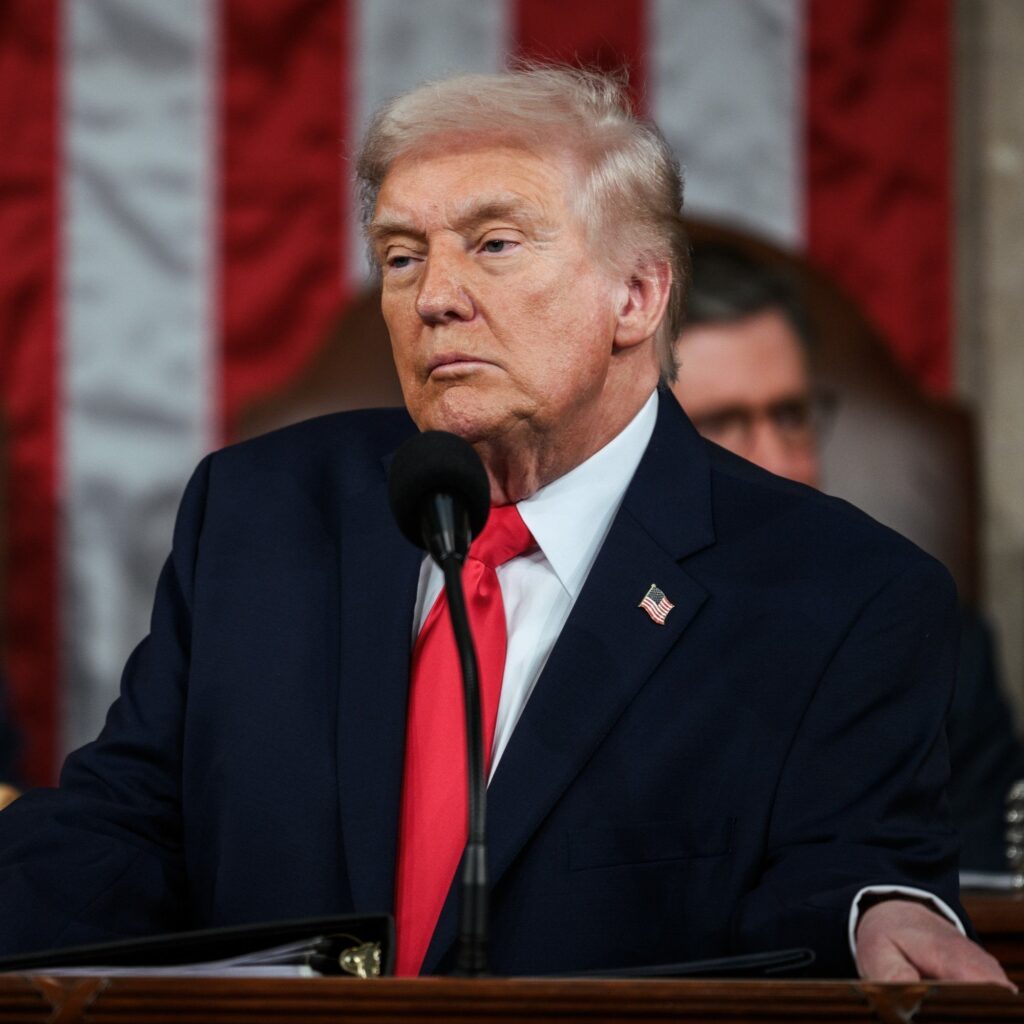
U.S. Central Command confirmed six American service members have been killed, further making the Trump war unpopular among Americans.
Iranian media reported hundreds of casualties inside the country, though independent verification remains limited.
From diplomatic compounds to oil facilities, the conflict is widening daily, raising global fears about wider security implications and unstable energy markets.