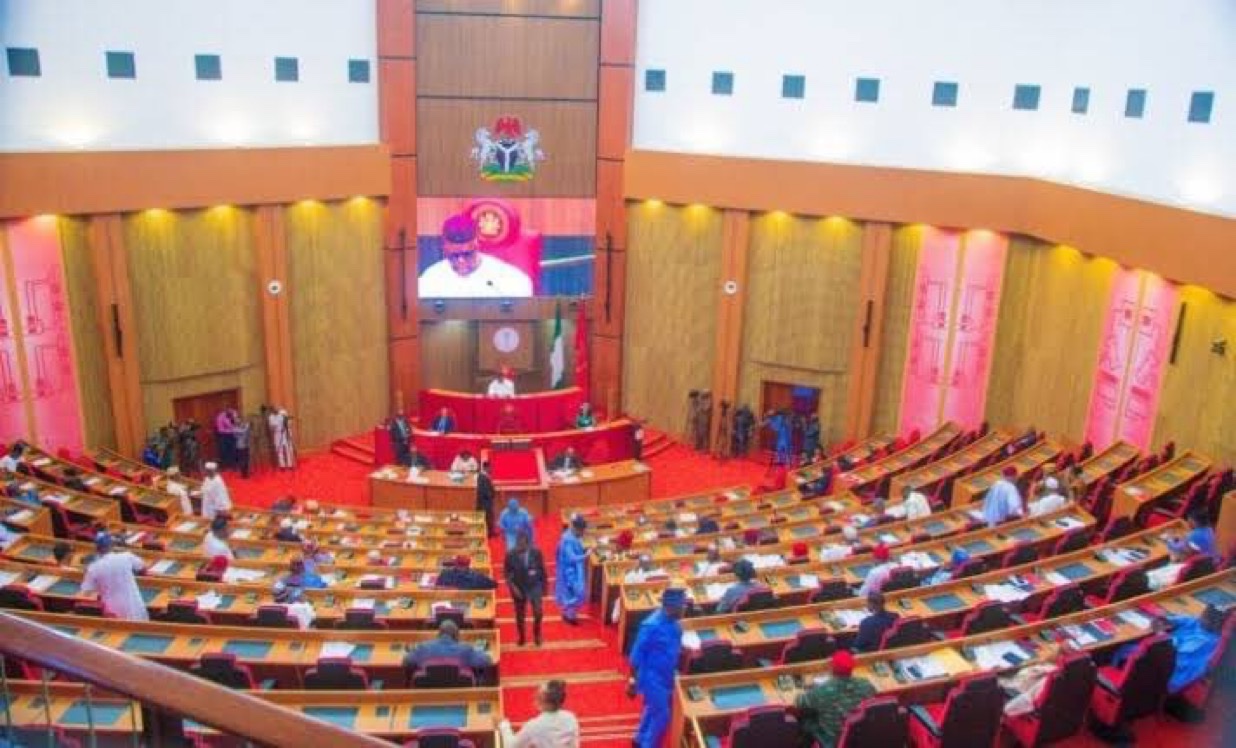






A proposed amendment before the House of Representatives could allow a spouse to seek divorce after being denied conjugal rights for at least three months.
The bill also seeks to recognise serious physical harm, emotional trauma and psychological abuse as grounds for matrimonial relief.
Sponsored by Dominic Okafor, who represents Aguata Federal Constituency of Anambra State, the proposal seeks to amend the Matrimonial Causes Act, 2004.
The bill is listed as the Matrimonial Causes Act (Amendment) Bill, 2026, with legislative reference HB.2875.
The House’s official order paper listed it for first reading on Tuesday, November 17.
What the Proposed Law Seeks to Change
According to another news outlet, Punch, the bill seeks to add the habitual denial of conjugal rights for at least three months to the circumstances a spouse may rely on when seeking divorce.
It also proposes legal grounds for relief where a spouse threatens or causes grievous bodily harm.
Emotional and psychological trauma are also included in the proposed changes.
The existing Matrimonial Causes Act provides the legal framework for marriage dissolution and other matrimonial matters in Nigeria.
A divorce is currently granted when a court is satisfied that a marriage has broken down irretrievably under the conditions provided by the law.
The proposed amendment seeks to expand the legal provisions available to spouses seeking matrimonial relief.
Bill Has Not Become Law
The proposal is still at an early stage in the legislative process.
Its first reading only formally introduced the bill to the House. It must pass further readings, debate, committee consideration and approval by the National Assembly before it can be sent to the President for assent.
The bill’s formal title is: “A Bill for an Act to Amend the Matrimonial Causes Act (MCA), Cap M7, Laws of the Federation of Nigeria, 2004, and for Matters Related Thereto.”
Until the legislative process is completed and the President assents to it, the proposed grounds do not become new legal grounds for divorce.
The proposal has attracted public attention because of its treatment of marital intimacy and the inclusion of emotional and psychological trauma in matrimonial proceedings.