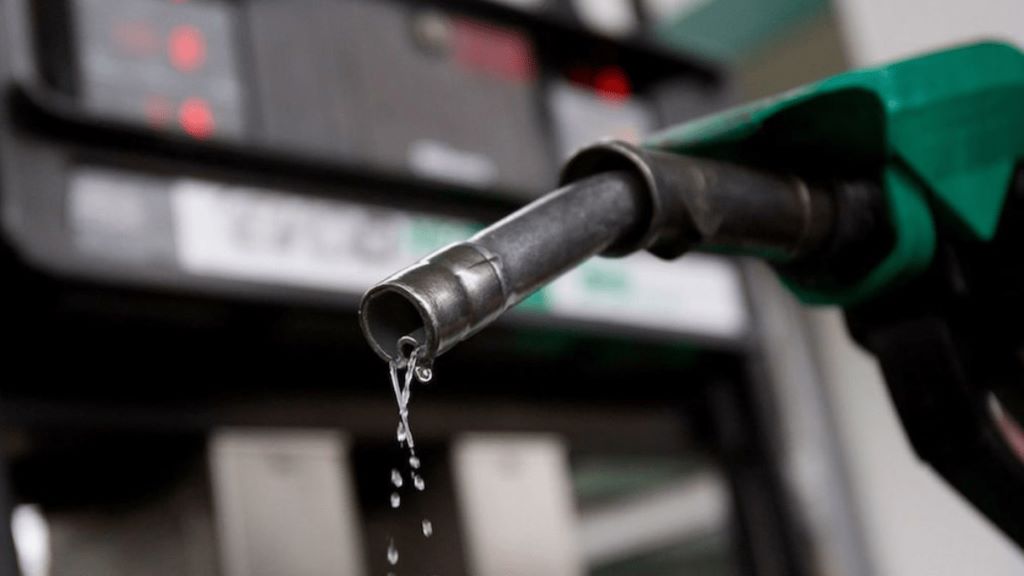



When crude oil prices shot up earlier this year, Nigerian fuel dealers wasted no time passing the cost to consumers at the pump. Now that prices have fallen sharply, those same dealers appear to be in no hurry to return the favour.
The Federal Competition and Consumer Protection Commission (FCCPC) issued a pointed warning on Sunday, June 29, 2026, directed at operators across Nigeria’s downstream petroleum sector.
The Commission said its market surveillance had found that price reductions by local refiners, depot operators, and retail outlets had been “marginal and far below current global crude oil prices.”
The warning came from the Commission’s Executive Vice Chairman and Chief Executive, Tunji Bello, whose statement was released through FCCPC spokesman Ondaje Ijagwu. Bello was direct about what his agency had observed and what it was prepared to do about it.
“We are concerned that while dealers often respond swiftly by hiking pump prices whenever crude prices rise, it is curious that it is taking forever for consumers to benefit significantly when crude prices fall. Competitive markets must work fairly in both directions.”
The backdrop to the Commission’s intervention is a dramatic swing in global oil prices. International crude peaked at roughly $120 per barrel in April 2026, as military tensions escalated between the United States and Iran.
The Strait of Hormuz — the narrow waterway through which about a fifth of global oil trade passes — was threatened, sending markets into a panic.
Prices Rose Fast in April. They Have Not Fallen Fast Enough
That geopolitical shock had immediate consequences for Nigerian consumers. Local refiners and marketers moved quickly, pushing petrol prices to between ₦1,350 and ₦1,500 per litre.
Diesel climbed to around ₦2,000 per litre. Both figures represented a steep jump from the ₦800 to ₦900 per litre that Nigerians paid for petrol as recently as February 2026.
Since then, however, the situation has reversed. A ceasefire between Washington and Tehran led to the reopening of the Strait of Hormuz, and Brent crude futures fell back to around $72 to $73 per barrel — effectively where they were in February.
Despite that reversal, the FCCPC found that petrol was still selling at an average of about ₦1,200 per litre nationwide, with some local refiners setting gantry prices between ₦1,025 and ₦1,075 per litre.
The Commission acknowledged that domestic fuel prices are shaped by several factors beyond the crude price alone — including refining costs, foreign exchange rates, logistics, financing, and distribution expenses.
Nevertheless, Bello maintained that competitive market conditions should have delivered faster relief to consumers.
FCCPC Draws a Clear Legal Line for Fuel Operators
Bello was careful to clarify the limits — and the reach — of the FCCPC’s authority. Nigeria operates a deregulated downstream petroleum market, meaning the government does not set or approve fuel prices. The Commission does not have the power to fix what dealers charge at the pump.
What it does have, however, is the authority to act against anti-competitive conduct and consumer exploitation under the Federal Competition and Consumer Protection Act, 2018.
“To be clear, the Commission does not regulate or approve petroleum prices in a deregulated downstream market. Our responsibility under the Federal Competition and Consumer Protection Act, 2018, is to promote competitive markets, prevent anti-competitive conduct, and protect consumers from unfair, deceptive, and exploitative business practices.”
He added: “Market liberalisation does not diminish businesses’ obligations to compete fairly or consumers’ right to fair treatment. Where credible evidence indicates conduct that undermines competition, exploits consumers, or otherwise contravenes the Federal Competition and Consumer Protection Act, the Commission will investigate and take appropriate enforcement action.”
Bello called on Nigerian consumers to report suspected anti-competitive behaviour, misleading pricing, and other unfair market practices through the FCCPC’s official complaint channels, assuring that every credible complaint would receive attention.
Nigerian fuel dealers raised prices within days when crude hit $120 — but now that crude is back at $73, pump prices have not moved. If this is what a “deregulated, competitive market” looks like in Nigeria, who is the deregulation actually working for?