



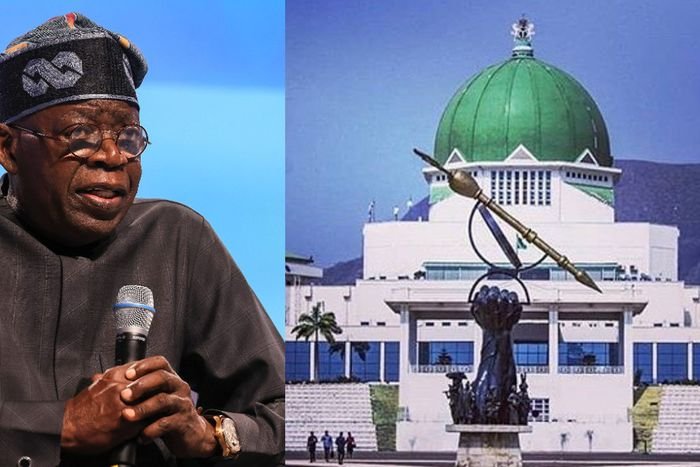
President Bola Tinubu has transmitted a constitution alteration bill to the Nigerian Senate, formally launching the legislative process to establish state police across the country.
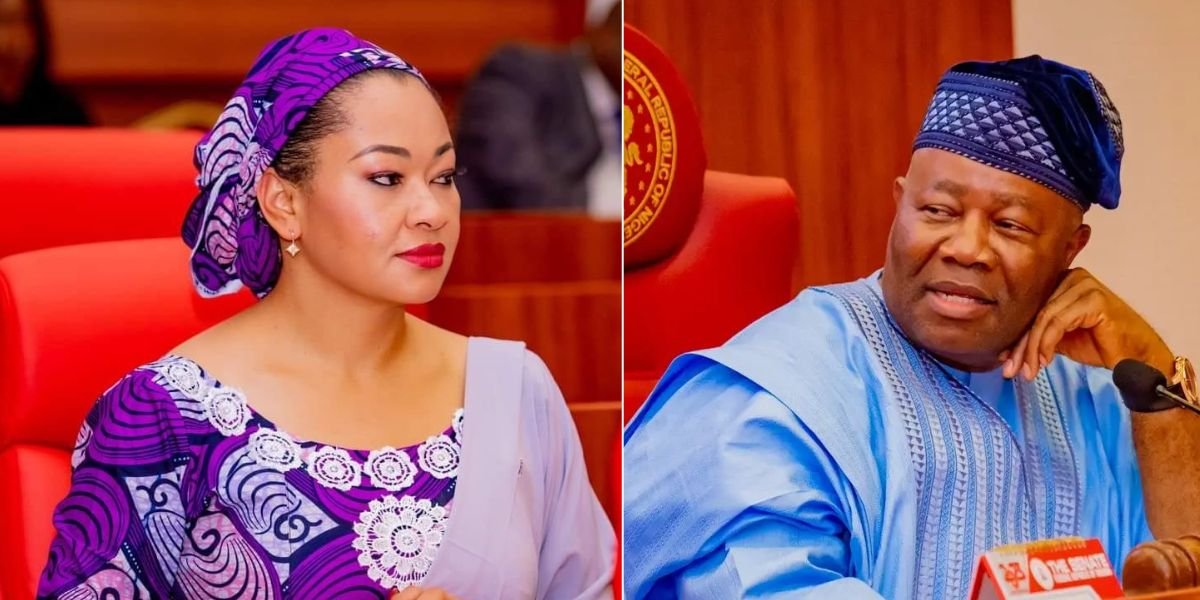
Senate President Godswill Akpabio read the communication — dated June 15, 2026 — during plenary on Tuesday, June 23.
The bill proposes a dual policing structure, allowing individual states to establish and operate their own police services alongside the existing federal Nigeria Police Force.
Under the arrangement, communities, municipalities, and local government areas would take on more direct policing responsibilities — a significant departure from Nigeria’s current centralised model, which has long been criticised for slow response times and poor local intelligence.
Akpabio immediately referred the bill to the Senate Committee on Constitutional Review and directed it to report back on Wednesday, June 25, signalling the chamber’s intent to move quickly.
Two-Phase Plan and a Critical Vote Ahead
Speaking after the referral, Akpabio outlined how the bill would be implemented.
“We will do it in two phases through alteration and an Act of Parliament. There will be a lot of safeguards; let us come and do this important task. It is extremely important that we come tomorrow,” he said.
The first phase requires a constitutional alteration — which, under Nigeria’s constitution, demands a two-thirds supermajority of the Senate and at least two-thirds of the 36 State Houses of Assembly.
The second phase would follow with a standard Act of Parliament to operationalise the structure.
Akpabio was candid about what is needed from his colleagues.
“We need a minimum of two-thirds of members to vote on constitutional alterations. The issue of state police is non-partisan and cuts across geopolitical zones and interests,” he said.
He also made the security case for local policing, arguing that community-level officers would be better placed to detect threats early.
“You will know when foreigners infiltrate Nigeria and alert security agencies so they can react proactively rather than reactively,” he said.
This bill builds directly on an executive state police proposal the Senate passed for second reading barely two weeks ago. Tuesday’s constitutional alteration bill now provides the legal bedrock that earlier legislation lacked.
Plenary proceedings were otherwise brief, out of respect for the death of House of Representatives member Yahaya Tongo from Gombe State.
Follow JolibaLive News for live updates on Nigeria’s state police legislation.

 WhatsApp Channel
 Telegram Channel