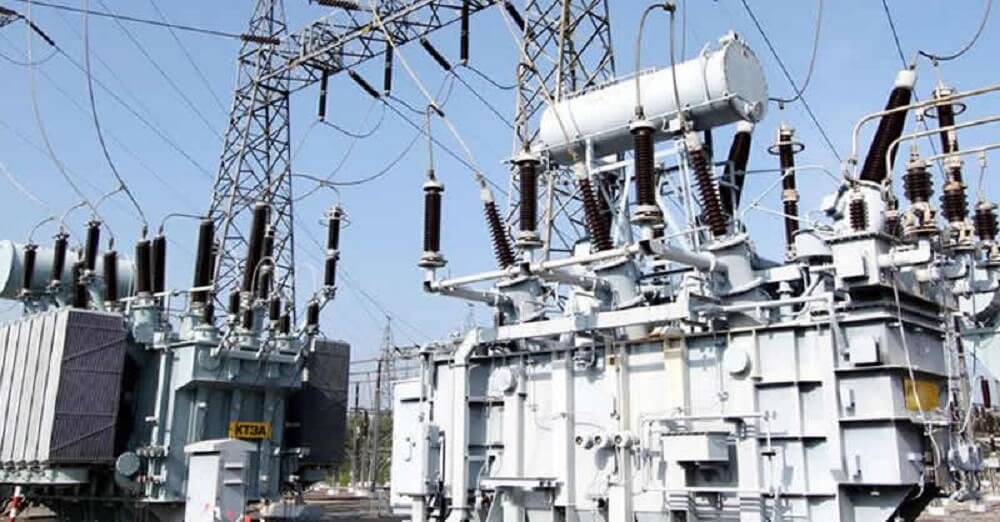


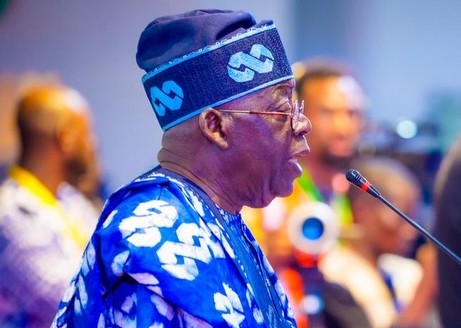
President Bola Tinubu has approved a ₦3.3 trillion payment plan to clear long-standing debts in Nigeria’s power sector, aiming to improve electricity supply and restore investor confidence.
The development was confirmed on Sunday by the Special Adviser to the President on Information and Strategy, Bayo Onanuga.
“Following verification, ₦3.3 trillion has been agreed as a full and final settlement, ensuring a fair and transparent resolution,” the statement partly read.
The debts cover liabilities accrued under the Presidential Power Sector Financial Reforms Programme over a 10-year period from February 2015 to March 2025.
Implementation has begun, with 15 power generation companies signing settlement agreements valued at ₦2.3 trillion.
“The Federal Government has so far raised ₦501 billion to fund the initiative, of which ₦223 billion has already been disbursed,” the statement added.
Restoring Confidence Across the Power Sector
Special Adviser on Energy to the President, Olu Arowolo-Verheijen, explained the plan’s significance beyond debt clearance.
“This programme is not just about settling legacy debts. It is about restoring confidence across the power sector, ensuring gas suppliers are paid, power plants can keep running, and the system begins to work more reliably,” she said.
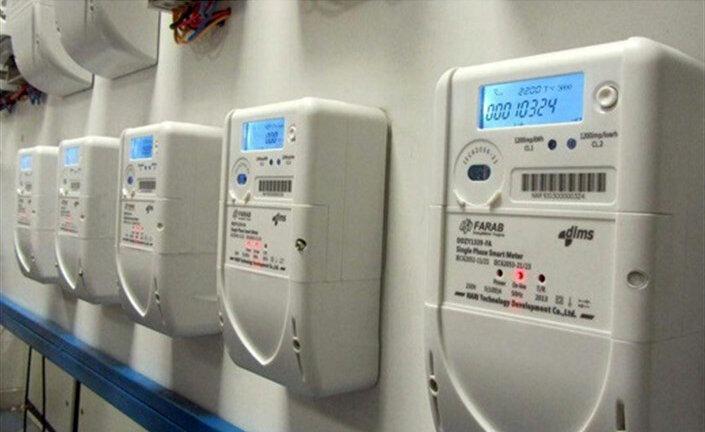
The initiative is linked to broader sector reforms, including improved metering and service-based tariffs that tie payment to electricity quality.
“The government is also prioritising power supply to businesses, industries, and small enterprises because reliable electricity is critical to creating jobs, supporting livelihoods, and growing the economy,” Arowolo-Verheijen said.
“The goal is simple: more reliable power for homes, stronger support for businesses, and a system that works better for all Nigerians,” she added.
The presidency indicated that settling the debts will enhance liquidity across the power value chain, leading to more stable electricity generation and improved service delivery.
President Tinubu commended stakeholders for their roles in resolving the long-standing issues and confirmed that Series II of the programme will start within the current quarter.
Economic Losses Linked to Power Failures
Nigeria’s electricity supply remains fragile, marked by frequent grid collapses, low generation, and persistent outages affecting homes and businesses.
A 2024 Africa Trade Barometer report revealed Nigeria loses an estimated $26 billion annually to power failures, with businesses spending around $22 billion on off-grid fuel to compensate.
“Economic losses arising from Nigeria’s electricity shortages are estimated to be USD 26 billion annually, without accounting for spending on fuel for off-grid generators, which is estimated to be a further USD 22 billion,” the report stated.
“In Nigeria, surveyed businesses must contend with a national grid that frequently collapses as it fails to meet a daily peak demand nearly four times its generation capacity,” it added.
The new payment plan is expected to inject stability, improve electricity reliability, and reduce the cost burden on businesses while fostering investor confidence.
Rate, Like 👍, Comment 💬, Share this article, Follow us on our social media handles, and Submit your own story to get featured and earn rewards!
 WhatsApp Channel
 Telegram Channel