

The Federal Government of Nigeria has restated its commitment to building an inclusive, equitable, and future-ready education system, positioning youths as active partners in transforming the nation’s learning landscape.
The announcement was made to commemorate the 2026 International Day of Education.
In a statement signed by Boriowo Folasade, Director of Press at the Federal Ministry of Education, the government acknowledged persistent challenges such as access gaps, learning poverty, skills mismatches, and gender disparities.
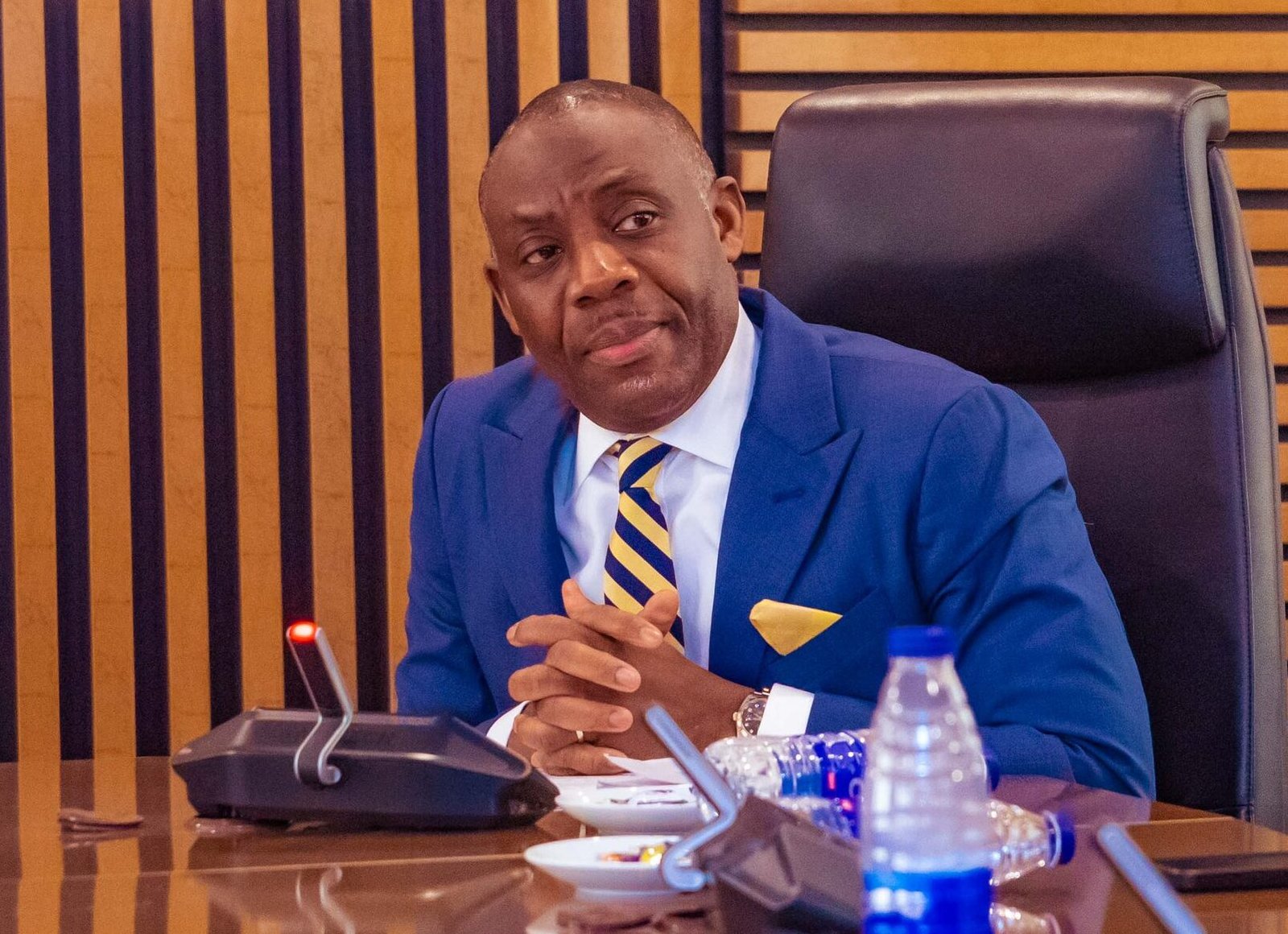
Speaking at the Abuja celebration themed “The Power of Youth in Co-creating Education,” the Honourable Minister of Education, Dr. Maruf Tunji Alausa, CON, described education as the foundation of civilisation, peace, and sustainable development.
He noted that ongoing reforms are anchored on President Bola Tinubu’s Renewed Hope Agenda, which places education at the centre of national renewal, economic growth, and social transformation.
Alausa highlighted improved funding through increased budgetary allocations, innovative non-budgetary financing, and strengthened partnerships with international development organisations. These, he said, provide the resources needed to implement bold reforms.
Key Interventions in Education
The Minister outlined interventions under the Education Transformation Roadmap, including:
- Curriculum rationalisation to emphasise critical thinking, creativity, and industry-relevant skills.
- Accelerated digitalisation through smart learning platforms and national education data systems.
- Strengthened teacher capacity for modern pedagogy and artificial intelligence.
- Expanded technical and vocational education (TVET).
- Improved infrastructure across schools.
- Introduction of a National Anti-Bullying Policy to guarantee safe and inclusive learning environments.
He stressed that with over half of Nigeria’s population under 30, the country’s greatest strength lies in its youth.
Youth as Co-Creators
The Ministry is transitioning education from traditional top-down models to participatory systems that empower learners as co-creators.
This includes innovation hubs, digital fluency programmes, feedback mechanisms, and skills aligned with the 21st-century economy.
Highlighting measurable achievements, Alausa cited the rollout of the Nigerian Education Sector Renewed Initiative (NESRI), deployment of TVET learners nationwide, expanded medical and STEMM enrolment, refocused scholarship opportunities, student venture capital funding, and targeted interventions for out-of-school and Almajiri children.
He also noted progress in inclusion, such as integrating thousands of children into formal and non-formal education, expanding girl-child education through the AGILE programme and LUMINAH 2030 Initiative, and strengthening school safety frameworks.
Call for Collaboration
Reaffirming Nigeria’s commitment to Sustainable Development Goal 4 (SDG 4), Alausa urged parents, communities, civil society, the media, and the private sector to collaborate with government in establishing innovation hubs, laboratories, and skills centres.
“By empowering our youth to co-create education, we are not merely reforming classrooms; we are safeguarding Nigeria’s future, strengthening national unity, and unlocking the full potential of the next generation,” he said.
The Minister concluded by commending Nigerian teachers for their resilience, urging students to continue shaping education policy through innovation, and reiterating the administration’s commitment to lifelong learning opportunities for all.
Rate, Like 👍, Comment 💬, Share this article, Follow us on our social media handles, and Submit your own story to get featured and earn rewards!
 WhatsApp Channel
 Telegram Channel