

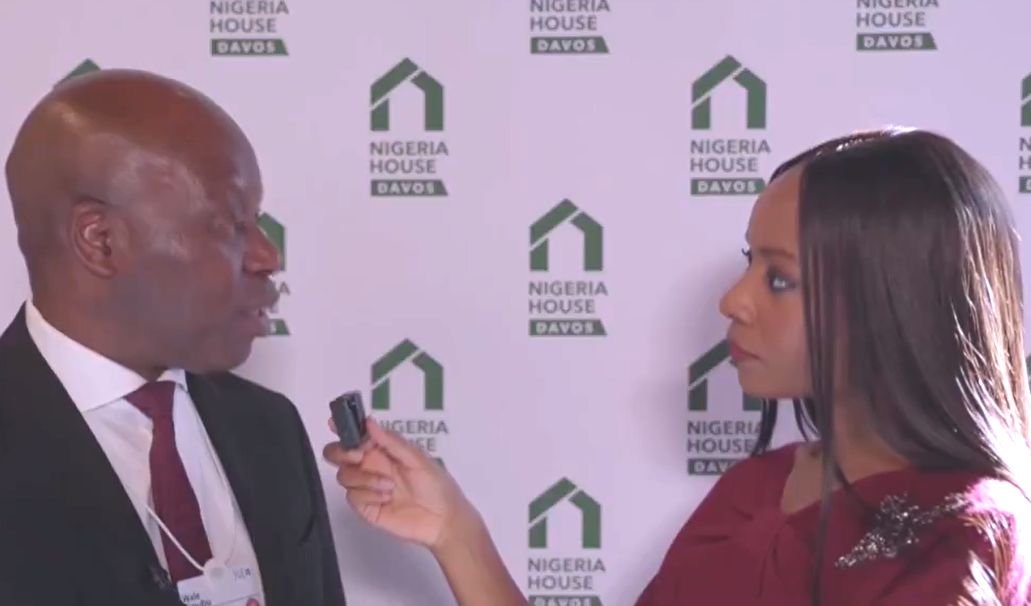
Oando CEO, Wale Tinubu, has predicted that more than half of Nigeria’s vehicles will run on electricity within the next two decades, citing the country’s abundant gas resources and the global momentum toward electric mobility.
Speaking in an interview with Arise Tv at the World Economic Forum in Davos, Switzerland, Tinubu said Nigeria is poised for a major shift from combustion engines to electric vehicles.
“I see a big movement from combustion engines to electric vehicles over the next 20 years in Nigeria. Definitely, it’s going to happen. I think in a maximum of 20 years, over 50% of our vehicles will be electric,” he stated.
He pointed to China’s rapid adoption of electric cars, noting that “one in two cars being produced are electric.” Tinubu added that Nigeria’s abundant gas reserves could be harnessed to generate cheap electricity, making the transition more feasible.
Role of Indigenous Capital
Tinubu emphasised the growing role of indigenous private capital in driving Nigeria’s economic transformation.
“What is most profound about Nigeria is the birth and emergence of private capital, indigenous capital, with what the major companies are doing. In one generation, you’re seeing Nigerians create multinationals who are opening branches all over Africa,” he said.
He praised recent government reforms, including the removal of petroleum subsidies and the floating of the naira, describing them as “hard decisions” that are already yielding results.
On insecurity, Tinubu argued that instability affects only a small fraction of Nigeria’s landmass.
“I don’t think we’re unstable in large swaths of the country. I think there’s instability probably in less than 2% of the geographical landmass of Nigeria. We need to project Nigeria, we need to project our continent. There’s wonderful things going on that the world needs to know,” he said.
Tinubu’s projection underscores optimism about Nigeria’s ability to embrace clean energy and modern mobility solutions. His remarks also highlight confidence in the country’s economic resilience, driven by private capital and reforms aimed at fiscal sustainability.
Rate, Like 👍, Comment 💬, Share this article, Follow us on our social media handles, and Submit your own story to get featured and earn rewards!
 WhatsApp Channel
 Telegram Channel