





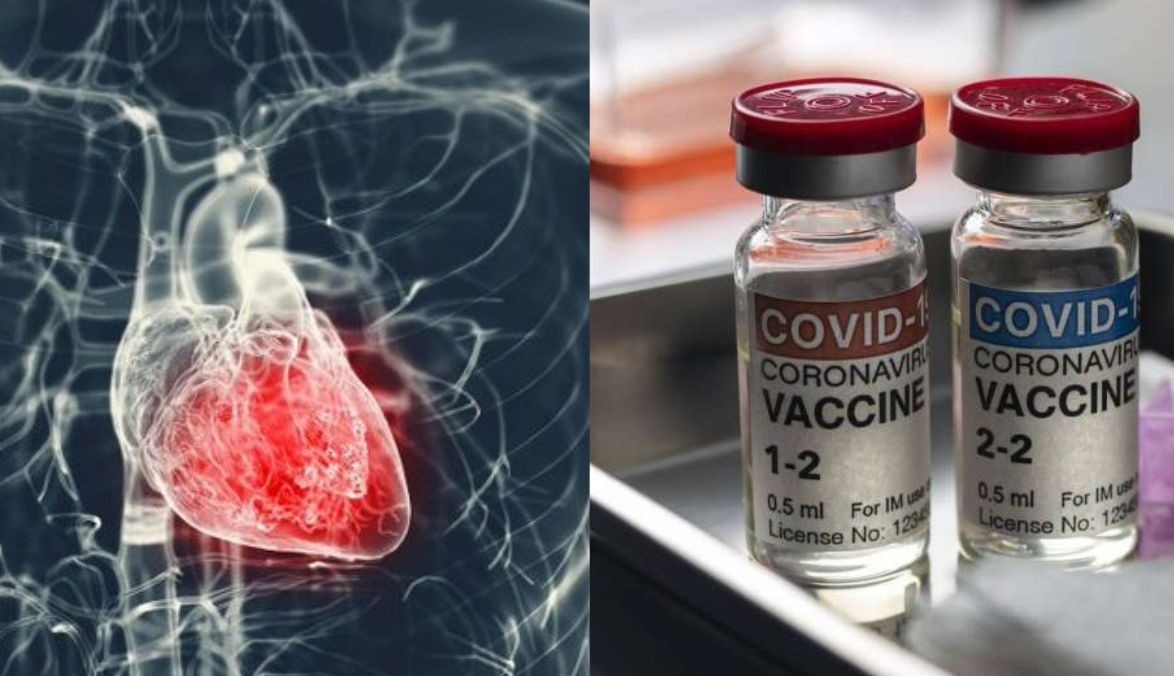
Scientists at Stanford University have shed new light on how rare cases of myocarditis — inflammation of the heart muscle — may occur after mRNA Covid vaccination.
The study, published in Science Translational Medicine, analyzed blood samples from vaccinated individuals, including those who developed myocarditis. Researchers found elevated levels of two immune proteins, CXCL10 and IFN-gamma, in affected patients.
In laboratory experiments, macrophages exposed to the vaccine released CXCL10, while T-cells produced high levels of IFN-gamma. These proteins, known as cytokines, can trigger inflammation.
Further testing in mice showed that neutrophils infiltrated heart tissue after vaccination, suggesting a pathway by which immune activation may cause damage in rare cases.
Lead researcher Dr. Joseph Wu emphasized that the findings do not undermine the overall benefits of vaccination.
“The mRNA vaccines have done a tremendous job mitigating the Covid pandemic. Without these vaccines, more people would have gotten sick, more people would have had severe effects and more people would have died,” he said.
Risk Remains Rare
Doctors stress that vaccine-related myocarditis is extremely rare. Data from multiple studies suggest rates of about one in 125,000 among people under 65, with higher incidence in young men. Most cases are mild and resolve without treatment.
By contrast, Covid infection itself carries a higher risk of myocarditis — about 21 per 100,000, according to a 2022 Italian study.
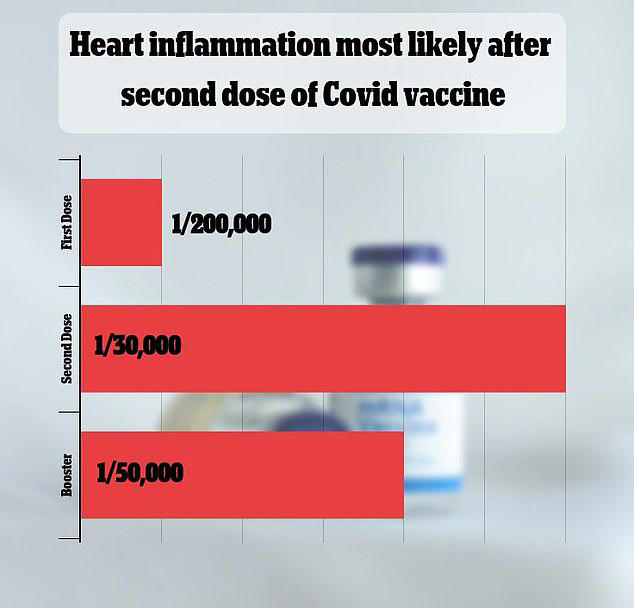
Health agencies continue to monitor vaccine safety closely. The CDC notes that while myocarditis can occur after vaccination, the risk of severe complications from Covid infection is far greater.
Dr. Wu added: “Other vaccines can cause myocarditis and inflammatory problems, but the symptoms tend to be more diffuse. The risks of mRNA-based Covid vaccines have received intense public scrutiny and media coverage.”
The Stanford study highlights the importance of ongoing research into rare side effects, while reaffirming the life-saving role of vaccines.
For scientists, the challenge is to refine understanding of immune responses and ensure that future vaccine designs minimize risks even further.

 WhatsApp Channel
 Telegram Channel