





Nigeria is continuing its full-scale evacuation of its citizens from South Africa, as anti-migrant attacks push many more to seek urgent return home.
The Federal Government says all Nigerians who registered for evacuation will be airlifted before June 30, following a directive from President Bola Tinubu.
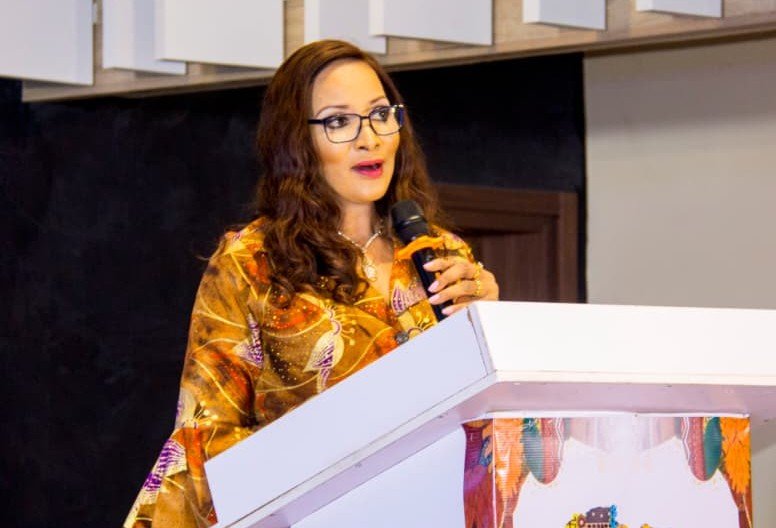
Minister of Foreign Affairs, Ambassador Bianca Odumegwu-Ojukwu, confirmed on Thursday that the operation is already underway.
The first batch of 258 evacuees arrived in Lagos on June 11 through Murtala Muhammed International Airport.
They were received by Minister of State for Foreign Affairs, Ambassador Sola Enikanolaiye, marking the start of a wider emergency response.
Nearly 1,000 Nigerians have registered, with over 742 still awaiting evacuation as flights continue in phases.
She said, “The government will not abandon any Nigerian who wishes to return.”
She added, “Every citizen who has registered and indicated readiness to come home will be evacuated before the deadline.”
The evacuation follows renewed xenophobic attacks in South Africa, where migrants, including Nigerians, have faced harassment, intimidation, and forced displacement.
Many affected individuals have lived in South Africa for years, running businesses and raising families.
She said, “When your citizens are being harassed, when they have spent years building their lives in another country, it becomes a serious concern for government.”
Diplomatic Efforts And Policy Tensions Rise
Nigeria is maintaining diplomatic engagement with South Africa while preparing further steps if conditions fail to improve.
The ministry said any future action will follow constitutional processes and established diplomatic channels.
At the same time, concerns are growing over unequal treatment between both countries despite strong economic ties.
More than 120 South African firms operate across Nigeria, including MTN, MultiChoice, Stanbic IBTC, and Protea Hotels.
She said, “We have MTN, MultiChoice, Stanbic, Protea and many other South African businesses operating freely in Nigeria.”
She added, “Nobody is demanding proof of nationality from their employees or taking over their businesses.”
She said, “Yet Nigerians in South Africa are facing a different reality.”
The minister warned that vigilante-style attacks are damaging South Africa’s global image and weakening African unity.
She referenced the ideals of former President Nelson Mandela, whose legacy promoted pan-African cooperation and inclusion.
Regional Impact And Delayed Safety Pact
The crisis is affecting travel, trade, and public events, with cancellations reported across conferences and entertainment sectors.
South Africa is increasingly viewed as unsafe for migrants, a shift that could affect tourism and investment flows.
Meanwhile, a key safety agreement between Nigeria and South Africa remains inactive.
The Memorandum of Understanding, signed in October 2025, was designed to create an early warning system during periods of tension.
However, South African authorities later said officials who signed the deal lacked proper authority, delaying its rollout.
Other African countries, including Ghana, Zimbabwe, Malawi, and Mozambique, have also begun evacuating their nationals.
The coordinated exits show that recurring xenophobic violence in South Africa is not abating, and Nigerians have now real fear for their lives.

 WhatsApp Channel
 Telegram Channel