

Fresh uncertainty has hit a fragile Middle East ceasefire deal after Switzerland postponed key follow-up talks meant to drive its implementation.
The talks were to bring together the United States, Iran, Qatar, and Pakistan at Burgenstock, a known venue for high-level diplomacy.
However, Switzerland confirmed on Friday that the meeting would not proceed as planned, dealing a setback to the agreement signed earlier this week.
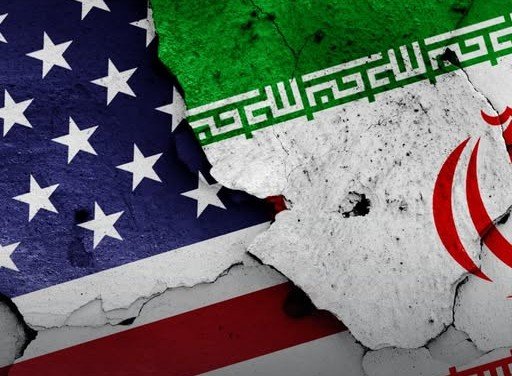
The accord, backed by US President Donald Trump and Iranian President Masoud Pezeshkian, seeks to end weeks of conflict and reopen the Strait of Hormuz.
It also includes a 60-day negotiation window covering Iran’s nuclear programme and wider regional security issues.
The Swiss Foreign Ministry confirmed the delay.
It said, “The planned talks between the US, Iran, Qatar and Pakistan have been postponed.”
It added, “Switzerland remains ready to facilitate these talks.”
It said, “The relevant preparatory work at Burgenstock is continuing.”
Meanwhile, no new date has been announced, leaving uncertainty over the next phase of diplomacy.
The postponement came hours after the White House cancelled a planned visit by US Vice President JD Vance.
A spokesperson said, “The logistics of these negotiations have never been simple or predictable.”
The official added, “We look forward to beginning technical talks as soon as possible.”
Military Actions Test Fragile Ceasefire
Despite the agreement, tensions remain high on the ground, particularly in Lebanon.
The Israeli military reported new strikes targeting Hezbollah positions in southern Lebanon on Friday.
This development casts doubt on the ceasefire’s durability, especially as the deal also covers hostilities linked to Iran-backed groups.
The conflict began with a major escalation on February 28, when an airstrike killed Iran’s long-time leader, Ali Khamenei.
His successor, Ayatollah Mojtaba Khamenei, approved the agreement but signaled reservations about its terms.
He said, “But I issued my permission due to the commitment.”
He added that officials had pledged to “protect the rights of the Iranian nation.”
He also said, “Face-to-face negotiations” would happen but would not mean “accepting the enemy’s point of view.”
Meanwhile, Iran’s chief negotiator, Mohammad Bagher Ghalibaf, warned of consequences if the deal collapses.
He said Tehran would deliver a “decisive” response to any violation.
Strait Of Hormuz Reopens Under Watch
A key part of the deal involves reopening the Strait of Hormuz, a vital global energy route.
The United States has lifted its naval blockade of Iranian ports, allowing ships to resume movement.
However, US warships remain stationed nearby to monitor the situation and ensure compliance.
Shipping activity is slowly returning, with oil and gas vessels already passing through the corridor.
At the same time, Iran has introduced new controls over transit through the strait.
According to state media, vessels must now apply for clearance through a designated authority.
Authorities also announced, “no fees whatsoever will be collected from applicants for a period of sixty days.”
The Strait of Hormuz handles a large share of the world’s oil supply, making stability there critical for global markets.
With talks delayed, military tensions lingering, and new maritime rules in place, the path to lasting peace is still bleak.