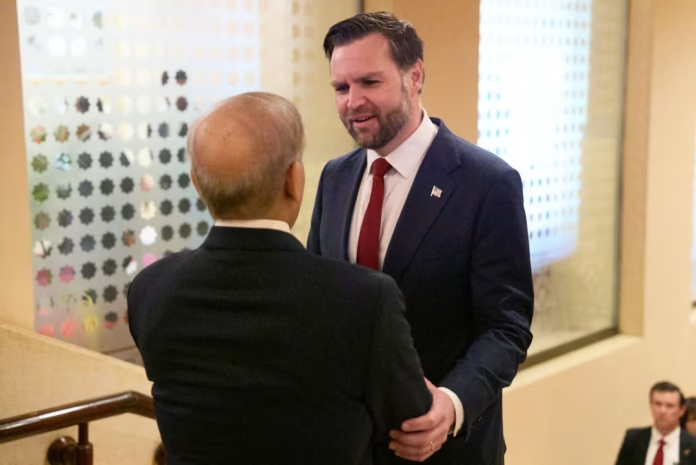
The United States and Iran failed to reach an agreement after 21 hours of direct negotiations in Islamabad, Vice President J.D. Vance announced on Sunday.
The talks, the first face‑to‑face engagement between the two nations since 2015, was intended to end the six-week-old war that has destabilised the Middle East and disrupted global oil supplies.
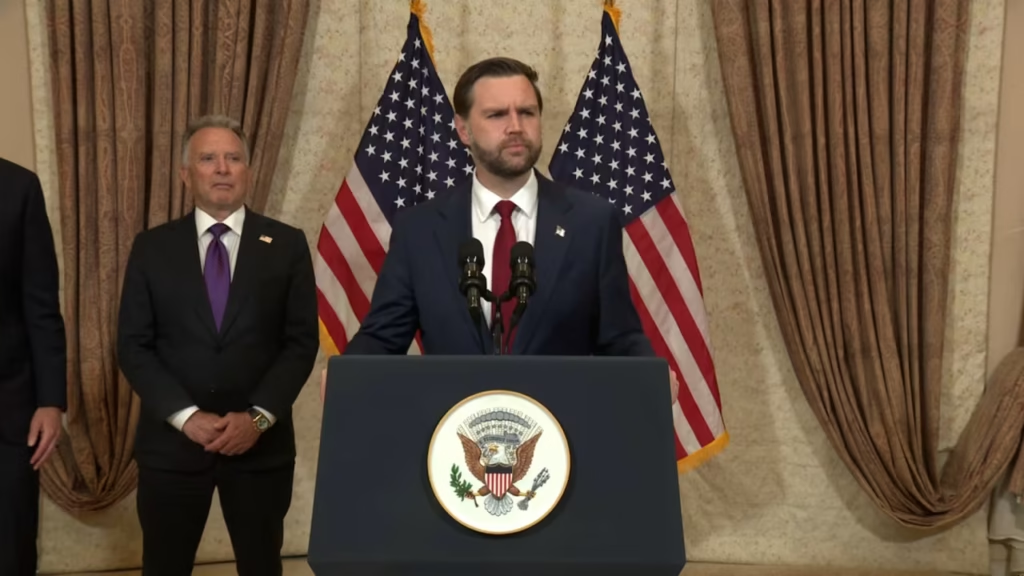
“The bad news is that we have not reached an agreement. And I think that’s bad news for Iran much more than it’s bad news for the US… they have chosen not to accept our terms,” Vance told reporters before boarding Air Force Two.
Asked about the sticking point, Vance was blunt: “The simple fact is that we need to see an affirmative commitment that they will not seek a nuclear weapon, and they will not seek the tools that would enable them to quickly achieve a nuclear weapon.”
He added that Washington had tabled a final proposal: “We leave here with a very simple proposal: a method of understanding that is our final and best offer. We’ll see if the Iranians accept it.”
The breakdown came despite a fragile ceasefire brokered by Pakistan.
Israel’s continued strikes on Lebanon and Iran’s insistence on controlling the Strait of Hormuz further complicated the talks.
Trump Orders Naval Blockade
Shortly after the talks ended, President Donald Trump posted on Truth Social: “Effective immediately, the United States Navy, the Finest in the World, will begin the process of BLOCKADING any and all Ships trying to enter, or leave, the Strait of Hormuz.”
He warned that any Iranian attack on US or civilian vessels would be met with overwhelming force: “Any Iranian who fires at us, or at peaceful vessels, will be BLOWN TO HELL!”
Trump also accused Iran of extortion: “THIS IS WORLD EXTORTION, and Leaders of Countries, especially the United States of America, will never be extorted.”
Mine-Clearing Operations Begin
Meanwhile, US Central Command confirmed that guided‑missile destroyers USS Frank E. Petersen and USS Michael Murphy had begun clearing mines allegedly laid by Iran’s Revolutionary Guards.
Admiral Brad Cooper said: “Today, we began the process of establishing a new passage, and we will share this safe pathway with the maritime industry soon to encourage the free flow of commerce.”
CENTCOM described the mission as essential to reopening the Strait of Hormuz, a vital artery for global oil shipments.
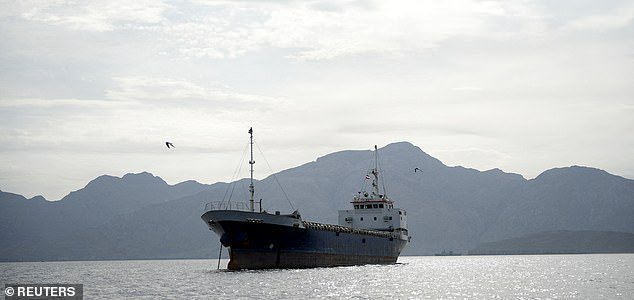
Since the outbreak of hostilities, only about 30 ships have successfully passed through the corridor.
Trump confirmed the development, stating that Washington had commenced clearing the waterway “as a favour to countries all over the world.”
Iran’s delegation, led by Parliament Speaker Mohammad Bagher Ghalibaf and Foreign Minister Abbas Araghchi, acknowledged that talks had moved to an “expert‑level stage” covering nuclear, economic, and military issues.
Committees were formed to address sanctions, maritime security, and broader regional stability.
Despite this, tensions remain high.
Iranian officials have not commented on Trump’s blockade order, but it’s been suggested from Islamabad that Tehran continues to demand recognition of its control over the Strait of Hormuz.
Regional And Global Reactions
Israeli Prime Minister Benjamin Netanyahu declared: “The campaign is not yet over, but it can already be said clearly, we have achieved historic results.”
He claimed Iran was “begging for a ceasefire” and insisted its nuclear capabilities would be dismantled either through agreement or “by other means.”
French President Emmanuel Macron urged Tehran to “seize the opportunity to pave the way for a lasting de‑escalation,” stressing the need to reopen the Strait of Hormuz and secure Lebanon.
Qatar’s Ministry of Transport announced that maritime navigation in the Persian Gulf would resume from 6 a.m. to 6 p.m. daily, though Iran has yet to confirm coordination. Fishing vessels are permitted to sail throughout the day.
According to Al Jazeera, the crisis has already pushed Lebanon’s death toll past 2,000, underscoring the wider stakes tied to the outcome of the US–Iran negotiations.
Trump’s Defiant Tone
Speaking to reporters, Trump dismissed concerns about the failure of talks: “Regardless of what happens, we win. We’ve defeated them militarily. Whether we make a deal or not makes no difference to me.”
He warned China against aiding Iran: “If China does that, China will have big problems, OK?”
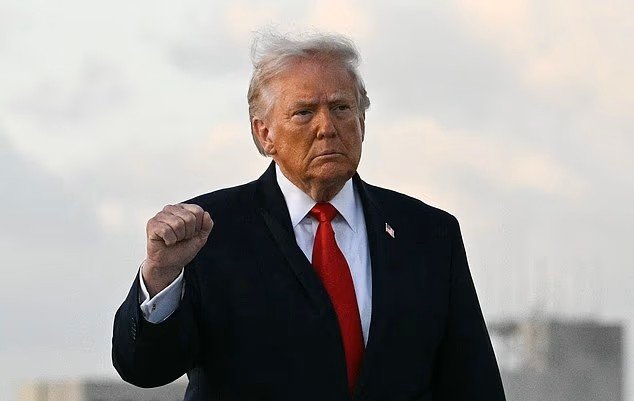
Vice President Vance confirmed that negotiations had lasted “many hours” and were still ongoing at technical levels.
The collapse of talks comes as global energy markets remain volatile.
The Strait of Hormuz handles nearly 20% of the world’s oil supply, and its closure has already driven prices upward. Analysts warn that prolonged disruption could trigger recessionary pressures worldwide.
Meanwhile, hostilities in Lebanon involving Israel and Hezbollah continue, with casualties mounting.
The fragile ceasefire between Washington and Tehran remains under strain, and regional powers are bracing for escalation.
Rate, Like 👍, Comment 💬, Share this article, Follow us on our social media handles, and Submit your own story to get featured and earn rewards!