


Nigeria’s businesses have flagged electricity shortages and insecurity as their biggest challenges in March 2026, even as confidence in the economy remains positive.
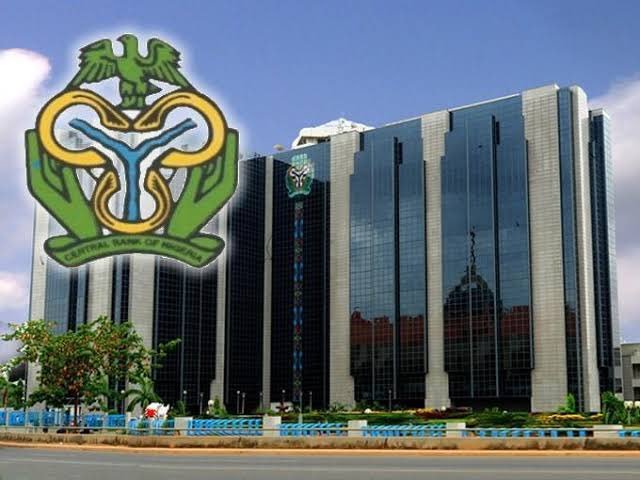
The findings appear in the latest Business Expectations Survey released by the Central Bank of Nigeria on Thursday.
The survey, conducted between March 9 and 13, covered 1,900 firms across agriculture, industry, and services, with a 99.7% response rate.
“Respondents identified insufficient power supply, insecurity, high taxes, high interest rates, and financial problems as the top constraints.”
Power shortages ranked highest with an index of 74.5, followed closely by insecurity at 70.9.
“These factors directly impact operational stability and profitability.”
Meanwhile, the report shows businesses remain optimistic despite these pressures.
The confidence index stood at 15.6 points in March and is projected to rise to 43.9 points within six months.
Power And Insecurity Dominate Business Risks
Firms across all sectors reported positive expectations for growth and expansion.
Agriculture recorded the highest optimism for the current month.
“All sectors expressed confidence in the macroeconomy.”
Regionally, the North-East posted the strongest outlook at 39.4 points.
However, the South-East recorded negative sentiment at –5.5 points.
“All regions are expected to record improved outlooks in the coming months.”
Businesses also expect increases in orders, financial conditions, and access to credit.
“Respondents expressed positive expectations for business activity and financial conditions.”
Hiring plans remain strong, with firms indicating intentions to expand workforce in April.
Mining and quarrying recorded the highest employment prospects.
Structural Constraints Continue To Weigh On Firms
Beyond power and insecurity, firms listed high bank charges and unclear regulations as major concerns.
“High bank charges, unfavourable economic climate, and unclear laws remain key constraints.”
Capacity utilisation averaged 52.5% across sectors in March.
Manufacturing recorded 54.4%, while mining and quarrying stood at 48.9%.
“Capacity utilisation reflects moderate use of installed capacity.”
On exchange rates, businesses expect the naira to appreciate against the dollar.
They also anticipate improved borrowing conditions in the near term.
Referencing reporting by Reuters, similar concerns persist about structural barriers to business growth in Nigeria.
“Overall, the findings highlight the need for improvements in energy supply, security, and the regulatory environment.”
The CBN clarified that the survey reflects the views of participating firms, not official policy positions.
As Nigeria pushes for economic recovery, businesses appear ready to expand—but still constrained by core infrastructure gaps.
Rate, Like 👍, Comment 💬, Share this article, Follow us on our social media handles, and Submit your own story to get featured and earn rewards!
 WhatsApp Channel
 Telegram Channel