

Nigeria’s Dangote Refinery reached its full capacity of 650,000 barrels per day on Tuesday, April 7, 2026, to address fuel shortages triggered by the Iran war.
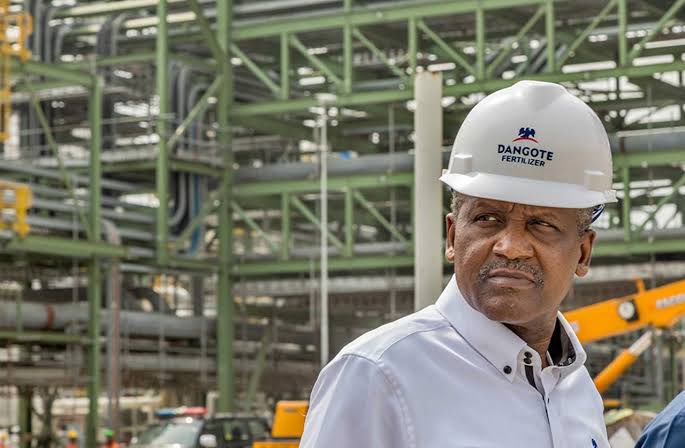
Aliko Dangote confirmed the milestone during a facility tour in Lagos. He revealed that the plant is now a central pillar for energy security in West and East Africa.
“The refinery is now running at full capacity, 650,000 barrels per day,” Dangote stated while addressing the press in the Lekki Free Trade Zone.
Consequently, the facility has already dispatched approximately 17 gasoline cargoes to various African nations. This represents a strategic shift in trade.
The company previously prioritized shipments to the United States and South America. However, the current global volatility has forced a pivot toward regional neighbors.
“We are actively supplying not just Nigeria, but much of West, Central, and even East Africa,” the billionaire industrialist alleged during the briefing.
The refinery serves as Africa's largest single-train facility. It includes a massive fertilizer plant capable of producing 3 million metric tons of urea annually.
Fertilizer supplies are currently scarce due to trade disruptions in the Middle East. Meanwhile, African nations are scrambling to find alternative agricultural inputs.
Africa Relies On Nigerian Refined Petroleum Products
Domestic fuel prices in Nigeria are at record levels despite the local refining surge. This happens because rising global crude costs offset the operational benefits.
“Exports of urea fertiliser are climbing fast, as nations scramble to secure alternative supplies,” Aliko Dangote alleged regarding the recent demand spike.
The Nigerian National Petroleum Company Limited (NNPCL) is reportedly increasing crude allocations to the refinery. This ensures the facility has consistent feedstock.
The NNPCL policy aligns with a federal push for domestic energy independence.
“More shipments are now heading to African markets, something the company wasn’t prioritizing before,” the industrialist alleged during the session.
Sourcing crude locally and pricing it in Naira remains a primary goal for the company. So, this strategy would likely ease the pressure on the national economy.
Crude Allocations And Local Currency Pricing Strategies
The Iran war has caused a 20% spike in global oil prices over the last month. This volatility makes domestic refining a critical necessity for regional stability.
“The solution could lie in sourcing more crude domestically, and crucially, pricing it in local currency to ease pressure on fuel costs,” Dangote said.
Furthermore, the refinery’s urea output provides a shield for African farmers against global price shocks. This ensures food security while trade routes remain blocked.
“The situation holds deep international significance,” the company alleged in an official document detailing the latest export figures and trade projections.
Meanwhile, the facility continues to ramp up operations in the Lekki corridor. The surrounding infrastructure is also seeing improvements to handle the export volume.
The 650,000 bpd target is a significant achievement for Nigeria’s industrial sector. It ends decades of reliance on foreign refineries for basic fuel needs.
However, Nigerians are eager to see in the coming weeks if local refining can lower prices for the average Nigerian consumer.
Rate, Like 👍, Comment 💬, Share this article, Follow us on our social media handles, and Submit your own story to get featured and earn rewards!
 WhatsApp Channel
 Telegram Channel