



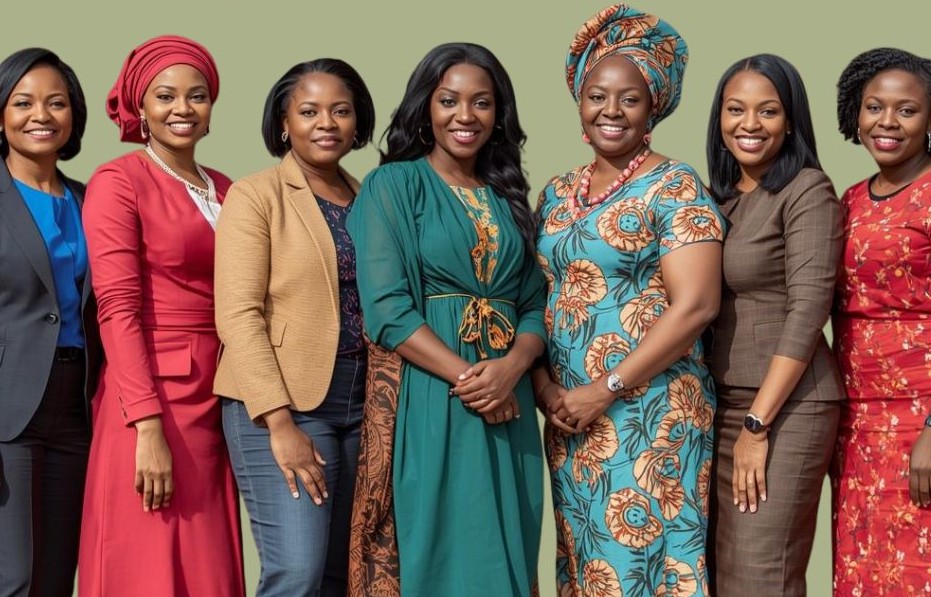
Nigeria joined the global community on Saturday to commemorate International Women’s Day across the federation. Government officials and civil society groups gathered in major cities to demand stronger action for gender equality.
These leaders gathered in Abuja to discuss ways to empower women throughout the country. Policymakers and students joined community leaders to focus on improving opportunities in leadership and business.
The Federal Ministry of Women Affairs spoke at the national event in the capital city. They called on every stakeholder to put an end to discrimination and violence against women.
Ministry representatives noted that making women stronger in the economy is vital for the growth of the nation. They suggested that social progress cannot happen without the active participation of the female population.
Economic stability remains a core focus for the current administration as it looks toward the future. Many officials believe that investing in women will lead to a more stable and prosperous society for everyone.
Presidential Promises and Economic Realities
President Bola Tinubu shared his thoughts on the importance of the day through official channels. He reaffirmed the commitment of his administration to advancing policies that support gender equality.
The President stated that women are central to the stability and growth of the country. Women play a vital role in building stronger communities and economies, the President noted during the proceedings.
He insisted that Nigeria must continue to invest in policies that promote equal opportunities for all citizens. This includes expanding access to credit for female entrepreneurs who drive the local economy.
The government pointed to several initiatives that provide financial support to small business owners. Many of these programs offer ₦50,000 grants to help women in rural areas scale their operations.
These financial steps are similar to previous infrastructure projects like the Super Grid. Both represent an attempt to build a foundation for long-term national development and economic resilience.
Securing the Future of the Girl Child
Government officials also talked about their plans to get more girls into classrooms. They believe that education is the primary tool for breaking the cycle of poverty in Nigeria.
The administration wants to see a higher percentage of women in governance and decision-making roles. Current data shows that female representation in the National Assembly remains below 10%.
Advocates at the celebration called for the immediate enforcement of laws that protect women. They want to see an end to harassment and gender-based violence in every workplace and home.
These groups requested that religious bodies and private companies work together to create safe spaces. A safer society allows women to contribute fully to the gross domestic product of the nation.
In places like Lagos and Kaduna, schools organized seminars to teach young girls about their rights. These events help prepare the next generation for leadership roles in various sectors.
Connecting the Diaspora and Local Trade
The impact of these policies reaches far beyond the borders of Nigeria. For a tech professional working in London, improvements in Nigerian gender laws mean a more stable environment for investment.
Better economic conditions at home allow the diaspora to send remittances that build lasting businesses. When women in Nigeria have better access to the ₦, the entire family unit becomes more secure.
A trader in Onitsha also feels the weight of these national conversations. If she can access lower interest rates, she can import more textiles and expand her stall at the market.
Experts believe that when a female trader succeeds, she spends more on the health and education of her children. This creates a ripple effect that improves the quality of life in local communities.
International trade ties often depend on the social stability of the partner country. Improving the status of women makes Nigeria a more attractive destination for global investors and development partners.
Legislative Teeth for Gender Protection
Several organizations used the event to ask for the passage of pending gender bills. These bills have faced delays in the past but remain a priority for many activists in the country.
The alleged lack of political will has been a point of contention for many years. Advocates argue that without legal backing, many of the government’s promises will remain unfulfilled.
Experts believe that sustained investment in health and leadership will shape the future of the nation. They point to the fact that women make up nearly 50% of the Nigerian population.
The annual observation serves as a reminder of the work that still needs to be done. While there has been progress in some areas, cultural barriers still prevent many girls from reaching their potential.
As Nigeria continues to navigate complex economic challenges and opportunities, some have argued that the success of the nation will depend on how well it integrates the talents of its female citizens.
As the celebrations come to an end, the focus shifts to the implementation of these new ideas.
Rate, Like 👍, Comment 💬, Share this article, Follow us on our social media handles, and Submit your own story to get featured and earn rewards!
 WhatsApp Channel
 Telegram Channel





Thier work is to secure girl child in the community and to help the learning of girl child