
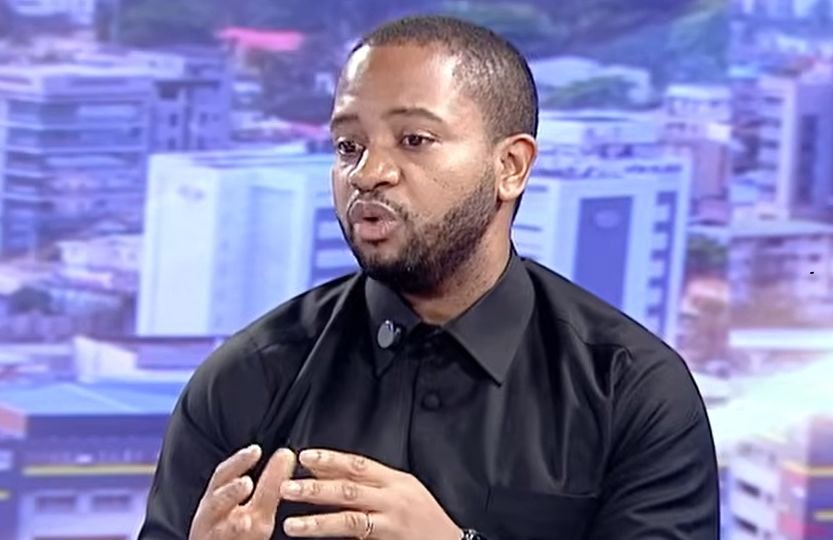
The Managing Director of the South East Development Commission (SEDC), Mark Okoye, has defended the agency’s first-year spending and activities.
He said the commission is laying the foundation to grow the South-East economy from $40 billion to $200 billion within ten years.
Speaking Monday on ARISE News, Okoye explained that the SEDC was created to serve as a long-term development platform.
He said it will mobilize large-scale investment from governments, the diaspora, and private investors rather than rely only on federal funding.
“For us at the SEDC, this represents an aspiration for 50 million Igbos worldwide and 22 million in the region,” he said.
Okoye noted that ₦5 billion was allocated to the commission in its first year. He explained that only ₦700–₦800 million had been spent so far, mainly on procurement processes, staffing, governance structures, and stakeholder engagement.
He added that donor support, including $300,000–$400,000 from UNDP, funded early activities.
Priority Programs
The Commission’s boss outlined several initiatives for the coming months.
These include regional security coordination to attract investors, industrialisation through special economic zones, and agriculture expansion with a target of 50,000 hectares of cleared land.
He said youth empowerment will be supported through a venture capital programme, while sports infrastructure will also be developed.
He acknowledged that major projects such as rail lines, gas pipelines, and ports will require billions of dollars.
Instead of direct funding, the commission will prepare feasibility studies and business plans to attract investors.
He revealed that President Tinubu approved the South-East Investment Company to mobilise capital from state governments, the private sector, and the diaspora.
Okoye said the commission aims to be financially independent within eight years, adding that sustainability and stakeholder engagement are central to its strategy.
“The greatest tool in public policy is stakeholder engagement because it creates collective ownership. That is what ensures sustainability even when governments change,” he said.
Rate, Like 👍, Comment 💬, Share this article, Follow us on our social media handles, and Submit your own story to get featured and earn rewards!
 WhatsApp Channel
 Telegram Channel