
Nigeria’s economy is facing a make-or-break year in 2026 as global tensions and domestic challenges test recent gains. That’s according to the CEO of Nigerian Economic Summit Group (NESG) Tayo Aduloju.
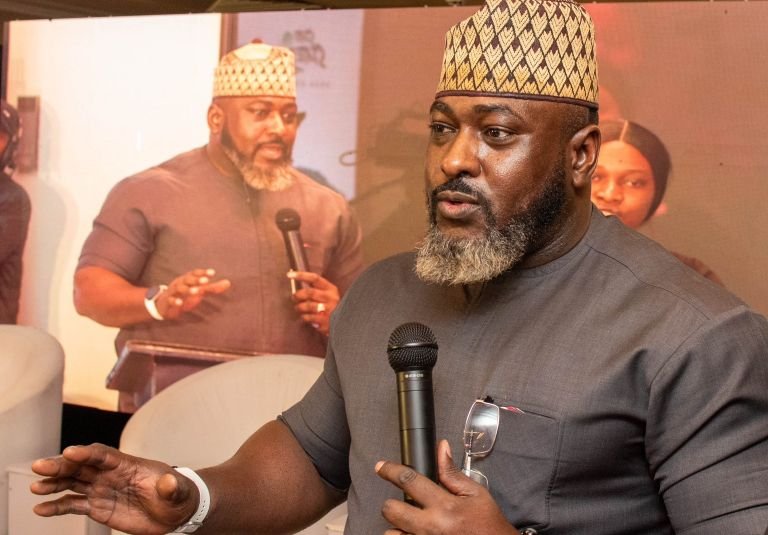
Speaking at the Nigerian American Chamber of Commerce roundtable in Lagos over the weekend, Aduloju said the country has exited its worst phase of instability but warned of rising risks.
“From a macro perspective, we are in a better place, but from a micro perspective, instability remains high,” he said.
He explained that Nigeria is moving through phases of stabilisation, consolidation, and acceleration. However, weak household conditions, high poverty, and cost-of-living pressures remain.
He cautioned that election cycles could undermine reforms, noting “This is typically the period when reform momentum is lost.”
Mr Aduloju outlined a four-pillar framework focused on macroeconomic anchoring, structural transformation, institutional deepening, and social protection. If implemented, Nigeria could achieve GDP growth of 5.5% in 2026, moderate inflation to 16%, and maintain FX stability, he predicted.
He also called for stronger trade engagement with the US and better use of the African Growth and Opportunity Act.
IMF Resident Representative Christian Ebeke agreed that Nigeria is showing resilience but is still vulnerable to shocks. He observed that FX reserves are growing even without high oil prices, a structural shift in management.
However, reliance on volatile portfolio inflows poses risks. Ebeke said Nigeria must attract more stable foreign direct investment to sustain growth.
Ebeke added that while federal election spending is now more transparent, subnational governments could introduce fiscal risks if not carefully managed.
Both experts essentially agreed that Nigeria’s progress is real but fragile, requiring discipline and investment to avoid setbacks.
Rate, Like 👍, Comment 💬, Share this article, Follow us on our social media handles, and Submit your own story to get featured and earn rewards!
 WhatsApp Channel
 Telegram Channel