


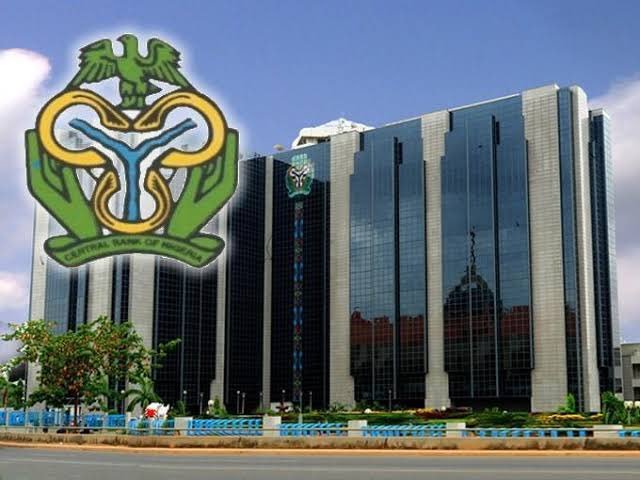
The Central Bank of Nigeria (CBN) has approved the participation of licensed Bureau De Change operators in the Nigerian Foreign Exchange Market (NFEM), granting each operator access to buy up to $150,000 weekly.
The approval was contained in a circular dated February 10, 2026, signed by Dr. Musa Nakorji, Director of the Trade and Exchange Department, and addressed to authorised dealer banks and the public.
The move comes as Nigeria battles a widening gap between official and parallel market rates, which recently crossed ₦90 for the first time in three years.
“All BDCs duly licensed by the CBN are allowed to access foreign exchange from the NFEM through any authorised dealer of their choice, at the prevailing exchange rate,” the circular stated.
Conditions for Access
The CBN said authorised dealer banks must conduct full Know Your Customer (KYC) and due diligence checks before selling FX to BDCs.
Each operator is capped at $150,000 per week, and funds must be used strictly in line with existing BDC guidelines.
“Upon completion of these requirements, foreign exchange may be sold to BDCs for utilisation in line with the existing BDC Guidelines, subject to a maximum of USD150,000 per week for each BDC,” the circular added.
To curb speculation and hoarding, the apex bank imposed stricter reporting and settlement rules.
All licensed BDCs must submit returns electronically, accurately, and on time. They are prohibited from holding unutilised FX positions, with unused balances required to be sold back within 24 hours.
Cash settlement is capped at 25% of each transaction, while third‑party transactions are banned. All FX dealings must be routed through settlement accounts with licensed financial institutions.
The CBN stressed that existing BDC guidelines remain in force, combining wider market access with tighter oversight to stabilise the FX market.
In October 2025, Nairametrics reported that BDC operators lamented near collapse after the CBN suspended dollar allocations. Many struggled to pay staff salaries, office rent, and compliance costs.
The new policy is expected to revive the retail FX sub‑sector, offering operators a lifeline while addressing distortions between official and parallel market rates.
Rate, Like 👍, Comment 💬, Share this article, Follow us on our social media handles, and Submit your own story to get featured and earn rewards!
 WhatsApp Channel
 Telegram Channel