


As 2026 approaches, millions of Nigerians at home and abroad are preparing for travel, whether for business, study, or leisure. The passport — that small but powerful document — remains central to mobility.
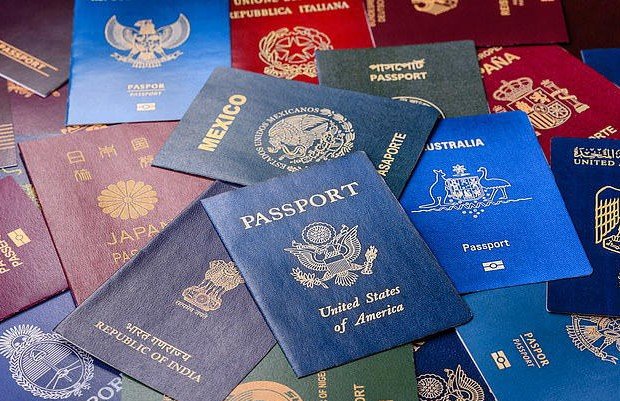
Yet despite thousands of colour possibilities, more than 90 per cent of the world’s passports are produced in just four tones: red, blue, green, and black.
Travel specialist Jamie Fraser of Wildpacks explains that these colours are not chosen at random.
Red often reflects European Union identity or historic political ties, blue dominates across the Americas, green is closely associated with Islamic nations, and black is chosen for tradition or practicality.
Nigeria’s passport, with its deep green cover, reflects both Islamic heritage and Africa’s broader association of green with agriculture, renewal, and identity.
Practicality, Symbolism, and Global Rankings
Printing experts at Carrick Signs add that darker colours are also practical: they hide dirt and wear and work better with the durable materials required for security features such as embedded fibres, anti‑tamper laminates, and UV‑resistant inks.
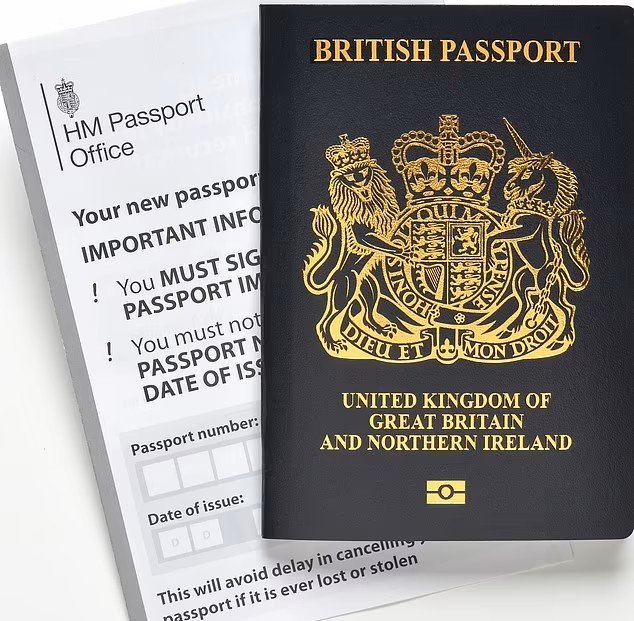
Only a handful of countries break the mould — Norway with salmon‑pink passports and Fiji with turquoise, drawn from its national flag.
But beyond colour, the true measure of a passport lies in its power ranking.
The latest Nomad Capitalist Passport Index places the UK in 35th place, Malta at number one, and countries like Greece, Ireland, and Romania scoring highly for visa‑free travel, perception, and dual citizenship rights. Cyprus rounds out the top five.
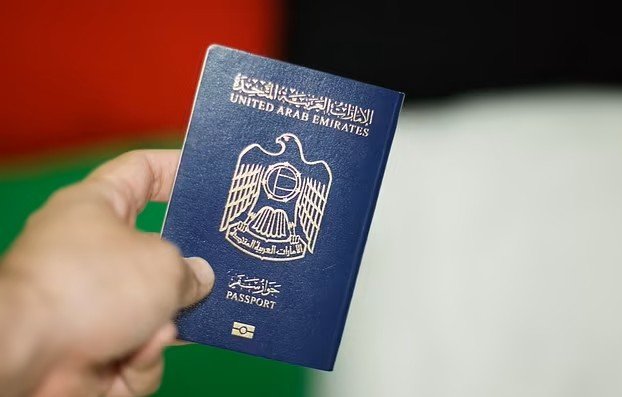
Meanwhile, the Arton Capital Global Passport Ranking shows the United Arab Emirates leading for the fourth consecutive year.
Emirati citizens can enter 133 countries visa‑free and secure visas on arrival in 47 more, giving them access to over 90 per cent of the world. Spain, Finland, France, Belgium, and Italy dominate the rest of the top ten, with France’s passport remaining the strongest among G20 nations.
The UK and US, once considered passport powerhouses, have slipped significantly. The UK fell from 22nd to 32nd in 2024, while the US dropped to 38th, its lowest in years.
Analysts point to shifting geopolitics, stricter visa regimes, and domestic policy uncertainty.
For Nigeria, the picture is more sobering. The Nigerian passport ranks near the bottom globally, offering visa‑free or visa‑on‑arrival access to fewer than 50 countries.
This limited mobility often translates into higher costs, longer queues, and tougher scrutiny at borders.
For the Nigerian diaspora, holding dual citizenship in countries with stronger passports — such as Ireland, Malta, or Cyprus — can dramatically expand travel opportunities.
Regional Trends and Implications for Nigerians
Across Asia, South Korea, Japan, and Singapore continue to perform strongly, while Central Asian nations like Kazakhstan and Uzbekistan are gradually climbing the rankings.
In the Middle East, ongoing conflicts have negatively impacted mobility scores, with governments tightening travel restrictions and visa issuances.
For Nigerians, these global shifts matter. As more countries reassess visa policies, Nigeria’s limited passport strength underscores the importance of diplomatic engagement, trade agreements, and reforms that improve global perception.
Analysts argue that boosting Nigeria’s ranking will require not just technical improvements in passport security but also broader efforts to strengthen the country’s reputation abroad.
The colour of Nigeria’s passport reflects heritage and symbolism, but its ranking defines freedom of movement.
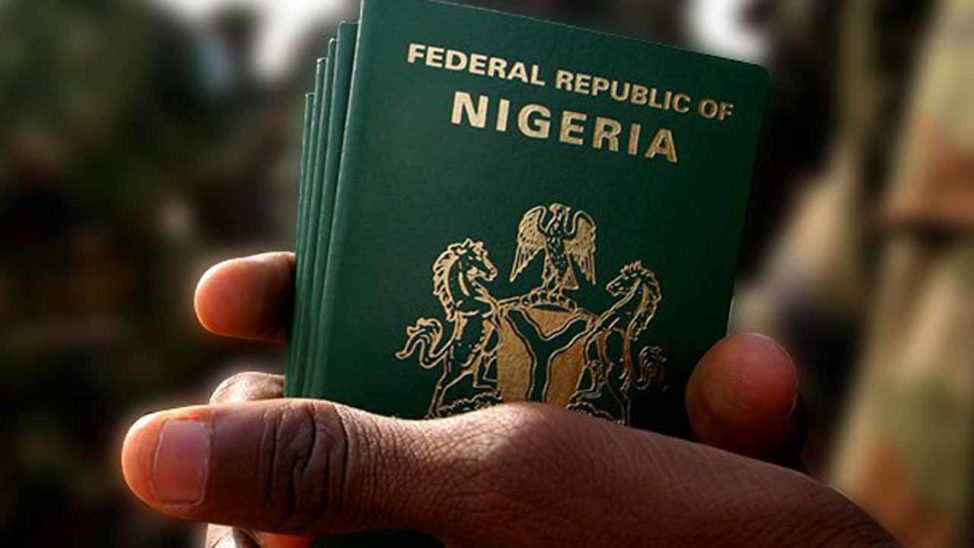
As 2026 approaches, Nigerians at home and abroad face both challenges and opportunities: navigating limited visa access while exploring dual citizenship options and pressing policymakers to enhance the passport’s global standing.
In a world where colour signals tradition but ranking determines opportunity, the Nigerian passport tells a story of resilience, identity, and the urgent need for reform.
Rate, Like 👍, Comment 💬, Share this article, Follow us on our social media handles, and Submit your own story to get featured and earn rewards!




I honestly thought before that countries with black passports all have higher visa travel. That it meant they are stronger as compared to the rest. What an eye opening information.