

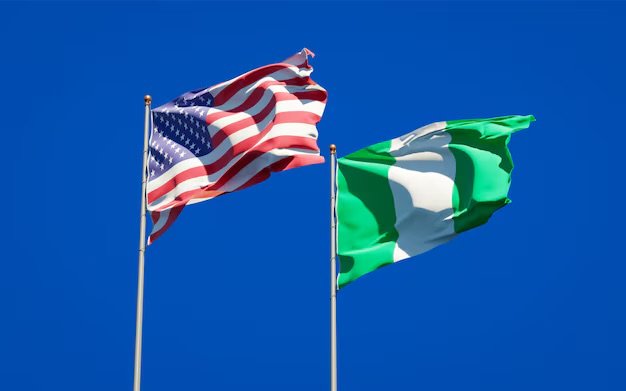
The United States has announced a partial suspension of immigrant and non-immigrant visas to Nigeria and 14 other countries, citing national security concerns linked to radical Islamic groups such as Boko Haram and the Islamic State.
The affected visa categories include B-1, B-2, B-1/B-2, F, M, and J visas, which cover business, tourism, student, and exchange programs.
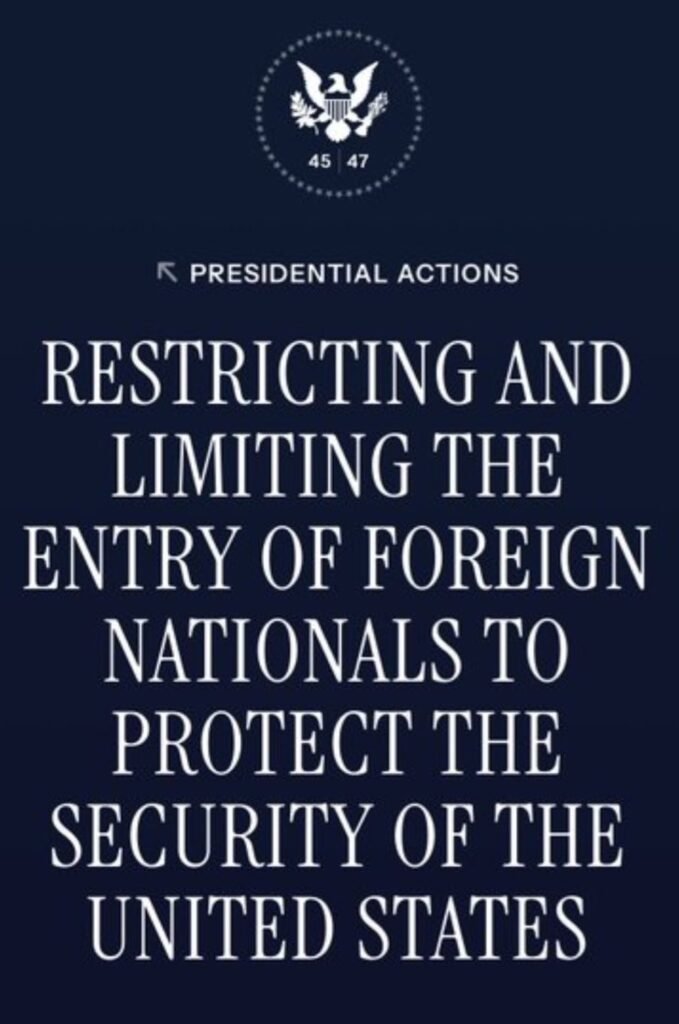
President Donald Trump signed a proclamation expanding entry restrictions on nationals from countries deemed deficient in screening, vetting, and information-sharing.
The U.S. government also referenced its Overstay Report, which showed Nigeria had a 5.56% overstay rate for B-1/B-2 visas and an 11.90% overstay rate for F, M, and J visas.
Exceptions remain for lawful permanent residents, existing visa holders, diplomats, athletes, and individuals whose entry serves U.S. national interests.
Case-by-case waivers are preserved, but broad family-based immigrant visa carve-outs have been narrowed due to fraud risks.
Nigeria Redesignated CPC, Trump’s Rhetoric Raises Tensions
The proclamation continues restrictions on nationals from 12 countries already listed under Proclamation 10949—including Afghanistan, Iran, Libya, and Somalia—while adding five more: Burkina Faso, Mali, Niger, sudan/" target="_blank" rel="noopener noreferrer">South Sudan, and Syria.
On October 31, Trump redesignated Nigeria as a “Country of Particular Concern (CPC)” for the persecution of Christians by violent Islamic groups.
In a Truth Social post, he hinted at halting all U.S. aid to Nigeria and even suggested possible military intervention, describing it as “fast, vicious, and sweet.”
Trump’s language has grown increasingly charged in recent weeks. At a rally, he disparaged African-origin immigrants, saying the U.S. should seek migrants from “Norway and Sweden” instead of what he called “shithole countries.”
The move revives travel restrictions first imposed during Trump’s initial term, which the Supreme Court upheld, ruling they fell within presidential authority and were premised on legitimate national security purposes.
In June 2025, Trump restored those restrictions with updated assessments of global vetting and security risks.
The suspension has divided public opinion with some berating the US administration while other’s praising the move as necessary to sustain pressure on Nigeria’s leaders to sort out the lingering terrorism and improve Nigeria’s standing on the world stage.
Rate, Like 👍, Comment 💬, Share this article, Follow us on our social media handles, and Submit your own story to get featured and earn rewards!
 WhatsApp Channel
 Telegram Channel