


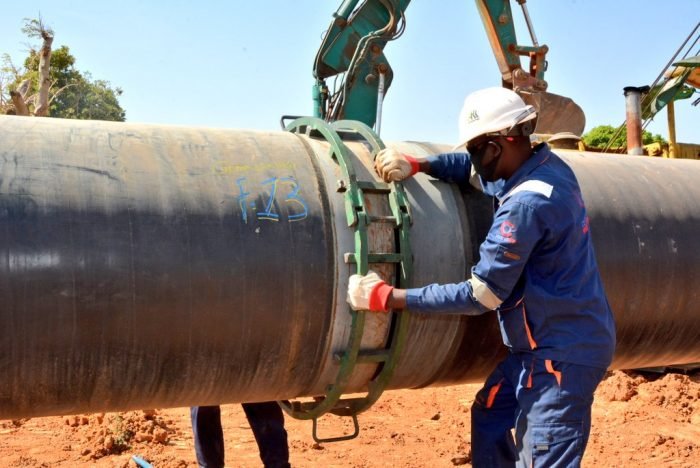
The Nigerian National Petroleum Company Limited (NNPCL) has disclosed that the Federation owes it a total of ₦17.5 trillion for pipeline protection and energy‑security operations undertaken in the 2024 financial year.
The figure, contained in the company’s newly released consolidated financial statements, has sparked calls from industry analysts for an independent forensic audit, citing persistent leakages, low crude production, and a lack of transparency within the national oil company.
According to the report, ₦7.13 trillion was spent to stabilize petrol prices when exchange‑rate pressures widened the gap between the ex‑coastal price of imported petrol and domestic pump prices.
Another major portion went toward protecting Nigeria’s oil and gas infrastructure, including pipeline surveillance, repairs, theft prevention, and other security operations.
Despite announcing a profit after tax of ₦5.4 trillion for 2024—up 64 percent from ₦3.3 trillion in 2023—the company’s statements reveal a deepening burden of energy‑security expenses.
NNPCL reported ₦8.67 trillion in under‑recovery costs (fuel subsidy‑related expenses), underscoring the strain of maintaining regulated PMS prices despite higher import costs.
Under Section 64(m) of the Petroleum Industry Act (PIA) 2021, NNPCL, acting as the “supplier of last resort,” must absorb these costs on behalf of the Federation.
The difference between PMS landing cost and regulated pump price is booked as under‑recovery, later offset against government liabilities or recorded as receivables.
The company opened 2024 with an under‑recovery balance of ₦6.25 trillion, which rose sharply by year‑end.
An additional ₦8.84 trillion was recorded under “Other Receivables from Federation,” covering government advances and extra security spending.
Questions Over Subsidy and Transparency
The disclosures raise eyebrows about President Bola Tinubu’s May 29, 2023 declaration that “fuel subsidy is gone,” as the figures suggest subsidy‑related spending continued in various forms throughout 2024.
NNPCL’s 2024 expenditure nearly doubled the ₦9.36 trillion recorded in 2023, highlighting mounting pressure on its balance sheet amid volatile exchange rates, regulated fuel prices, and high operational costs.
Financial intelligence platform Proshare described NNPCL’s 2024 performance as “strong and commercially encouraging,” noting revenue grew by 87.9 percent to ₦45.08 trillion, driven largely by crude oil sales.
However, it warned that rising finance costs, shrinking margins, and increased leverage require strict cash‑flow and liability management.
Energy experts have expressed alarm over the ₦17.5 trillion outlay. Jeremiah Olatide, CEO of Petroleumprice.ng, described the spending as “outrageous,” pointing to persistent oil theft and vandalism as evidence of corruption and collusion.
Public finance analyst Kelvin Emmanuel alleged that the figures confirm long‑standing claims that crude oil is routinely allocated to armed groups under the guise of pipeline surveillance contracts.
He stressed the urgent need for open contracting, third‑party verification of security payments, and a complete overhaul of Nigeria’s opaque pipeline‑protection system.
Rate, Like 👍, Comment 💬, Share this article, Follow us on our social media handles, and Submit your own story to get featured and earn rewards!
 WhatsApp Channel
 Telegram Channel