




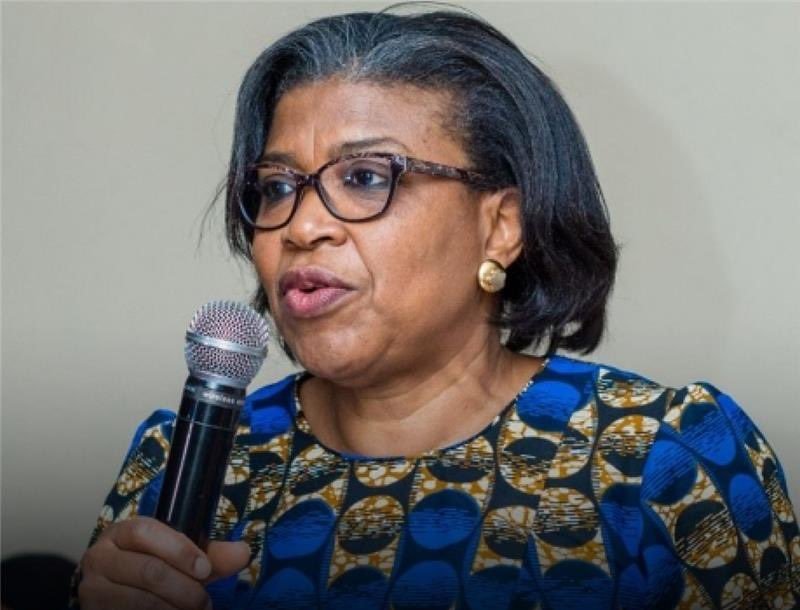
The Director-General of Nigeria’s Debt Management Office (DMO), Ms. Patience Oniha, has urged state governments to look beyond loans and embrace new ways of raising funds.
Speaking in Lagos at a one-day workshop on Borrowing Guidelines under the States Action on Business Enabling Reforms (SABER) programme, supported by the World Bank, she warned that heavy borrowing is not sustainable.
“Borrowing should not be the major way to source funds. You must up your revenues through increasing your tax revenues,” Oniha said.
She explained that Public-Private Partnerships (PPPs) could deliver the infrastructure Nigeria needs. “PPPs can help improve Nigeria’s economy by attracting private sector investment and expertise to develop infrastructure and deliver public services.”
According to her, such partnerships ease government’s financial burden, speed up project delivery, and often bring higher quality outcomes. They also create jobs, support local businesses, and drive innovation.
PPPs and Revenue Growth
The DG reminded state governments that tax revenues remain the backbone of their fiscal health. “Efficient tax collection increases government revenue without raising tax rates, ensuring more funds are available for public investment in health, education, and infrastructure.”
She noted that better compliance reduces corruption and leakages, making the tax system fairer and more predictable.
“Together, PPPs and efficient tax collection boost economic growth, enhance public services, and support sustainable development,” she said.
Oniha urged leaders to get creative. “Who says government must finance all the bridges and all the roads? Land can be its own equity. Equity doesn’t have to be in cash. If we focus on PPP and choose the right partners, not only will we get quality, there will be timely delivery. The loans will service themselves.”
She advised that states must ensure borrowed funds are prudently used and sustainable.
Learning From Debt Crises
Nigeria’s debt chief reminded participants of the country’s past debt struggles. “This nation has gone through debt crisis before. I am sure you are all aware. Today, we can talk about Ghana. We can talk about Argentina. We can talk about Zambia and even Sri Lanka.”
She said Nigeria escaped its last crisis in 2005 through debt relief and new laws on borrowing. Those laws, she added, remain in place to prevent a relapse.
The DG stressed that since Nigeria is rated as one economy with a single GDP, both federal and state governments must borrow responsibly. “We must avoid the situations we are seeing happening with other countries,” she said.
Lagos Plans Asset Securitisation
At the same event, Lagos Commissioner for Finance, Mr. Abayomi Oluyomi, disclosed that the state is moving to securitise some of its assets, both liquid and depreciating.
He blamed the sharp depreciation of the Naira for a huge increase in Lagos’ debt stock, especially external debt.
According to him, the exchange rate moved from about ₦400 to the dollar to over ₦1,600. That change, he said, ballooned the state’s debt even without new loans.
Oluyomi announced that Lagos will no longer take foreign loans, except concessional ones with repayment terms longer than 20 years.
What do you think — is the DMO right that states should lean more on PPPs than borrowing to fund development?
Rate, Like 👍, Comment💬, share this article and Follow us on our social media handles. You can also Submit your own story to get featured and earn rewards!

 WhatsApp Channel
 Telegram Channel