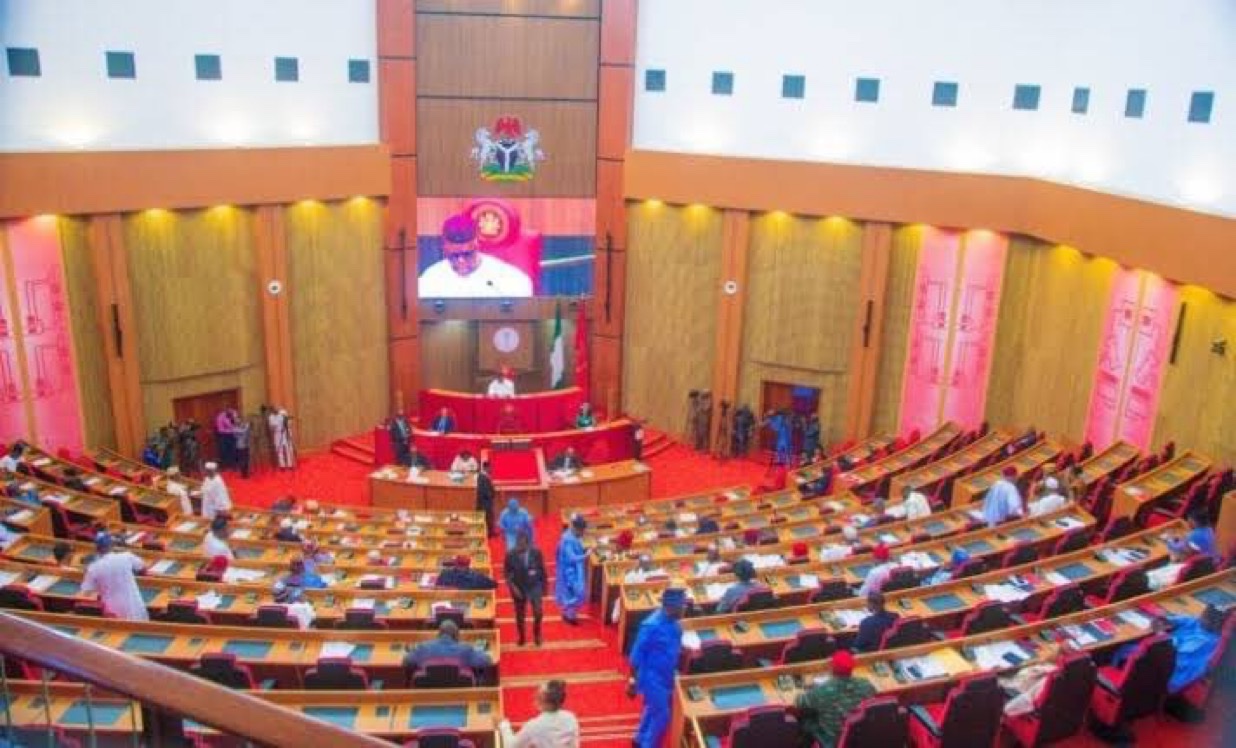




All 36 State Houses of Assembly have approved the proposed constitutional amendment to establish state police services, clearing a major legislative hurdle in Nigeria’s efforts to decentralise policing.
The Clerk to the National Assembly, Kamoru Ogunlana, confirmed this in a statement on Monday after completing the verification of approvals from the state legislatures.
He said the bill had satisfied the constitutional and administrative requirements for transmission to President Bola Tinubu.
The approval represents a significant increase from the 32 state assemblies reported to have endorsed the proposal the previous day.
Under Section 9(2) of the 1999 Constitution, a constitutional alteration requires approval from at least two-thirds of the 36 state assemblies. The latest confirmation means all 36 states have endorsed the proposal.
The National Assembly had earlier passed the bill before transmitting it to the state legislatures for consideration.
The Senate approved the proposal on June 24, 2026, while the House of Representatives passed it on July 23. The bill was subsequently sent to the state assemblies on September 16.
How the Proposed State Police System Would Work
The proposed legislation seeks to establish state-controlled police services alongside the existing Federal Police Service.
Under the arrangement described in the legislative proposal, state governments would establish and operate their own police formations to handle law enforcement, crime prevention and security challenges within their jurisdictions.
Governors would appoint state commissioners of police on the recommendation of the National Police Council. The appointments would require confirmation by the respective State Houses of Assembly.
The Federal Police Service would retain responsibilities for national security matters, while state police formations would operate within their designated jurisdictions.
The proposal is expected to create a constitutional framework for states to establish policing institutions that respond more directly to local security conditions.
However, the approval by the state assemblies does not mean state police operations have commenced.
The constitutional amendment must complete the remaining formal stages before the proposed arrangement can become operational.
What Happens Next?
Ogunlana said the National Assembly had completed the verification process and that the bill was ready for transmission to the President.
He explained that the legislative leadership had allowed a short delay to encourage wider engagement with the states and build consensus around the proposal.
Another online news media outlet, The PUNCH, reports that the bill could be presented to Tinubu as early as Friday.
The National Assembly Clerk also said the unanimous approval would provide a basis for sending other proposed constitutional alteration bills to the state assemblies for consideration.
The development comes amid continuing security challenges, including insurgency, banditry, kidnapping and communal violence across different parts of Nigeria.
 WhatsApp Channel
 Telegram Channel