




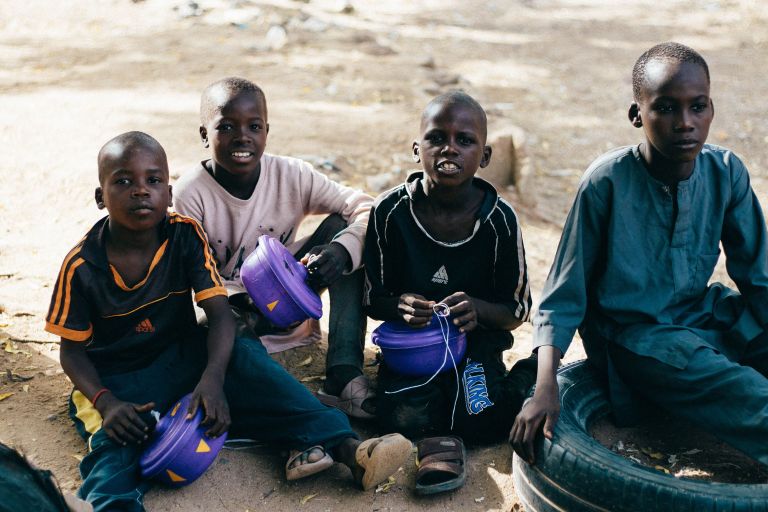
Northern Nigeria is facing its worst hunger crisis in nearly a decade, with the United Nations World Food Programme warning that 17 million people across nine conflict-hit states are now in severe need of food support.
The agency said the number of people facing crisis, emergency or catastrophic hunger has risen sharply, driven by violence, displacement and shrinking humanitarian funding.
The WFP said conflict has pushed farmers off their land and made it harder for aid workers to reach communities in need.
The situation is most severe in the lean season, when families have already used up their food stocks and must wait for the next harvest.
Borno State, the centre of the long-running insurgency in the northeast, has more than 3 million people facing acute food insecurity, including more than 750,000 in severe hunger conditions.
The agency said it can now support fewer than half of the 1.3 million people it assisted last year in three northeast states.
“When people lose access to food, the risks of displacement, exploitation and instability increase,” the WFP said.
It added that it needs $89 million over the next six months to continue food, nutrition and logistics support in northern Nigeria.
CISLAC Blames Governance Failures
The Civil Society Legislative Advocacy Centre, CISLAC, said the warning should be treated as a sign of deeper governance failure rather than just a humanitarian setback.
Its executive director, Auwal Musa Rafsanjani, said the crisis reflects years of insecurity, poverty, weak institutions and poor investment in people and rural communities.
He said attacks by insurgents and bandits have displaced farmers, disrupted agriculture and cut off aid access, while inflation, unemployment and low incomes have made the food crisis worse.
CISLAC called for more food assistance, stronger security in farming areas, better irrigation and rural investment, and tighter oversight to prevent diversion of aid.
It also asked the National Assembly to strengthen scrutiny of food security spending and security budgets.
“The current crisis should serve as a wake-up call. No nation can achieve peace, economic prosperity, or democratic stability while millions of its citizens suffer from hunger and malnutrition. Protecting Nigerians from hunger is not charity—it is a constitutional obligation and a fundamental measure of accountable governance,” CISLAC said.
Experts Want Emergency Action
A political scientist and lecturer at Nnamdi Azikiwe University, Dr Christian Okeke, said the Federal Government should declare a state of emergency on hunger.
He said insecurity, subsidy removal, inflation and unemployment have combined to weaken household buying power and deepen hardship across the country.
“The high index on hunger is expected and should be seen as a calamity deserving of a declaration of emergency to reduce it,” he said.
Okeke said Nigeria’s poor record on hunger targets should push leaders to act faster, especially with food production under pressure from violence and economic stress.
He added that the latest WFP report should not be ignored because it points to a crisis that could further damage national stability if left unchecked.

 WhatsApp Channel
 Telegram Channel