




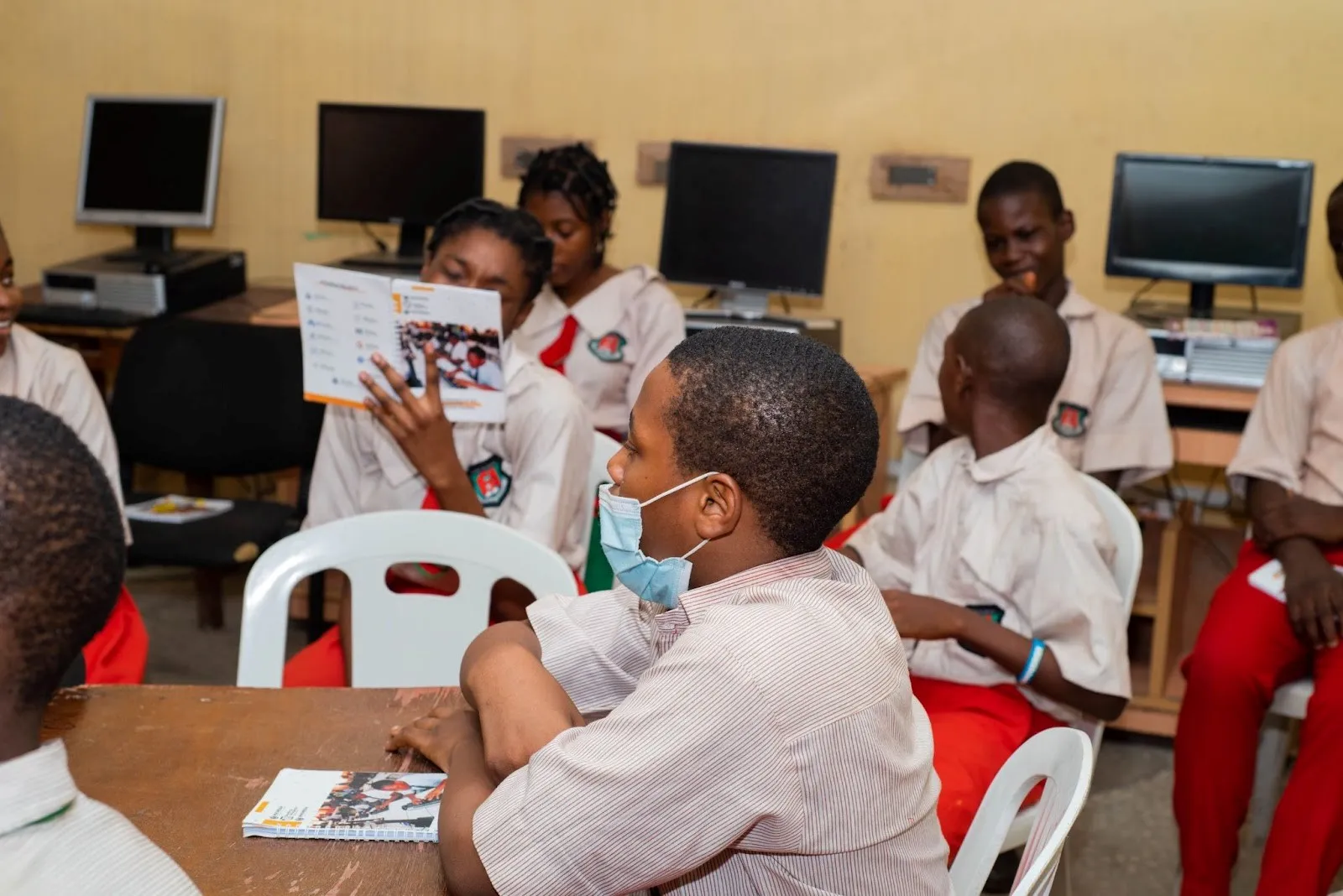
The Federal Government has rolled out strict new measures to combat drug and substance abuse in Nigerian secondary schools, including compulsory drug testing for students and temporary suspension for repeat offenders.
The policy is contained in the National Implementation Guidelines Against Drug and Substance Use in Schools in Nigeria, obtained by reporters on Sunday. It outlines a framework aimed at reducing substance abuse and creating safer learning environments nationwide.
According to the document, the policy seeks to “create a conducive environment for teaching and learning in the institutions by reducing the negative effect substance abuse has on the mental health and academic performance of students/learners.”
Under the new rules, all newly admitted students will undergo drug integrity tests at the point of entry. Schools must conduct periodic and impromptu tests at least once every academic session.
“All new students/learners shall be subjected to drug tests and other measures approved by the schools/learning centres at the point of entry,” the guideline states, adding that the process must be carried out “in collaboration with approved federal/state health facilities and procedures.”
Students are prohibited from using or possessing narcotics or controlled substances without authorisation. Those requiring medication for medical conditions must declare them through parents or guardians during admission.
Three-Stage Intervention Process
The guideline establishes a three-stage testing and intervention system. Students who fail the first test will undergo counselling and treatment.
“Persons found to be positive to drugs shall undergo the initial intervention and treatment, which shall include counselling,” it explains.
If a student tests positive a second time, they will be referred to professionals for specialised treatment. A third positive test may lead to temporary suspension for rehabilitation.
The policy also introduces mandatory pre-test and post-test counselling. “Pre-test counselling aims to prepare the individual, clarify expectations, reduce anxiety, encourage cooperation and build trust,” the document notes.
Post-test counselling is designed to help students accept results and connect them to appropriate support.
To enforce compliance, schools must establish disciplinary committees headed by administrators. Violent incidents linked to substance abuse will be reported to law enforcement.
Students who refuse treatment will be separated from the school environment until stable.
The measures come amid rising cases of drug abuse among adolescents, with stakeholders warning of its impact on academic performance, discipline, mental health, and school security.
While supporters believe the policy could curb substance abuse, critics are expected to question schools’ readiness, welfare protections, and the capacity of health facilities to implement the measures nationwide.

 WhatsApp Channel
 Telegram Channel